


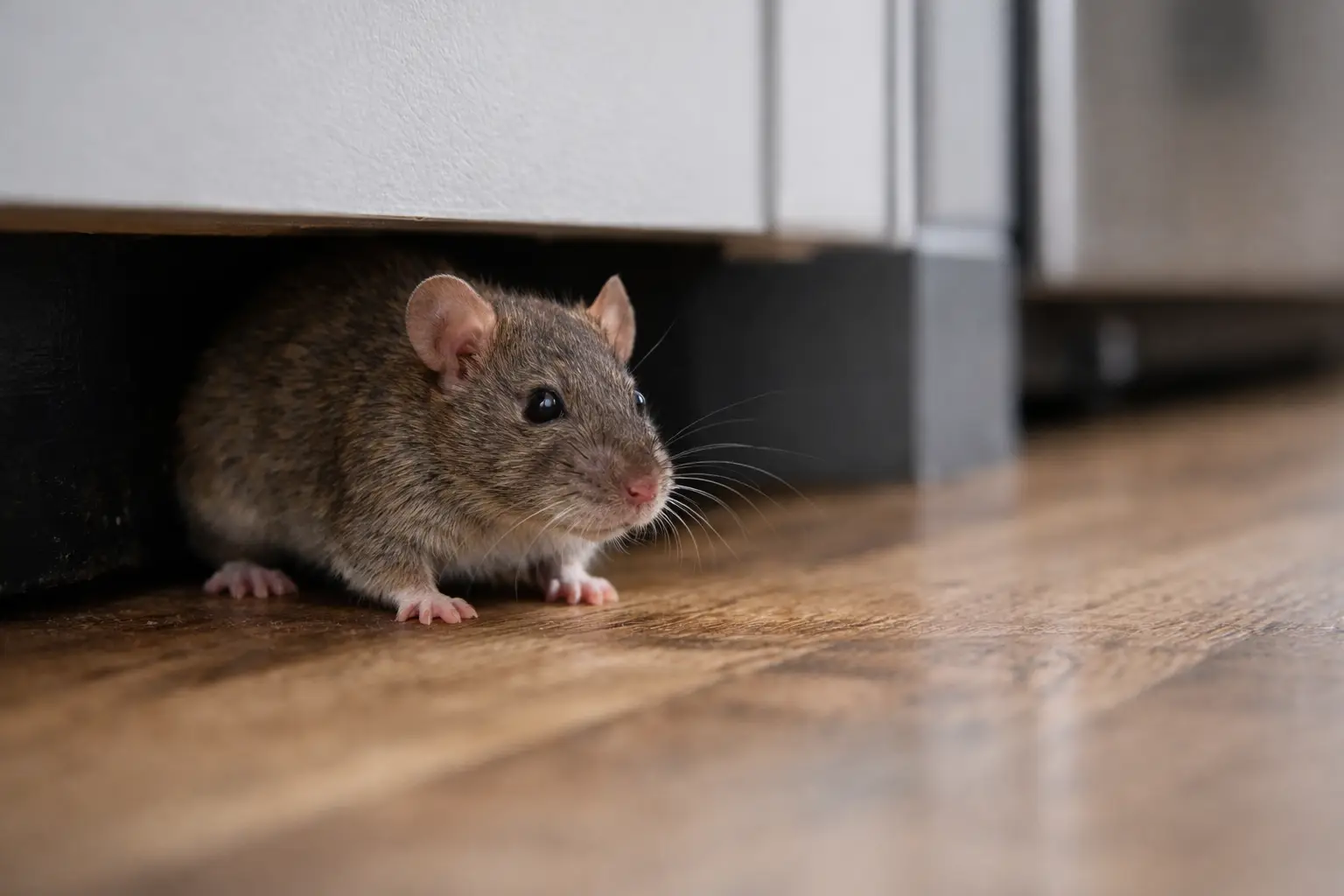
A rat problem rarely starts with a dramatic sighting. More often, it begins with scratching behind a wall, a few droppings near stored items, or a strange odor in a back-of-house area that does not go away. If you are trying to figure out how to keep rats out, the most effective approach is not a single product or quick fix. It is a combination of exclusion, sanitation, and early intervention that makes your property far less attractive to rodents in the first place.
Rats are persistent because they only need three things: food, water, and shelter. Once they find a reliable source of any of these, they tend to return. That is why prevention works best when you address the full picture rather than just reacting to activity after it appears.
Why rats get in so easily
Rats are built for access. They can squeeze through surprisingly small gaps, climb rough vertical surfaces, move along pipes and cables, and nest in hidden voids that most people never inspect. In homes, that may mean ceiling spaces, service ducts, kitchens, storage areas, and concealed gaps around utility lines. In commercial settings, especially food-related businesses, loading areas, waste zones, and drainage points are common weak spots.
The difficult part is that a clean-looking property can still support rodent activity. A single leaking pipe, uncovered pet food, cluttered stockroom, or damaged door sweep may be enough. This is where many DIY efforts fall short. People often focus on what they can see, while rats take advantage of what is easy to miss.
How to keep rats out with prevention, not guesswork
The first priority is sealing entry points. If rats can still get in, traps and bait only manage the symptom. Walk the perimeter of the property slowly and look at it from a rodent’s point of view. Gaps under doors, cracked vents, broken drain covers, openings around air-conditioning lines, and holes where cables enter walls all deserve attention. Even a small opening can become a repeated access route.
Use durable materials for proofing. Soft fillers alone are usually not enough because rodents can gnaw through weak materials over time. Metal mesh, proper sealants, and well-fitted door sweeps tend to perform better for long-term prevention. The right fix depends on the location. A kitchen service gap needs a different solution than an exterior wall penetration or a warehouse roller shutter edge.
Sanitation matters just as much as proofing. Rats stay where resources are easy to reach. Dry goods should be stored in sealed containers, not in thin packaging on low shelves. Trash needs tight-fitting lids and regular removal, especially in warmer conditions where odor builds quickly. Floor drains, grease traps, and waste collection points should be kept clean because even small residue can support recurring activity.
Water sources are often overlooked. Rats need regular hydration, and a slow leak under a sink or condensation around equipment can help sustain them. Check under cabinets, near water heaters, behind appliances, and around drainage lines. In commercial facilities, maintenance issues in utility rooms and wash areas can quietly support rodent movement for weeks before anyone notices.
Clutter reduction also makes a real difference. Dense storage gives rats cover and creates nesting opportunities. Cardboard, unused materials, fabric piles, and infrequently moved stock make inspection harder and control less effective. A tidy space is not just better visually. It is easier to monitor, easier to clean, and less forgiving to pests.
High-risk areas that deserve extra attention
Some parts of a property are simply more vulnerable than others. Kitchens and pantries are obvious examples because food odors travel and crumbs accumulate in places people do not always clean thoroughly. Behind refrigerators, under dishwashers, and inside cabinet voids are common problem spots.
Exterior areas also deserve close attention. Overgrown vegetation, stacked materials near walls, and poorly managed trash zones create shelter close to the building. When rats can nest outside and feed inside, infestations become much harder to break. Keeping vegetation trimmed and reducing items stored directly against the structure helps remove that protected transition zone.
For businesses, receiving areas and stockrooms are frequent pressure points. Deliveries can unintentionally introduce pest activity, while pallets, packaging, and dark storage sections create ideal harborage. In food and beverage settings, a single overlooked gap near a service entry or drain can quickly become a serious hygiene issue. For facilities managers, prevention is not just about comfort. It is also about protecting standards, operations, and reputation.
Warning signs you should not ignore
If you want to know how to keep rats out successfully, you also need to recognize when they may already be inside. Droppings are one of the clearest signs, especially near walls, food storage, or hidden corners. Gnaw marks on packaging, wiring, wood, or plastic are another warning sign. Grease marks along baseboards or pipes can indicate regular rodent travel routes.
Noise matters too. Scratching in ceilings or walls at night often points to active movement. So does nesting material such as shredded paper or insulation found in concealed areas. A persistent musky odor in enclosed spaces can also signal rodent presence, particularly when activity has been building unnoticed.
The trade-off with waiting is simple: small signs can turn into a larger infestation quickly. Rats reproduce fast, and the longer they stay established, the more complicated removal becomes. They also carry contamination risks that are especially serious around food handling, storage, and family living spaces.
DIY control has limits
There is a place for basic preventive action, but DIY rodent control often becomes frustrating when the source of the problem is not fully identified. A few traps may catch one or two rats, yet new activity continues because entry points remain open or the nesting site has not been addressed. In some cases, poorly placed bait or traps can even create safety concerns for children, pets, or staff.
Another challenge is misreading the pattern. Rodent activity is not always centered where you first notice it. Droppings in one room may be connected to a hidden route through another area entirely. Effective control depends on inspection, placement strategy, and knowing how rats move within the structure. That is where professional experience changes the outcome.
When professional rodent control is the better choice
If you are seeing repeated signs, hearing movement in hidden spaces, or managing a higher-risk environment such as a restaurant, office pantry, warehouse, or multi-unit property, professional support is often the safer and more efficient option. The goal should not only be to remove active rodents, but to prevent the next cycle.
A proper rodent control program starts with inspection. That means identifying likely entry routes, nesting zones, attractants, and structural vulnerabilities. Treatment should then match the property, the severity of the problem, and the people using the space. In a family home, safety and minimal disruption are key. In a commercial site, documentation, hygiene protection, and long-term prevention usually matter just as much as immediate knockdown.
This is why experienced providers focus on tailored solutions rather than one-off treatments. The most reliable results come from combining monitoring, proofing recommendations, targeted control methods, and follow-up where needed. Servcare takes this prevention-first approach because lasting protection depends on more than just reducing visible activity.
Keeping rats out over the long term
Rodent prevention is not something you do once and forget. Buildings change over time. Door seals wear down, repairs create new gaps, storage patterns shift, and waste areas become harder to manage during busy periods. A property that was secure six months ago may no longer be secure today.
The best long-term habit is scheduled inspection. Check exterior access points, plumbing penetrations, storage areas, and low-visibility corners regularly. Make sure sanitation standards stay consistent, especially in areas where food is handled or consumed. If you manage a business, train staff to report early warning signs rather than waiting until the problem becomes obvious.
There is no single trick that explains how to keep rats out permanently. What works is consistency. Seal what they can use, remove what attracts them, and act early when signs appear. That approach protects more than the building itself. It helps protect health, hygiene, comfort, and peace of mind.
A quiet property is easy to take for granted, but that quiet usually comes from good prevention. When rodent risks are handled early and properly, you spend less time reacting and more time feeling confident in the space you manage.