


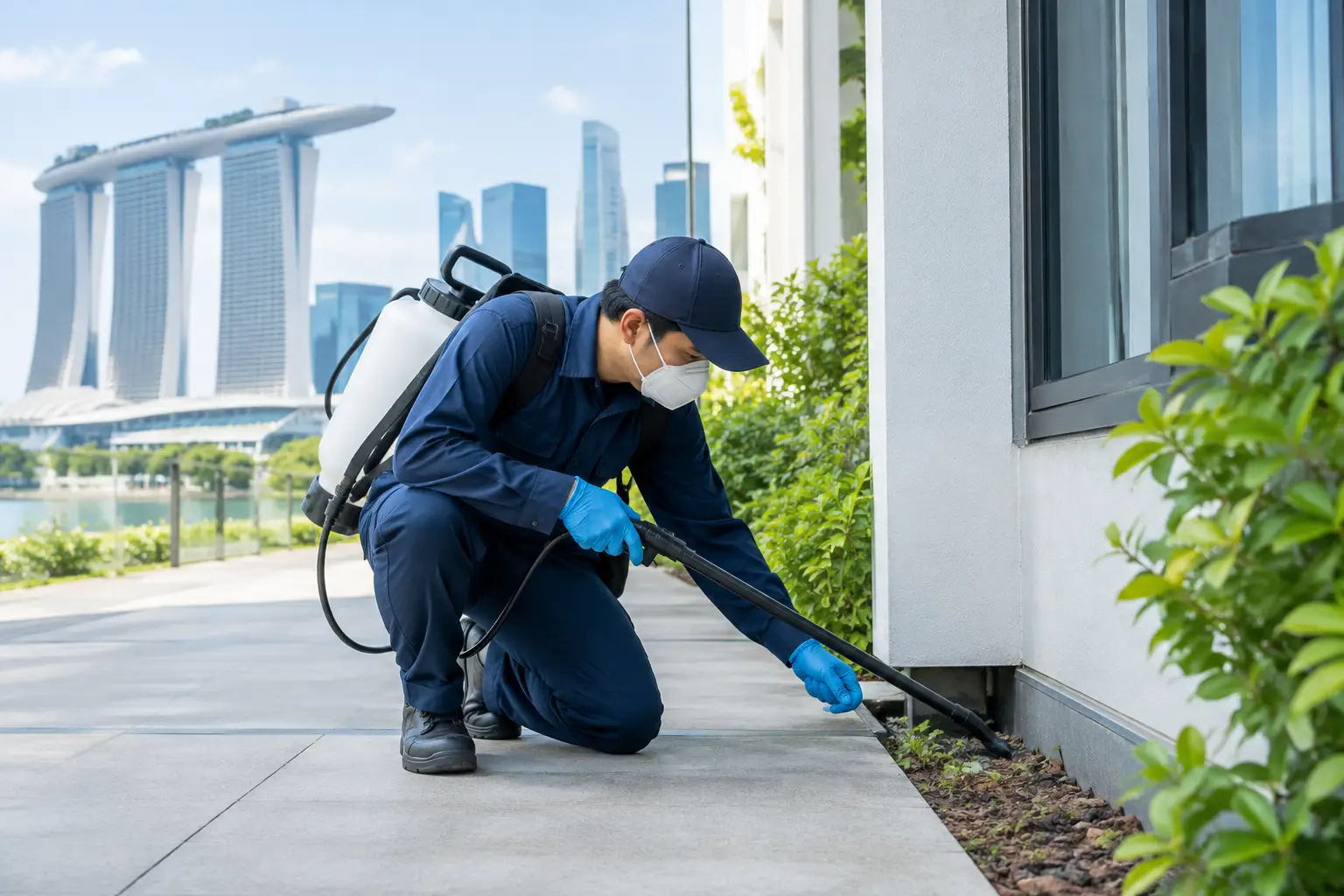
A cockroach sighting in a kitchen, rat droppings near a loading bay, or stagnant water around a property can quickly become more than an operational nuisance. Singapore pest regulations place responsibility on owners, occupiers, and businesses to maintain sanitary premises, prevent pest breeding, and address conditions that create public health risks. For households, the priority is protecting the people and property inside. For commercial premises, pest control also affects food safety, customer confidence, and business continuity.
The practical lesson is simple: do not wait for a visible infestation to become severe. Consistent housekeeping, early inspections, and qualified pest management help property stakeholders meet their responsibilities while avoiding unnecessary disruption.
What Singapore Pest Regulations Mean in Practice
Pest-related duties in Singapore sit across public health, environmental health, vector control, food hygiene, and workplace requirements. The National Environment Agency, or NEA, plays a central role in managing vector-borne disease risks and regulating relevant pest control activities. The Singapore Food Agency also has food hygiene expectations that matter to food establishments.
The rules are not limited to one pest or one type of building. They can apply to a landed home with mosquito breeding potential, a condominium with a rodent issue in common areas, a restaurant with cockroach activity, or a warehouse where pests can contaminate stored goods. The details depend on the premises, the pest risk, and the condition found during inspection.
A property owner may be expected to rectify pest-conducive conditions even if the immediate issue appears to originate nearby. In multi-tenant buildings, responsibilities can also be shared between landlords, managing agents, tenants, and contractors. Clear agreements help, but they do not replace the need to keep the premises hygienic and free from conditions that attract or harbor pests.
Prevention Is a Regulatory and Safety Duty
Most pest problems begin with a condition that can be corrected: an accessible food source, a water leak, poor waste storage, an unsealed entry point, or an overlooked drainage area. Effective prevention is therefore not just a good operational habit. It is the foundation of compliance.
For rodent control, this means keeping refuse areas clean, using covered bins, removing clutter, and closing gaps around pipes, doors, and utility penetrations. Rodents can enter through surprisingly small openings and may contaminate food, packaging, and work surfaces. A treatment program can reduce active activity, but it will not provide lasting protection if food and shelter remain readily available.
Cockroach control relies on a similarly disciplined approach. Grease buildup, crumbs under equipment, damp voids, and gaps behind cabinets can support recurring activity. In F&B settings, cleaning schedules should reach beneath cooking equipment, inside service risers, and around floor traps. Monitoring devices and professional inspections can reveal activity before it becomes obvious to staff or customers.
Mosquito prevention requires attention to standing water. Containers, roof gutters, drains, plant trays, tarpaulins, and construction materials can all collect water if not managed properly. Regular checks are especially important after rain. Where mosquito breeding is detected, swift corrective action is essential because the risk extends beyond the property boundary.
Subterranean termites require a different mindset. They are not generally associated with poor housekeeping, but moisture issues, untreated soil conditions, timber in contact with the ground, and concealed entry routes can increase risk. Early inspection is valuable because termite damage may progress behind walls, flooring, or built-in fixtures before it is visible.
Pest Control Providers Must Be Properly Qualified
When treatment is necessary, selecting the right provider matters. Certain vector control and pesticide-related work is regulated, and pest control personnel must meet applicable licensing requirements for the services they perform. This is particularly important where pesticides, baiting systems, fogging, or other specialized control methods are involved.
A professional provider should begin with inspection, identification, and a clear explanation of the proposed treatment. The right solution depends on the species, extent of activity, building layout, people using the premises, and any sensitive areas such as food preparation zones, childcare environments, or places with pets.
Property managers and business operators should expect clarity on the treatment scope, safety precautions, follow-up timing, and actions required from occupants or staff. A one-off spray may appear convenient, but it can be a poor choice when the underlying issue is a structural gap, poor sanitation, or a breeding source that remains in place.
At Servcare, pest management is approached as a prevention-led process: inspect the condition, control the active problem, and reduce the factors that allow it to return. This approach supports safer treatment decisions and provides a more dependable path to long-term protection.
Documentation Matters for Commercial Premises
For offices, retail sites, industrial facilities, and especially F&B operations, pest control records should be treated as part of routine site management. Documentation demonstrates that risks are being monitored and addressed rather than ignored until an inspection or complaint occurs.
A useful pest management file typically includes service reports, pest sighting records, monitoring results, treatment details, corrective actions, and follow-up recommendations. Floor plans that show monitoring points, bait stations, or trap locations can also help staff and facility managers maintain consistency when teams change.
The value of these records is not simply administrative. They make recurring patterns easier to identify. If cockroach activity repeatedly appears near one utility riser, for example, the solution may require repair work or coordination with building management, not repeated treatment in the same area. If rodent activity increases near a waste room, collection schedules, bin conditions, and access points may need review.
Food businesses should be especially careful about evidence of pest activity, contamination risks, and sanitation lapses. Pest control must work alongside cleaning, stock rotation, waste handling, and maintenance. It cannot compensate for weak hygiene procedures.
Construction Sites and Shared Properties Need Extra Attention
Construction and renovation can create short-term pest risks that require close supervision. Open drains, pooled water, material storage, temporary worker areas, and changes to drainage can create favorable conditions for mosquitoes, rodents, and cockroaches. Site teams should assign responsibility for regular inspections and correction of identified issues.
In condominiums, malls, office towers, and industrial estates, pest management often succeeds or fails at the shared-area level. A unit may be clean, yet pests can travel through service ducts, false ceilings, drainage systems, loading bays, and refuse chambers. Managing agents, tenants, and owners should communicate quickly when activity is found so that treatment can cover the true source and travel routes.
This is where a coordinated plan is more effective than isolated callouts. Common-area treatment, targeted inspections, waste management controls, and tenant education can reduce the likelihood of pests moving from one space to another.
A Practical Response When You Find Pest Activity
When pests are discovered, first remove immediate attractants and protect exposed food, goods, or sensitive areas. Record what was observed, including the location, time, and type of evidence. Photographs can be useful, particularly for recurring issues or areas that need repair.
Next, arrange a professional inspection when there is repeated activity, signs of nesting or breeding, property damage, or a possible hygiene risk. Avoid using multiple uncoordinated products before assessment. Improper pesticide use can create safety concerns, drive pests into hidden areas, or make it harder to understand where activity is originating.
After treatment, follow the recommended corrective actions. These may include sealing entry points, repairing leaks, improving cleaning access, changing storage practices, or increasing inspection frequency. The treatment addresses the active pest pressure; prevention work determines whether the result lasts.
Keep Compliance Focused on Prevention
Singapore pest regulations are best understood as a practical expectation: maintain premises that do not create avoidable pest, breeding, or contamination risks. The exact requirements vary by setting, so businesses should seek current guidance when operating regulated facilities or responding to an authority notice. For every property, however, the most reliable protection comes from acting early, keeping accurate records where needed, and addressing the conditions pests depend on.
A clean, well-maintained property is easier to protect, easier to manage, and far less likely to face the stress of a preventable infestation.