

When you spot a cockroach in the kitchen at night or hear scratching behind a wall, the first concern is usually the pest itself. The second is just as important – how to solve the problem without creating new risks for your family, pets, or home environment. That is why safe pest control for homes is not about spraying less. It is about treating the right problem with the right method, in the right place, with the right level of care.
For many homeowners, safety and effectiveness can seem like competing priorities. They are not. A well-managed pest control program should reduce exposure concerns while also solving the root cause of the infestation. That takes inspection, pest-specific treatment, and practical prevention that keeps the issue from returning.
What safe pest control for homes really means
Safe pest control starts with accurate identification. Roaches, rodents, mosquitoes, and termites do not behave the same way, and they should never be handled with the same one-size-fits-all treatment. When pest control is too generic, it often leads to overapplication, poor results, and repeat outbreaks.
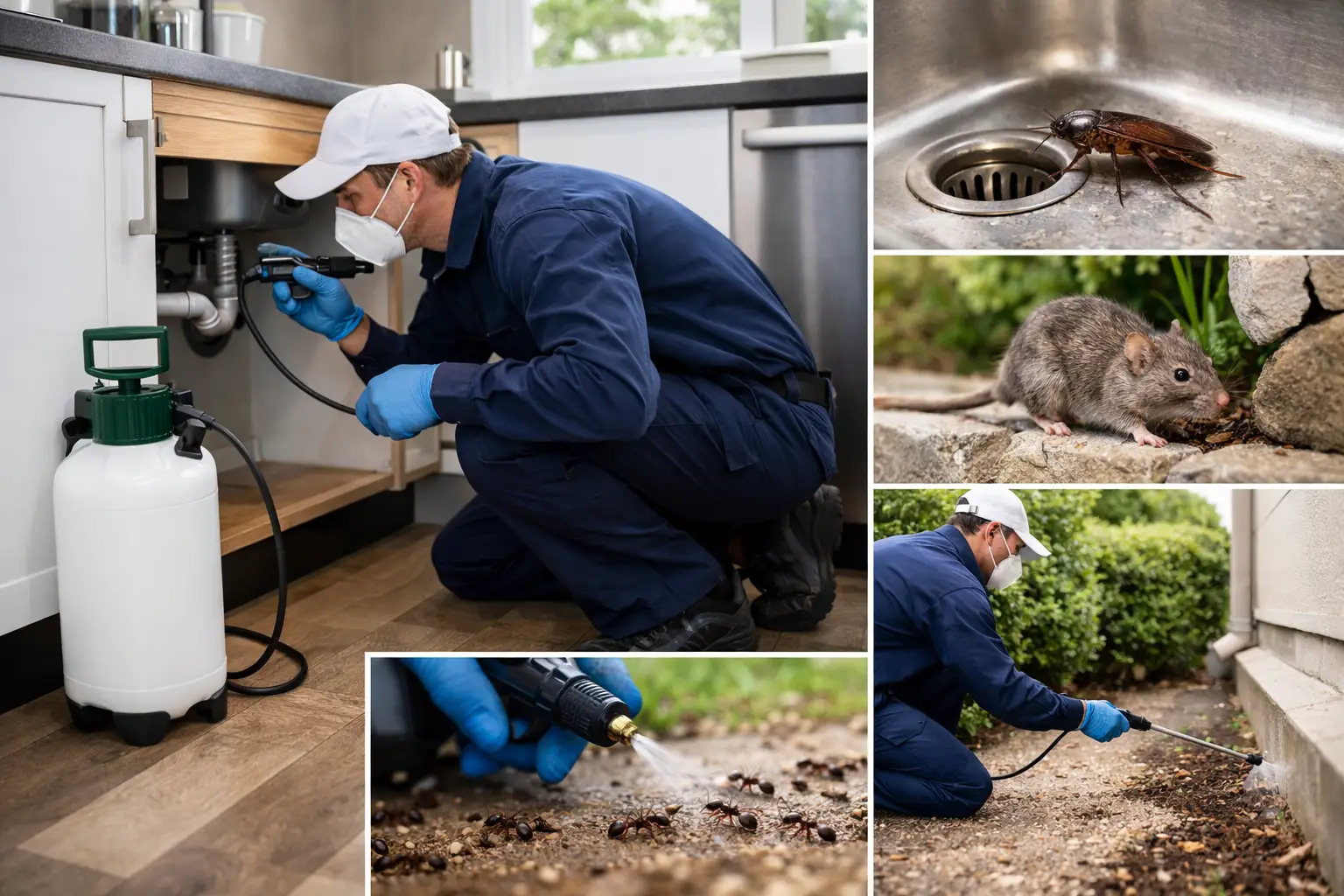
A safer approach is targeted. Instead of relying on broad, unnecessary chemical use, professional pest management focuses on where pests hide, breed, feed, and enter. That may include crack and crevice treatment for cockroaches, baiting strategies for rodents, source reduction for mosquitoes, or localized trenching and barrier work for subterranean termites. The goal is precision, not excess.
This is also where professional standards matter. Licensed technicians, modern treatment methods, and clear service procedures make a difference because they reduce guesswork. Homeowners are not just paying for a product. They are paying for judgment, technical skill, and a treatment plan that balances safety with real control.
Why DIY often feels safer than it is
It is understandable that some homeowners reach for store-bought sprays or traps first. They are convenient, widely available, and seem less intensive than a professional visit. But convenience is not the same as safety, and it is certainly not the same as long-term protection.
DIY treatment often fails for one simple reason: it treats what is visible, not what is established. A few dead cockroaches on the floor may look like progress, while the nesting areas behind cabinets remain active. A rodent trap may catch one rat, while entry points and food sources continue to support more activity. The result is repeated use of products without a clear plan.
There is also the issue of misuse. Applying too much product, mixing products, treating the wrong surfaces, or placing bait where children or pets can access it can create unnecessary risk. In homes with infants, elderly family members, sensitive individuals, or pets, those decisions matter even more.
Professional pest control is not safer simply because it is done by a company. It is safer when it is done systematically, with inspection-led decisions and clear instructions for occupants before and after treatment.
The safest approach depends on the pest
Different pests create different risks, so the best treatment approach depends on the infestation itself.
Cockroach control
Cockroaches are not just unpleasant. They are a hygiene concern, especially in kitchens, pantries, and waste areas. Safer cockroach control usually avoids excessive open-area spraying. Instead, it relies on inspection, targeted application in harborages, and advice on moisture, food storage, and sanitation. That combination matters because roaches thrive where small leaks, crumbs, and hidden shelter come together.
Rodent control
With rodents, safety is about both disease prevention and placement strategy. Rodent activity can contaminate surfaces, damage wiring, and create ongoing stress in the home. But control methods must be managed carefully. Tamper-resistant baiting systems, strategic trap placement, and entry-point identification are far safer and more effective than random bait placement. If the access route is not addressed, removal alone becomes a temporary fix.
Mosquito control
Mosquitoes are often treated too late, after adults have already become a daily nuisance. Safer mosquito control focuses heavily on breeding reduction. That means identifying standing water, drainage issues, and outdoor conditions that support mosquito development. Adult treatment may still be needed, but prevention is what lowers reliance on repeated chemical application.
Subterranean termite control
Termites require a different level of attention because the damage is often hidden until it becomes costly. Safe termite control is not passive. It involves careful inspection, understanding structural vulnerability, and using approved treatment systems that create a protective barrier or target the colony effectively. Waiting and watching may seem less invasive, but it can be the riskier choice when structural integrity is involved.
What to look for in a safe home pest control provider
Not every pest control service follows the same standards. If safety is a priority, homeowners should look beyond price and ask how the work will actually be carried out.
A dependable provider should begin with inspection, not assumptions. They should explain what pest is present, why it is active, and what treatment approach fits the situation. They should also be able to explain precautions clearly, including what residents need to do before treatment, whether temporary distancing from treated areas is needed, and how to support long-term prevention afterward.
Credentials matter as well. Licensing, technical training, and access to professional-grade methods all support safer outcomes. Experience matters too, especially with persistent urban pests that can quickly spread through kitchens, service areas, wall voids, drainage lines, and concealed structural spaces.
The strongest providers also avoid making pest control sound like a one-visit miracle. In many cases, proper control requires follow-up, monitoring, and adjustments. That is not a weakness in the service model. It is a sign that the provider is focused on durable results rather than quick promises.
How homeowners can support safer pest control
Even the best treatment plan works better when the home environment supports it. Prevention is not about turning the homeowner into the pest expert. It is about reducing the conditions that make reinfestation easier.
Food should be sealed properly, especially dry goods and pet food. Waste should be contained and removed regularly. Leaks under sinks, around washing areas, or near water heaters should be fixed promptly. Clutter should be reduced where possible, especially in storage zones that create undisturbed shelter.
Outdoors, small changes can help too. Clear drainage issues, remove standing water, trim dense vegetation near entry points, and keep external areas tidy. These are simple actions, but they support a more targeted and lower-risk pest control strategy indoors.
There is also value in acting early. A minor pest issue is usually easier to resolve with less disruption than a full infestation. Waiting until sightings become frequent often means more extensive treatment is needed.
Safe pest control for homes is really about control with judgment
The safest pest control plan is not always the lightest treatment, and it is not always the strongest treatment. It is the most appropriate one. That distinction matters because every home is different. A landed property with termite risk, a high-rise unit with recurring cockroaches, and a family home with children and pets will not all need the same approach.
This is where experienced professional support becomes valuable. A company like Servcare approaches home pest control as a protection service, not just a treatment visit. That means identifying the threat, managing it with care, and putting practical prevention in place so the home stays protected after the immediate issue is addressed.
If you are weighing safety against effectiveness, the better question is not which one to choose. It is whether your pest control plan is precise enough to deliver both. Peace of mind comes from knowing the problem is being handled properly, with methods that respect both your household and your home.