

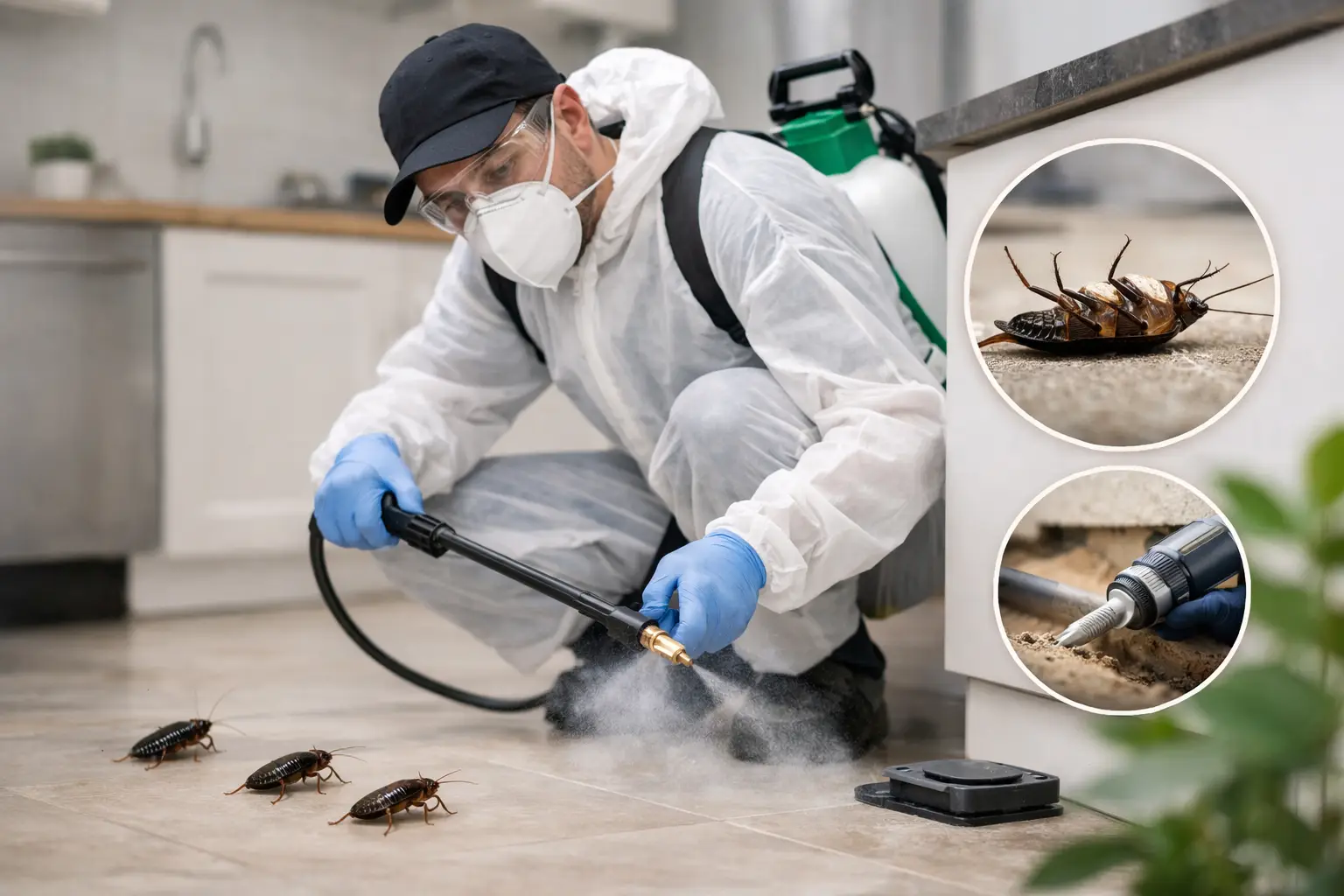
Seeing one cockroach in the kitchen at night is unpleasant. Seeing another the next day usually means the problem is already larger than it looks. Effective cockroach infestation treatment is not about chasing visible insects with a spray can. It is about finding where they are hiding, what is sustaining them, and how to stop the infestation without creating unnecessary risk for people, food, or daily operations.
Cockroaches are persistent because they are well adapted to indoor environments. They hide in narrow cracks, feed on tiny traces of food and moisture, and reproduce quickly when conditions are favorable. In homes, that creates stress and hygiene concerns. In commercial spaces, especially food handling environments, it can affect compliance, reputation, and business continuity.
Why cockroach infestations keep coming back
A recurring infestation usually points to an incomplete treatment approach. Many people focus on the roaches they can see, but visible activity is only part of the picture. The larger issue is often the hidden population behind cabinets, inside wall voids, below sinks, around floor traps, and near warm equipment.
Cockroaches thrive where three things are available: shelter, water, and food residue. Even clean properties can have enough of all three in the right places. Grease behind appliances, condensation around pipes, cluttered storage, and unsealed entry points all make a site more attractive. That is why short-term knockdown products may reduce sightings for a few days while the core infestation remains active.
German cockroaches are a common example of this problem. They breed quickly and prefer indoor environments close to warmth and moisture. A light infestation can become a serious one in a short period if treatment is delayed or limited to surface spraying.
What effective cockroach infestation treatment should include
Professional treatment starts with inspection, not product application. Without understanding the extent of infestation, harborage zones, species involved, and contributing conditions, treatment becomes guesswork.
A proper inspection looks at more than the obvious kitchen floor. It should cover cabinet hinges, false ceilings where relevant, utility penetrations, storage areas, dishwashing zones, pantry shelving, refuse areas, and equipment bases. In commercial premises, workflow and sanitation practices also matter because they can influence how quickly an infestation spreads.
Once the activity pattern is clear, treatment should be targeted. This often means using a combination of control methods rather than relying on a single spray. Gel baits, residual treatments, dust applications in suitable voids, and monitoring tools may all have a role depending on the site. The goal is not simply to flush pests out. The goal is to reduce the active population, disrupt breeding, and keep pressure on hidden harborages.
This is also where safety standards matter. In occupied homes, offices, and food-related environments, treatment needs to be carefully selected and professionally applied. A broad, excessive application is not better just because it looks more aggressive. In many cases, precise placement and species-specific strategy produce better results with less disruption.
DIY control vs professional treatment
DIY products can help with isolated sightings, but they often fall short once there is an established infestation. That does not mean every single cockroach sighting requires a major intervention. It does mean that recurring activity, daytime sightings, or signs in multiple rooms usually call for a more structured response.
The main limitation of DIY treatment is access to the real infestation zones. Most people treat exposed surfaces, but cockroaches prefer protected, hard-to-reach spaces. Store-bought sprays may also scatter roaches temporarily, pushing them deeper into wall gaps or adjacent rooms. That can make the problem seem better for a short period and worse later.
Professional pest control brings a different level of accuracy. Inspection identifies the source, treatment is selected for the environment, and follow-up can be planned based on infestation severity. For homes, that means safer and more dependable results. For businesses, it means a treatment program that supports hygiene standards and operational needs instead of interrupting them unnecessarily.
Signs you need cockroach infestation treatment now
Not every infestation looks dramatic at first. In fact, early-stage problems are often missed because cockroaches are nocturnal and highly secretive. If you are seeing them during the day, that can suggest population pressure is already high enough to force movement out of hiding.
Other warning signs include droppings that look like dark specks, egg cases, a stale or musty odor in severe infestations, smear marks near wall edges, and repeated activity around sinks, drains, or food storage areas. In commercial settings, sightings near service counters, back-of-house preparation areas, or receiving zones should be taken seriously right away.
It also matters how often the issue returns. If you have cleaned thoroughly, sealed food, and used basic control products but still see activity, there is usually a deeper infestation or breeding source that has not been addressed.
How treatment differs for homes and businesses
The principles are similar, but the execution is different.
In homes, treatment usually focuses on kitchens, bathrooms, utility areas, built-in cabinetry, and shared service lines in multi-unit properties. Family safety, pet safety, and low-disruption application are key concerns. The best approach is typically one that is targeted, measured, and paired with practical prevention advice.
In commercial properties, the stakes are higher because infestation can affect staff confidence, customer perception, and regulatory expectations. Restaurants and food businesses may need tighter monitoring around preparation zones, waste handling, grease management, and delivery areas. Offices may have issues linked to pantries, break rooms, false flooring, or shared building infrastructure. Industrial sites can face more complex conditions, including large storage areas, moisture points, and hidden voids.
That is why treatment plans should be site-specific. A generic pest control visit may reduce visible activity, but long-term control usually depends on matching the strategy to the property layout, usage pattern, and infestation pressure.
Prevention is part of the treatment
A good treatment program does not end when the first application is complete. Cockroach control is strongest when active treatment and prevention work together.
Sanitation matters, but it should be realistic. Most infestations are not caused by poor housekeeping alone. Still, reducing grease residue, crumbs, spills, and standing water lowers the chance of reinfestation. Maintenance is just as important. Leaking pipes, loose seals around conduits, damaged cabinets, and gaps near drains all give cockroaches an advantage.
Clutter reduction can also make a big difference, especially in storage rooms, under sinks, and behind appliances. The more protected spaces available, the harder it is to achieve full control. In multi-occupancy buildings, coordinated management may be necessary because infestations can move between units through service routes and structural gaps.
For many properties, follow-up service is what separates temporary relief from lasting control. Monitoring after initial treatment helps confirm whether the population is collapsing as expected or whether hidden activity remains. If necessary, treatment can then be adjusted before the infestation rebuilds.
Choosing a cockroach control provider
When you are comparing providers, the right question is not just how fast they can spray. It is how thoroughly they assess the problem and how they plan to prevent it from returning.
Look for a company that emphasizes inspection, tailored treatment, and long-term prevention rather than one-size-fits-all application. Experience matters, but so do technical standards, product knowledge, and the ability to work safely in occupied spaces. This is especially important for food businesses, family homes, and facilities that need dependable service with minimal disruption.
A professional provider should also explain what to expect. That includes likely treatment stages, preparation requirements if any, realistic timelines, and the role of sanitation and maintenance after service. Reliable pest management is not about overpromising immediate perfection. It is about applying the right methods, tracking results, and reducing the conditions that allow cockroaches to return.
At Servcare, that means approaching cockroach control as a full infestation management issue, not a surface-level nuisance. With the right inspection, targeted treatment, and prevention plan, the problem can be brought under control in a way that protects hygiene, comfort, and peace of mind.
If cockroach activity has become recurring, treat that as useful information. It usually means the infestation is established enough to need a more precise response, and the sooner that starts, the easier it is to regain control.