


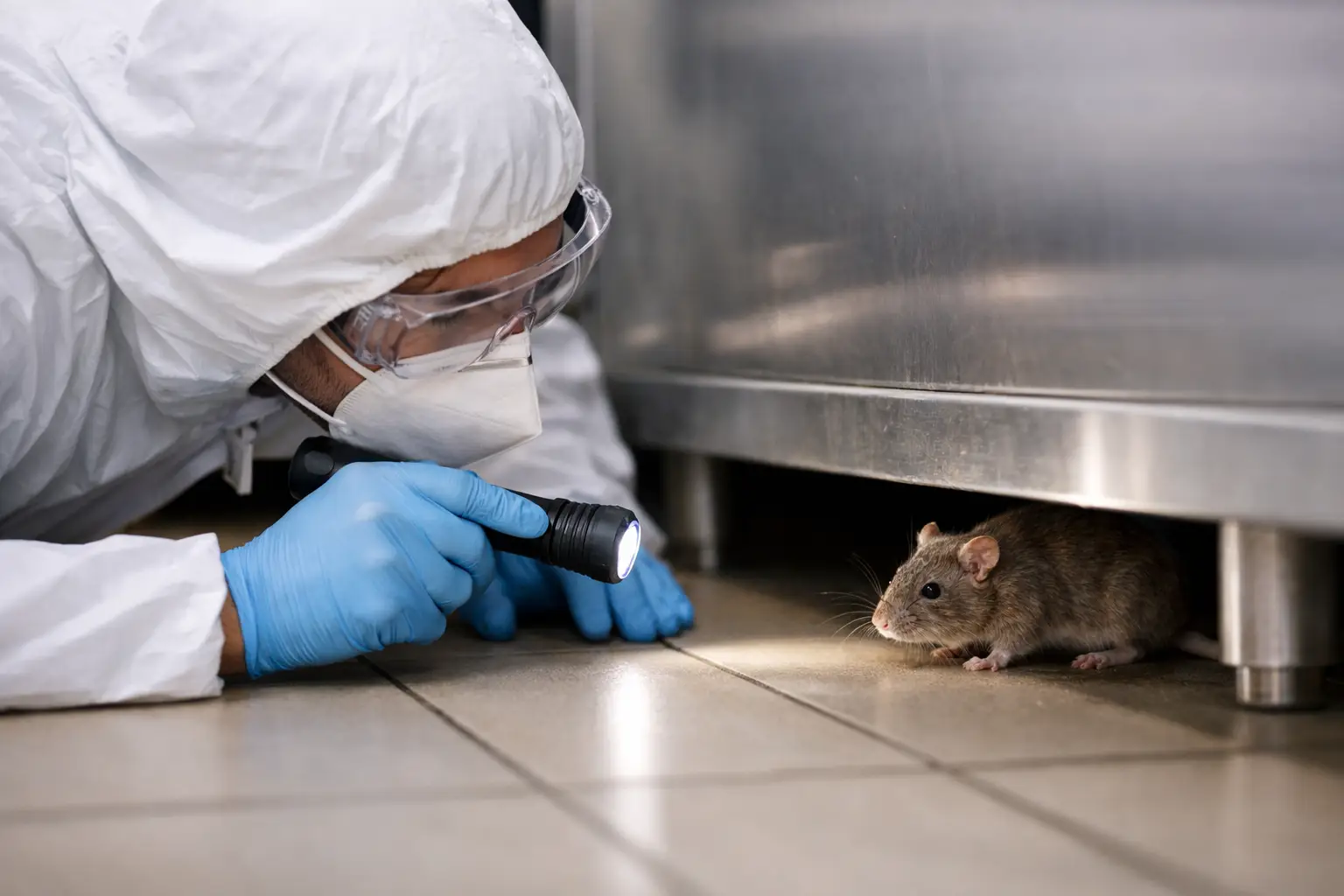
A single rodent sighting during service can undo years of hard work. For restaurants, the problem is never just the pest itself. It is the contamination risk, the damage to stock and equipment, the staff disruption, and the reputational hit that follows. Effective rodent control for restaurants has to address all of that at once, with a focus on hygiene, compliance, and long-term prevention.
Rats and mice are highly adaptable in food environments. They follow heat, water, shelter, and easy food access, which means even well-run premises can become vulnerable if there are small gaps in cleaning routines, storage practices, or building maintenance. The challenge is that rodents are rarely active only in the open. By the time droppings appear near dry goods, grease traps, false ceilings, or back-of-house storage, activity may already be established behind walls or in hidden service voids.
Why rodent control for restaurants needs a different standard
A restaurant is not like a typical commercial space. There is frequent food handling, constant deliveries, waste generation, and regular movement of staff, customers, and suppliers. That creates more opportunities for rodents to enter, feed, and nest. It also narrows the margin for error. In an office, a pest issue is disruptive. In a restaurant, it can affect food safety standards, inspections, and customer confidence almost immediately.
This is why one-off treatments rarely solve the full problem. A few traps may reduce visible activity, but if the access points remain open or food debris continues to build under heavy equipment, the infestation is likely to return. The better approach is structured pest management that starts with inspection, identifies why the activity is happening, and then combines treatment with practical prevention.
Rodent pressure can also vary depending on the site. A ground-floor eatery near shared waste areas may face a different risk level than a restaurant inside a mall or mixed-use building. Late-night operations, open drainage, cluttered storerooms, and neighboring units with poor sanitation can all influence results. That is why a tailored plan matters more than a generic checklist.
Early warning signs restaurant teams should not ignore
Rodent activity often starts quietly. Staff may notice scratching sounds after closing, damaged packaging, droppings behind shelving, or a stale musky odor in enclosed areas. Grease marks along walls, gnawed electrical insulation, and disturbed stock are also common warning signs.
The difficulty is that these signs are easy to dismiss during busy shifts. A torn box may be blamed on handling. A small amount of droppings may be cleaned up without escalation. But in food businesses, delay is expensive. Rodents reproduce quickly, and hidden harborages can support more activity than front-line staff realize.
Managers should also pay attention to patterns. If sightings happen near receiving areas, exterior doors, dishwashing sections, or storage rooms, that usually points to a route or resource problem rather than an isolated incident. Recognizing those patterns early helps reduce the scale of treatment later.
What drives infestations in food premises
Most restaurant infestations come down to access, food, water, and shelter. Rodents can enter through surprisingly small openings around pipes, utility penetrations, delivery doors, damaged drains, and gaps under doors. Once inside, they look for quiet areas with low disturbance. Ceiling voids, under-counter cavities, storage racks, and cluttered service zones are common nesting sites.
Food sources do not have to be obvious. Crumbs beneath equipment, unsealed ingredients, residue around bins, and grease buildup can be enough to sustain activity. Water is just as important. Leaking pipes, condensation, wet mops, and poorly maintained washing areas can support rodents even when food storage is relatively well managed.
This is also where trade-offs come in. Restaurants need speed and efficiency, especially during prep and service, but shortcuts can create openings. Propping doors open for ventilation or deliveries may help workflow, but it also invites pests. Bulk storage improves purchasing efficiency, but if stock rotation and sealing are inconsistent, it increases risk.
A practical approach to rodent control for restaurants
The most effective rodent control for restaurants starts with a professional site assessment. The goal is not only to confirm activity, but to map out entry points, nesting zones, and attractants. Without that, treatment can become reactive instead of strategic.
A sound program typically includes monitoring devices, targeted trapping or baiting where appropriate, and exclusion work to close entry routes. In restaurant settings, treatment methods must also consider safety, food handling regulations, and operational disruption. Placement matters. So does documentation. A professionally managed program should make it clear what was found, what was done, and what corrective actions the restaurant team needs to take.
Exclusion is often the most overlooked part of control. If a rodent can still enter through a pipe gap or damaged door sweep, population reduction alone will not hold. Sealing structural openings, improving door fit, screening service penetrations, and addressing drainage vulnerabilities often make the biggest difference over time.
Sanitation support is equally important, but it should be realistic. Restaurant staff do not need vague advice to “clean better.” They need specific guidance such as pulling out equipment on a workable schedule, storing dry goods in sealed containers, managing bin overflow, and reducing clutter in low-visibility areas. The more precise the recommendations, the easier they are to maintain.
Why professional treatment is safer than improvised fixes
When rodents appear, some operators respond with retail traps and quick internal fixes. That may feel faster in the moment, but it often leaves blind spots. Rodents are cautious, and poor trap placement can waste time without reducing the real source of activity. Inappropriate use of rodenticides in food premises also creates unnecessary risk.
Professional pest management is different because it is built around inspection, controlled application, and follow-through. Licensed technicians understand how rodents move within commercial environments, where hidden activity is likely to occur, and how to choose methods that suit sensitive food operations. That matters not only for effectiveness, but for safety and compliance.
Experienced providers also know that treatment is only part of the job. Restaurant teams need reassurance, clear reporting, and practical next steps. A good service partner helps operators stay in control rather than leaving them with a technical report and no operational guidance.
Building prevention into daily restaurant operations
Long-term protection works best when pest control is treated as part of routine site management, not just an emergency response. That means training staff to report signs early, checking vulnerable zones during cleaning, and reviewing recurring weak points such as delivery access, waste handling, and storage layout.
It also helps to assign ownership. If everyone assumes someone else will report droppings or inspect under the sink, issues linger. Clear responsibility for opening checks, closing checks, and escalation can significantly improve response times.
For multi-outlet groups or larger food businesses, consistency matters even more. A strong prevention program should not depend entirely on one vigilant manager. It should be documented, repeatable, and supported by a professional pest management partner who can adjust the plan as conditions change.
In a restaurant, rodent control is really about protecting standards. The visible result may be fewer sightings, but the real value is broader than that. It is safer food handling, less disruption for staff, stronger audit readiness, and more confidence in the day-to-day operation. When the strategy is thorough and preventive, the business can focus on service instead of constantly reacting to the next pest issue.
If your restaurant has seen even minor signs of rodent activity, the right time to act is before those signs become a larger operational problem. Early, well-planned intervention is almost always simpler than recovering from a persistent infestation.