


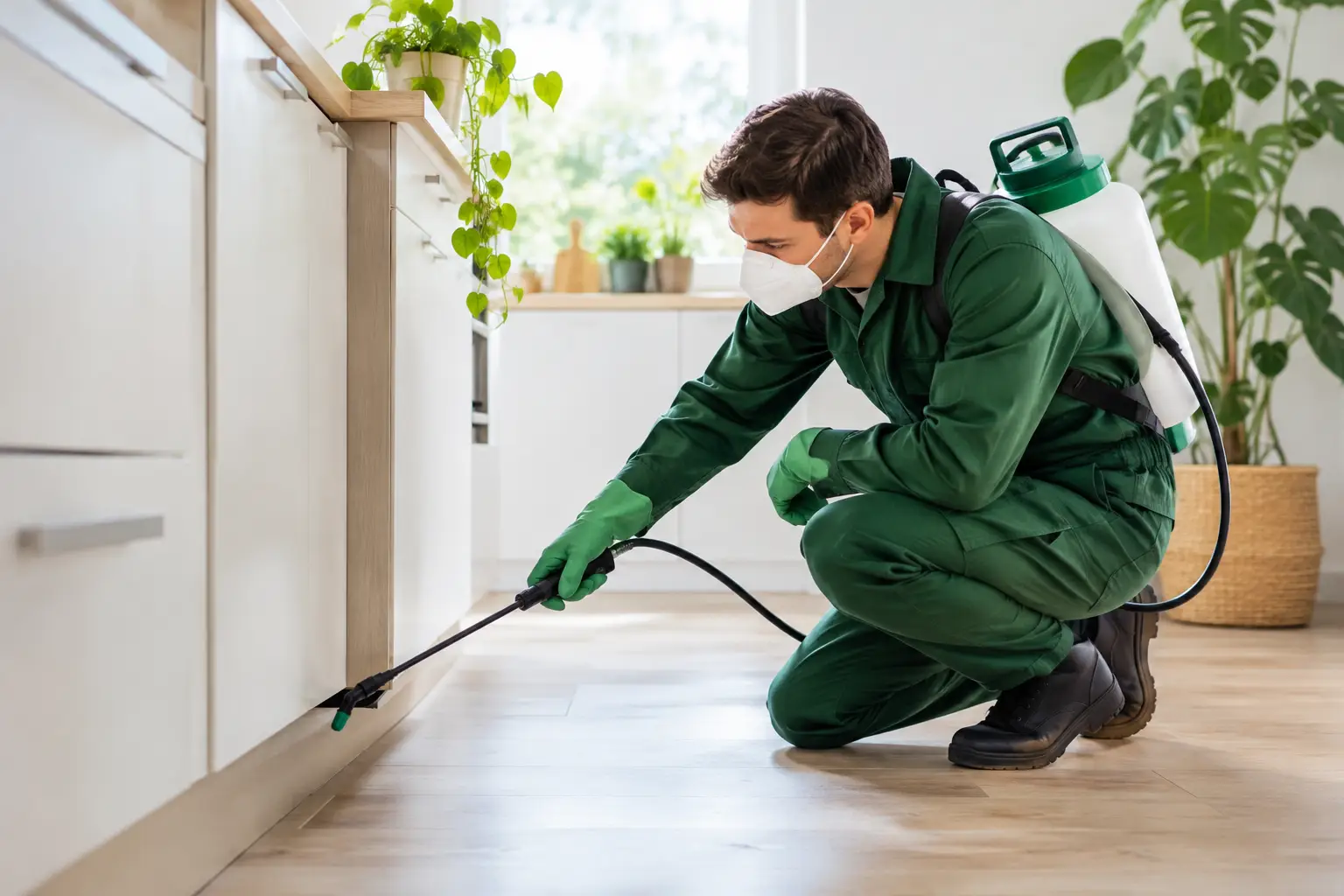
A cockroach seen near the kitchen sink, mosquito bites after a rainy week, or gnaw marks in a storeroom can make a property feel immediately unsafe. This eco friendly pest control guide explains how to reduce pest activity without relying on unnecessary chemical use, while still taking infestations seriously enough to protect health, hygiene, and property.
Eco-friendly pest management is not about ignoring a problem or using a single natural remedy for every situation. It is a structured approach that starts with prevention, uses targeted treatment only where needed, and addresses the conditions that allow pests to return. For homes, offices, F&B premises, and industrial sites, that balance is essential.
What Eco-Friendly Pest Control Really Means
Eco-friendly pest control focuses on reducing risk to people, pets, non-target species, and the surrounding environment. The objective remains the same: stop active infestations and prevent recurrence. The difference is in the method.
A responsible program begins with inspection. Rather than treating every room with broad pesticide application, a technician identifies the pest, its likely entry points, food sources, nesting areas, and breeding conditions. Treatments can then be applied precisely, alongside practical improvements to sanitation, exclusion, and maintenance.
This approach is often called integrated pest management, or IPM. It combines monitoring, physical controls, habitat reduction, and science-backed treatment methods. When professional products are necessary, they should be selected and applied according to the pest pressure, property use, and safety requirements of the site.
The result is not simply fewer pests in the short term. It is a more controlled environment that is less attractive to pests over time.
Start With the Conditions Pests Need
Most pests do not appear by chance. They stay because a property offers food, water, shelter, or access. Removing these conditions is the foundation of long-term control.
Cockroaches are drawn to grease, food debris, moisture, and concealed gaps around plumbing or cabinetry. Rodents look for accessible food, cluttered shelter, and openings around doors, pipes, and utility lines. Mosquitoes need standing water to breed, even in small containers or poorly drained areas. Subterranean termites are attracted to moisture and wood-to-soil contact, and can travel unseen through soil or structural voids.
Daily habits make a meaningful difference. Store food in sealed containers, clear spills promptly, empty indoor trash regularly, and avoid leaving pet food out overnight. Repair leaking faucets and pipes, especially under sinks and behind appliances. Outdoors, clear drains, turn over containers that collect rainwater, and keep vegetation from pressing tightly against walls.
For commercial settings, these tasks should be part of an assigned routine rather than an informal expectation. A missed cleaning task, unmanaged waste area, or damaged door sweep can become the starting point for a recurring pest problem.
Close Entry Points Before They Become Pathways
Exclusion is one of the most effective low-impact pest control measures. Check window screens, vents, utility penetrations, floor drains, door gaps, and cracks in walls or flooring. Rodents can enter through surprisingly small openings, while cockroaches can move through gaps around pipes and service ducts.
Seal suitable cracks and crevices, install door sweeps where needed, and repair damaged screens. In food-related businesses, proper seals around loading areas and back doors are especially valuable because frequent deliveries can create repeated access points.
Exclusion has limits. A building with existing pest activity may still need professional treatment. However, treating an infestation without closing access points often leads to the same issue returning later.
Match the Method to the Pest
An eco friendly pest control guide should be practical about one key fact: different pests require different solutions. A method that works for mosquitoes may do very little for termites, and home remedies can delay professional attention when a serious infestation is present.
Cockroaches
For cockroach control, sanitation and moisture reduction are critical, but hidden harborages must also be addressed. Targeted gel baits, monitoring traps, and crack-and-crevice treatments can control activity with less disruption than indiscriminate spraying. The placement and selection of treatment matter because cockroaches often nest in inaccessible areas behind equipment, within cabinets, or around plumbing lines.
Avoid moving infested appliances or furniture between rooms without a plan. This can spread cockroaches to new areas. In multi-unit properties, cooperation between neighboring units and property management may also be necessary.
Mosquitoes
Mosquito control starts with source reduction. Empty standing water from plant saucers, buckets, trays, and other containers. Maintain drains and gutters so water does not collect, and inspect less obvious areas such as air-conditioning trays and outdoor storage spaces.
When mosquito activity is persistent, professionals can assess likely breeding zones and recommend targeted measures. Fogging may provide short-term reduction of adult mosquitoes in certain circumstances, but it does not replace eliminating breeding sites. Prevention is what reduces the next wave.
Rodents
Rodent control requires more than setting traps. Food storage, waste handling, clutter, and entry points all need attention. Mechanical traps and secured bait stations may be appropriate, depending on the setting and severity of activity. In homes with children or pets, placement and tamper-resistant equipment are particularly important.
Signs such as droppings, rub marks, chewed packaging, or noises in ceilings should be addressed early. Rodents can contaminate stored food, damage wiring, and create persistent sanitation concerns.
Subterranean Termites
Termites demand a professional response because damage may be hidden until it becomes extensive. Do not rely on surface sprays or assume that removing visible insects solves the colony problem. A proper assessment considers termite species, moisture conditions, construction features, and possible routes of entry.
Targeted termite treatment and ongoing monitoring can help protect a structure while minimizing unnecessary application. Early detection is especially valuable, since termites can affect wood components, fixtures, and other cellulose-based materials without obvious exterior signs.
Use Products Carefully, Even When They Are Labeled Green
“Natural” does not automatically mean harmless, and “eco-friendly” does not mean a product can be used without care. Essential oils, botanical sprays, and other consumer products may repel certain insects temporarily, but their effectiveness varies widely. Some can irritate skin or airways, and some are unsafe for pets when misused.
Read product instructions carefully and never mix chemicals or apply more than directed. Keep children and pets away from treatment areas until it is safe to return. For commercial properties, use products and procedures that align with site safety practices, food-handling requirements, and operational needs.
Professional pest management providers can help determine whether a non-chemical measure, a targeted professional-grade product, or a combination of both is appropriate. This prevents the common cycle of repeated do-it-yourself treatments that suppress visible activity without reaching the source.
When Professional Help Is the Safer Choice
A single ant trail or occasional flying insect may be manageable through cleaning and exclusion. Repeated sightings, pest droppings, bites, damaged materials, foul odors, or activity in sensitive areas are different. These are signs that the issue may be established or spreading.
Professional inspection is particularly helpful for termite concerns, persistent cockroach activity, rodent infestations, mosquito breeding risks, and pest problems in F&B, healthcare, retail, or industrial environments. These sites must protect staff, customers, products, and compliance standards at the same time.
Servcare takes a prevention-focused approach that combines inspection, tailored treatments, and practical guidance for keeping pest pressure low after service. With trained technicians, licensed operations, and entomologist-supported expertise, the goal is to provide effective control without treating more than the situation requires.
Build Prevention Into Property Care
The best results come from consistency. Keep a simple record of sightings, treatment dates, leaks, drainage issues, and recurring problem areas. For facilities, regular inspections and clear reporting help management spot trends before they turn into major disruptions.
Eco-friendly pest control is not a one-time product choice. It is the ongoing practice of making a property harder for pests to enter, feed, breed, and settle in. When prevention and targeted professional care work together, you can protect your space with greater confidence and far less guesswork.