


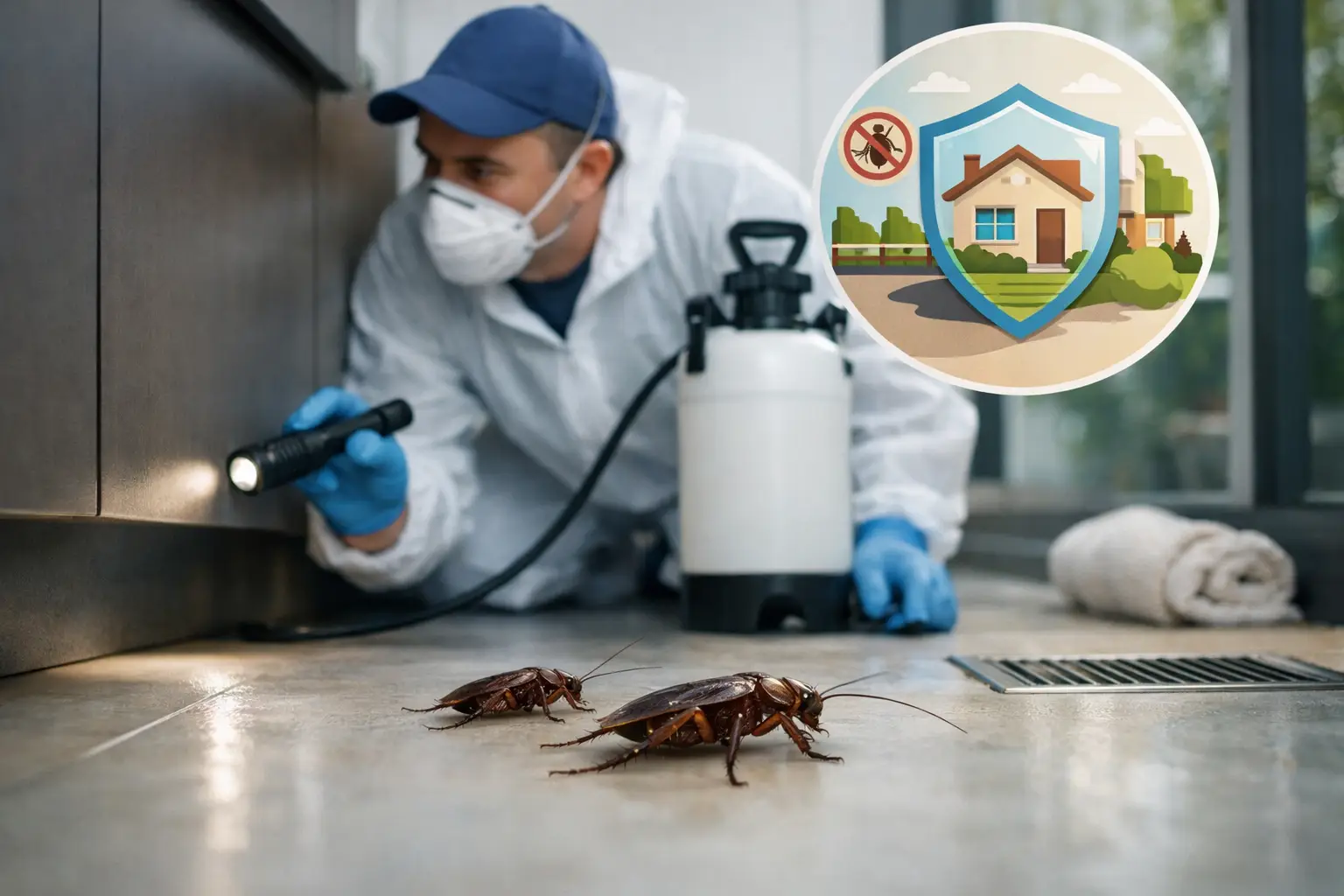
Seeing one cockroach in the kitchen at night usually means there is more going on than a single stray insect. If you are searching for how to prevent cockroaches at home, the real goal is not just to kill what you can see. It is to remove the food, water, shelter, and access points that allow them to keep returning.
Cockroaches are persistent because homes provide exactly what they need. Warmth, moisture, crumbs, hidden gaps, and clutter create a stable environment for them to survive and breed. That is why long-term prevention works best when it focuses on the conditions attracting them, not only on surface-level treatment.
How to prevent cockroaches at home starts with knowing what attracts them
Cockroaches do not need much to settle in. A leaking pipe under the sink, grease buildup behind the stove, pet food left out overnight, or cardboard stored in a damp corner can all support activity. In apartments, condos, and other shared buildings, they may also move between units through plumbing lines, wall voids, and service ducts.
This matters because prevention is rarely about one single fix. A very clean home can still face roach activity if moisture is high or entry points are open. On the other hand, spraying store-bought products without fixing those root causes often leads to repeat sightings.
The most effective approach is systematic. Reduce what roaches need, block where they travel, and respond early if signs appear.
Keep food sources tightly controlled
Food is one of the strongest drivers of roach activity, and the smallest residues matter more than many people expect. Crumbs under appliances, grease around burners, sugary spills on counters, and overflowing trash can all sustain a population.
Daily cleaning makes a big difference, especially in kitchens and dining areas. Wipe counters after meals, sweep or vacuum food debris, and clean under small appliances where particles collect. If you cook often, pay extra attention to grease on backsplashes, range hoods, and the sides of the stove.
Storage matters too. Dry goods such as cereal, rice, flour, and pet food should be kept in sealed containers rather than in opened paper or plastic packaging. Trash bins should have fitted lids, and garbage should not be left sitting overnight if food waste is inside.
There is some nuance here. A home does not need to be visibly dirty to attract cockroaches. Even tidy households can have hidden food sources in cabinet corners, under refrigerators, or inside pantries. Prevention works best when cleaning includes those overlooked spots rather than only exposed surfaces.
Reduce moisture wherever possible
Cockroaches are strongly drawn to water, which is why they often appear in kitchens, bathrooms, utility rooms, and around drains. In many cases, moisture is what allows them to stay even when food is limited.
Check under sinks, behind toilets, around washing machines, and near water heaters for slow leaks or condensation. Repairing a dripping faucet or sealing a pipe joint may seem minor, but these small water sources can support ongoing activity. If certain rooms stay humid, improving ventilation or using a dehumidifier can help make the space less favorable.
Do not overlook simple habits. Avoid leaving water in the sink overnight, dry wet dish racks when possible, and empty pet water bowls before bed if practical for your household. In bathrooms, keep floor drains clean and try not to let standing water remain after showers.
For some homes, moisture control is the missing piece. People often focus on sprays and traps while a hidden leak continues to create ideal conditions behind a cabinet or wall.
Seal entry points and hiding places
If you want to know how to prevent cockroaches at home for the long term, exclusion is a major part of the answer. Roaches can enter through surprisingly small gaps around pipes, utility penetrations, door frames, window frames, and wall cracks.
Inspect the areas under sinks and behind appliances first. Openings where plumbing enters the wall are common travel routes. Gaps around cabinets, baseboards, and electrical lines should also be checked. Sealing these spaces with appropriate materials helps reduce movement and limits the sheltered voids where roaches like to stay.
Doors and windows deserve attention too. Worn weather stripping, damaged screens, and gaps at thresholds can increase the chance of pests entering from outside or from common building areas. In multi-unit properties, this step is especially valuable because cockroaches may migrate from neighboring spaces even if your own housekeeping is strong.
Sealing alone will not solve an existing infestation, but it does support every other preventive step. It makes your home harder to access and reduces the hidden spaces where activity can build unnoticed.
Be careful with clutter and storage habits
Cockroaches prefer dark, undisturbed areas where they can hide during the day. Piles of paper bags, cardboard boxes, unused containers, and crowded storage areas create perfect shelter.
This does not mean every storage closet is a problem, but it does mean organization matters. Keep items off the floor where possible, avoid letting cardboard accumulate for long periods, and be cautious with stored goods brought in from delivery boxes or shared storage spaces. Kitchens, laundry rooms, and utility areas should be reviewed regularly because they combine shelter with warmth and moisture.
If you have recently moved, renovated, or brought in secondhand appliances or furniture, stay alert. Roaches and egg cases can hitchhike in packaging, used items, and stored materials. Prevention sometimes starts before the pest ever enters the main living area.
Use monitors and early intervention, not guesswork
One of the most common mistakes homeowners make is waiting too long. A sighting every few days may seem manageable, but cockroach populations can grow quickly when conditions are right. By the time they are regularly visible during the day, the activity is often more established.
Sticky monitors placed in discreet areas such as under sinks, behind toilets, near appliances, and inside cabinets can help track movement. They will not solve the issue on their own, but they can tell you whether activity is isolated or increasing. That gives you a clearer picture than relying on occasional sightings.
Baits can be useful when placed correctly, but placement and product choice matter. Randomly applying over-the-counter sprays can scatter roaches deeper into hiding and reduce the effectiveness of baiting strategies. It can also create unnecessary exposure if products are overused around children, pets, or food areas.
This is where professional judgment often makes a difference. What looks like a few roaches in one room may actually be linked to a larger issue behind cabinetry, in drainage lines, or inside shared building infrastructure.
When prevention at home is not enough
If you are seeing droppings, egg cases, a musty odor, or repeated sightings despite cleaning and sealing, the problem may already be established. In that situation, prevention still matters, but it needs to be paired with targeted treatment.
Professional cockroach control is not just about applying chemicals. A proper service should begin with inspection, identification, and a treatment plan based on the conditions of the home. Different species behave differently. Some stay close to moisture sources, while others spread through broader indoor spaces. Effective control depends on understanding where they harbor, how they travel, and why they persist.
For households that want dependable long-term protection, this tailored approach is usually more effective than repeated DIY attempts. A professional team can also advise on sanitation, proofing, and follow-up measures that reduce the chance of reinfestation. That is the standard companies such as Servcare aim to deliver through science-based treatment and prevention-led service.
A realistic approach to keeping roaches out
No home can be made permanently risk-free, especially in dense urban environments or shared buildings. But there is a big difference between occasional outside pressure and an indoor problem that is allowed to settle in. The goal is to make your home difficult to enter, difficult to survive in, and quick to respond if signs appear.
That usually means combining better sanitation, moisture control, exclusion, and early action rather than relying on one product or one weekend of cleaning. When those pieces work together, prevention becomes much more reliable.
A cockroach problem rarely starts all at once. It builds quietly in the background. The good news is that steady, practical prevention can stop that buildup before it turns into a larger infestation.