

A cockroach sighting near the kitchen sink, mosquito bites after an evening at home, or scratching sounds above the ceiling can make a household feel unsettled quickly. Family safe pest treatment is designed to address that concern with a measured approach: controlling the pest problem effectively while reducing unnecessary exposure for children, pets, and everyone who uses the space.
The safest solution is not simply the one with the least noticeable odor or the quickest spray. It is a professional plan that identifies the pest, targets where it lives and travels, uses products correctly, and removes the conditions that allow the infestation to return.
What Family Safe Pest Treatment Really Means
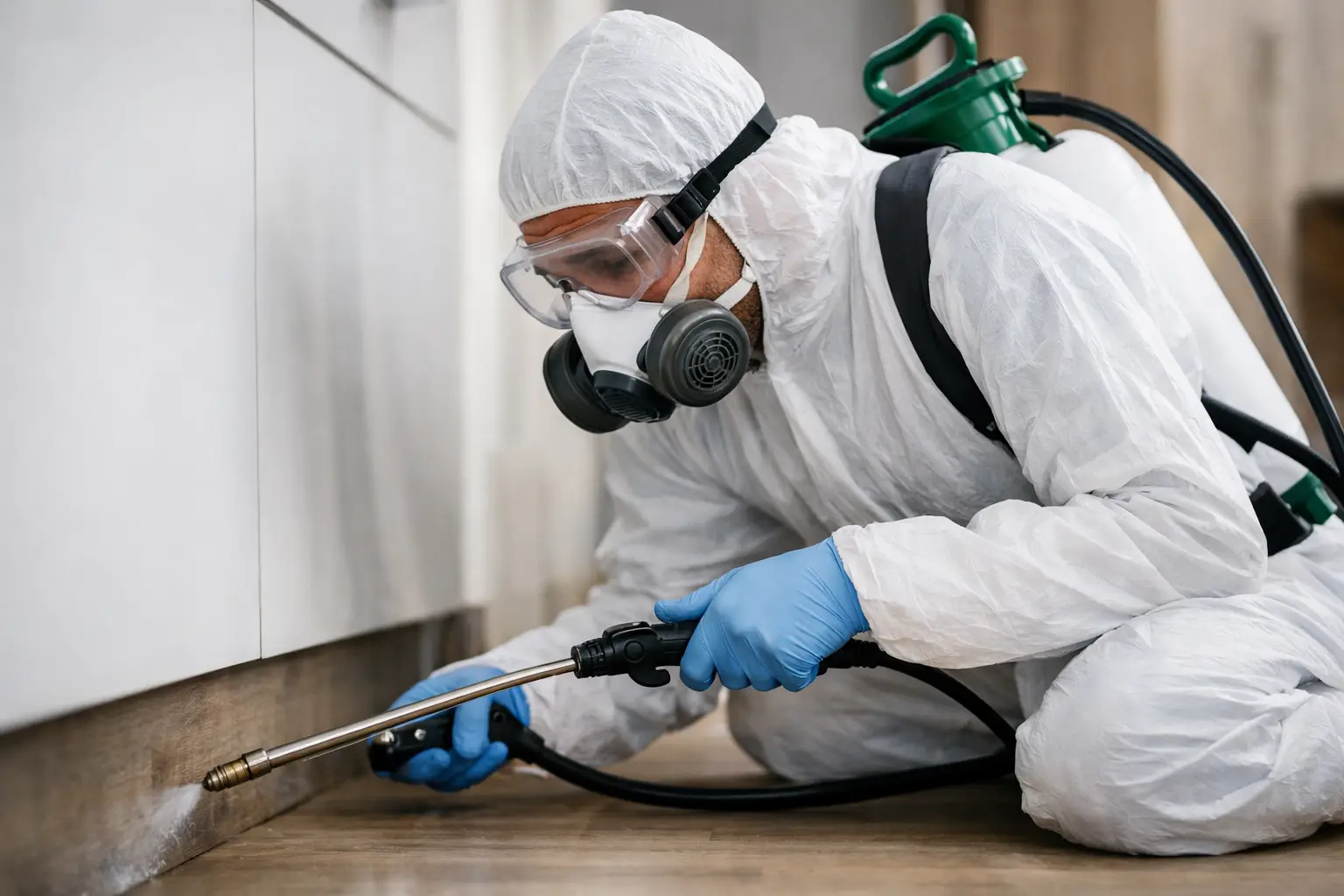
Family safety and effective pest control should work together. A proper treatment begins with an inspection, not a one-size-fits-all application. Different pests require different methods. Cockroaches may require targeted baiting and harboring-area treatment, while rodents need entry-point exclusion and carefully placed control measures. Mosquito control focuses on reducing breeding sources, and termite management requires a strategy that protects the structure over time.
A family-conscious program considers who occupies the property, how the rooms are used, and where treatment is genuinely needed. Kitchens, nurseries, pet areas, food-storage spaces, and high-touch surfaces deserve particular care. A trained technician should explain the treatment plan, provide clear preparation instructions, and advise on any re-entry or cleaning requirements.
This approach does not mean leaving an active infestation untreated. Pests can contaminate food, trigger allergies, spread pathogens, damage wiring, and compromise wooden structures. The goal is to resolve those risks with precise, responsible pest management rather than relying on broad, repeated spraying.
Why Store-Bought Sprays Can Create More Problems
A can of insect spray may kill the pest that is visible, but it rarely reaches the nest, breeding site, or hidden harborages behind appliances and inside wall voids. In some cases, spraying can drive cockroaches deeper into gaps or scatter them into other rooms. The problem appears to fade, then returns.
Overapplication is another concern. When homeowners use several products without knowing the active ingredients, treatment areas, or appropriate amounts, they may create unnecessary exposure without improving results. This is especially relevant in homes with young children or pets that spend time close to floors, cabinets, and furniture.
Professional treatment brings a clearer process. The technician can identify the species, assess the severity of activity, select an appropriate control method, and determine whether follow-up visits are needed. That matters because a single treatment may not be enough for pests with eggs, hidden colonies, or multiple access points.
The Right Method Depends on the Pest
Cockroaches: Target the Hidden Population
Cockroaches are drawn to moisture, food residue, grease, and sheltered cracks. Seeing one or two during the day may indicate a larger population nearby, particularly in warm, humid spaces such as kitchens, bathrooms, and utility areas.
Effective cockroach control usually combines targeted treatment with sanitation and exclusion. Baits and precisely applied products can reach roaches where they forage and hide, while sealing gaps around plumbing lines and repairing leaks reduces their access to shelter and water. Residents should also keep food in sealed containers, remove trash regularly, and avoid leaving pet food out overnight where practical.
Rodents: Remove Access, Not Just the Sightings
Rodents can contaminate food and surfaces with droppings and urine, chew electrical cables, and damage stored materials. Traps alone may reduce activity, but they do not solve the issue if rats or mice can continue entering through gaps around pipes, doors, drains, vents, or damaged building edges.
A family-safe rodent plan prioritizes inspection and exclusion. Control devices should be placed strategically and safely, away from children and pets, while entry points are identified for repair. Ongoing monitoring helps confirm whether the population has been eliminated or whether activity is coming from an adjacent area.
Mosquitoes: Stop Breeding Before Bites Begin
Mosquito treatment should never focus only on adult mosquitoes. Standing water in planters, trays, drains, gutters, containers, and outdoor items can support breeding. Even a small amount of water can become a problem when left undisturbed.
The most dependable approach combines source reduction with targeted treatment where appropriate. Empty and scrub water-holding containers, keep drains clear, and check sheltered outdoor areas after rain. Where mosquito activity persists, a professional inspection can identify overlooked breeding conditions and recommend a treatment plan suited to the property.
Termites: Protect the Building Early
Subterranean termites can cause substantial damage before visible signs become obvious. Mud tubes, hollow-sounding timber, blistering paint, or weakened wooden fixtures deserve prompt professional assessment. Waiting for more evidence can increase the scope and cost of repairs.
Termite treatment is a specialized service because the colony may be underground or hidden within structural elements. A professional plan can address active termite pathways and establish protection tailored to the property. For families, the key benefit is early action that protects both the home and the people living in it.
How to Prepare Your Home Safely
Preparation helps a treatment work as intended and prevents avoidable contact with treated areas. Your pest professional should provide instructions specific to the service, the products used, and the rooms being treated. Do not rely on general advice when the details of your treatment may differ.
Before the appointment, clear food, utensils, and children’s items from areas identified by the technician. Store pet bowls, toys, and bedding as directed. If cabinets or under-sink areas need access, remove clutter so the technician can inspect and treat targeted locations accurately. After service, follow the recommended waiting period before using treated spaces or cleaning those areas.
It is also helpful to share relevant information upfront. Tell the technician about infants, pregnancy, respiratory sensitivities, pets, aquariums, or any household member with special health considerations. This allows the treatment plan and safety guidance to be adjusted appropriately.
Prevention Is Part of the Treatment
The best family safe pest treatment includes prevention because pests return when food, water, access, and shelter remain available. A clean home can still experience pests, especially in multi-unit properties or neighborhoods with ongoing pest pressure. Prevention is not about blame. It is about making the property less attractive and easier to protect.
Focus on practical habits: repair leaking taps, clean crumbs and grease from food-preparation areas, keep garbage containers closed, reduce cardboard clutter, and seal obvious gaps around service lines and doors. Outdoors, trim vegetation away from the building where possible and remove containers that collect rainwater.
For apartments, offices, restaurants, and other shared buildings, coordination matters. Pests can move through common pipes, utility shafts, ceilings, loading areas, and neighboring units. A treatment plan that considers the wider environment is often more effective than addressing one room in isolation.
Choosing a Professional You Can Trust
Ask how the company identifies the pest and whether the proposed solution includes inspection, treatment, follow-up, and prevention. A dependable provider should be willing to explain what is being used, where it will be applied, what precautions are required, and what results to expect over the following days or weeks.
Credentials, experience, and product handling standards matter. So does honest guidance. Some infestations can be resolved quickly, while others need repeat visits, monitoring, or building repairs to stop re-entry. A professional should set realistic expectations instead of promising that every pest issue disappears after one visit.
Pest control should leave your household feeling more secure, not more uncertain. With a targeted plan, clear safety guidance, and preventive follow-through, you can protect the people at home while dealing with the source of the problem.