

A cockroach seen after dark, a line of ants near a pantry, or softening timber around a doorway can create the same urgent question: who can solve this properly? The best pest control company is not simply the one that can arrive quickly or offer the lowest quote. It is the provider that identifies the source of the problem, treats it safely, and helps prevent it from returning.
For homes, pests can affect hygiene, comfort, and confidence in the place where your family should feel secure. For businesses, the consequences can extend to customer trust, food safety, employee wellbeing, compliance, and costly operational disruption. Choosing a qualified pest management partner is therefore a practical decision with long-term value.
What the Best Pest Control Company Does Differently
A surface-level treatment may reduce visible pest activity for a short time. But spraying where pests have been seen is not always the same as controlling an infestation. Cockroaches hide in cracks and service voids, rodents travel along established routes, mosquitoes breed in overlooked water-holding areas, and subterranean termites may remain active out of sight while feeding on timber.
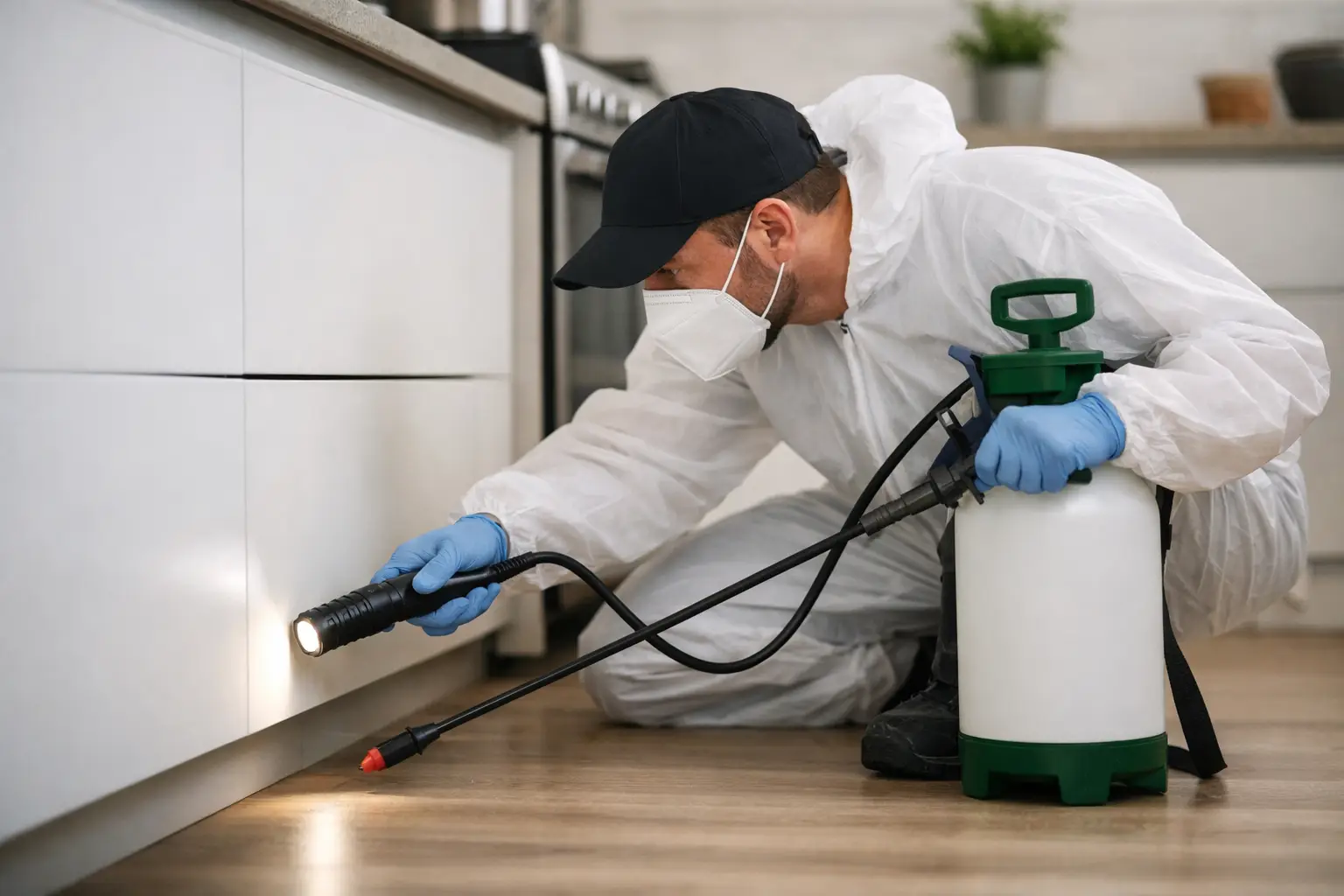
A dependable provider begins with inspection. The technician should ask where activity has been noticed, assess likely entry points and harborages, and consider conditions that allow pests to survive and reproduce. This approach makes treatment more targeted and avoids treating every property as though it has the same problem.
The right company also explains what will happen. You should understand the pest issue, the treatment method, any preparation required, and the next steps needed to reduce recurrence. Clear guidance matters because pest control works best when professional treatment and practical site improvements support each other.
For example, a cockroach program may include targeted gel baiting, monitoring, and advice on reducing food and moisture sources. Rodent control may require traps and bait stations, but also sealing gaps around pipes, doors, and service areas. Effective service addresses both the pest and the conditions that support it.
Start With Safety, Licensing, and Relevant Expertise
Pest management involves products, equipment, and treatment decisions that should be handled by trained professionals. Ask whether the company is properly licensed for pest control work and whether its technicians follow appropriate safety procedures. In Singapore, an NEA-licensed provider offers an essential level of regulatory assurance.
Experience is valuable, but relevant experience is even more useful. A provider that understands urban pest behavior can make better decisions about treatment placement, inspection priorities, and follow-up timing. Entomologist support is another meaningful indicator, particularly for complex, persistent, or high-risk infestations.
Safety should extend beyond the treatment day. A professional company will consider occupants, pets, food-handling areas, sensitive equipment, and the normal use of the premises. Eco-friendly practices do not mean using ineffective solutions. They mean applying appropriate products responsibly, in the right locations and quantities, while reducing unnecessary exposure.
For an F&B outlet or food production environment, this standard is especially important. The provider should recognize that pest control must support sanitation practices and operational requirements without creating avoidable disruption. The same care applies to homes with young children, older adults, or pets.
Look for a Plan, Not a One-Time Spray
One-off treatments have a place when an isolated issue is caught early. However, recurring pests, established infestations, and commercial sites usually need a structured program. The best results come from a treatment plan built around the pest species, infestation level, property layout, and risk factors at the site.
A useful plan typically includes an initial inspection, focused treatment, recommendations for corrective action, and follow-up monitoring where needed. It should also set realistic expectations. Some pest problems improve quickly, while others require several visits because eggs may hatch after the first service or because pest activity is coming from concealed areas.
Be cautious of guarantees that sound absolute without explaining the conditions behind them. No responsible pest professional can control factors outside the property, such as neighboring activity, open access points, or sanitation issues that are not corrected. What they can do is provide a clear method for reducing the risk, tracking results, and adjusting treatment when evidence calls for it.
Termite control is a strong example. Subterranean termites can cause damage without obvious warning signs, so treatment should be based on a detailed assessment rather than assumptions. The right solution may depend on construction details, the extent of activity, access to affected areas, and whether monitoring or a barrier system is appropriate.
Questions to Ask Before You Commit
A short conversation can reveal whether a company is focused on lasting protection or only on completing a job quickly. Ask how it confirms the pest species and infestation source. Ask what treatment method it recommends and why that method fits your property.
You should also ask about preparation and aftercare. Will you need to clear cabinets, protect food, move furniture, or limit access to certain areas for a period? What signs should you monitor afterward? When should you expect a follow-up visit or report renewed activity?
For commercial properties, ask how the provider documents services. Clear inspection findings, treatment records, site recommendations, and trend reporting help facility managers maintain accountability. This is particularly valuable for multi-tenant buildings, retail spaces, offices, warehouses, industrial facilities, and food-related businesses where pest activity needs to be managed consistently.
Price is a valid consideration, but compare what is included. A low initial quote may not include inspection depth, follow-up visits, monitoring devices, exclusion work, or treatment for all affected areas. A more complete program can provide better value when it reduces repeat infestations and protects the property from escalating damage.
Match the Service to the Pest Risk
Not every pest concern requires the same response. Choosing a company with proven capability in the pests affecting your property helps prevent wasted time and incomplete treatment.
Cockroaches
Cockroach activity can quickly become a hygiene concern, especially in kitchens, bathrooms, pantries, and shared service areas. Because cockroaches often hide in tight, warm spaces, targeted treatment and careful inspection are more effective than relying on broad sprays alone. Ongoing monitoring may be appropriate in commercial kitchens and high-use facilities.
Mosquitoes
Mosquito control is about reducing breeding opportunities as well as treating active areas. A thorough provider looks for stagnant water, blocked drains, containers, landscape features, and other conditions that can support larvae. For properties with recurring concerns, preventive inspections can be as important as reactive treatment.
Rodents
Rodent control requires more than placing bait. Rats and mice can contaminate food, damage wiring, and exploit small access gaps. Effective control combines strategic trapping or baiting with proofing recommendations, waste management improvements, and monitoring of likely travel routes.
Subterranean Termites
Termites demand early attention because visible damage may appear only after significant activity has occurred. Look for a company that can inspect carefully, explain the evidence found, and recommend a treatment approach suited to the building and level of risk. Continued protection is often an important part of termite management.
Why Communication Is Part of Good Pest Control
Technical expertise matters most when it is communicated clearly. You should not be left wondering what product was used, why pests are still appearing, or what you need to do next. A reliable provider gives straightforward answers and treats concerns seriously, particularly when the issue affects a home, tenant space, or customer-facing business.
Good communication also prevents common misunderstandings. Seeing a few insects after treatment does not automatically mean the service failed. Depending on the pest and method used, activity can temporarily change as pests are displaced from hiding places or encounter treatment. Your technician should explain what is normal, what requires attention, and how to report concerns.
Servcare brings more than two decades of experience to this work, combining science-backed methods, professional-grade products, and tailored recommendations for homes and businesses. The objective is not to create a temporary impression of control. It is to provide reliable protection with safety, technical care, and peace of mind at the center of every service.
The right pest control partner should leave you with more than a treated property. You should have a clearer understanding of the risk, practical steps to protect the space, and confidence that someone is helping you prevent the next problem before it grows.