


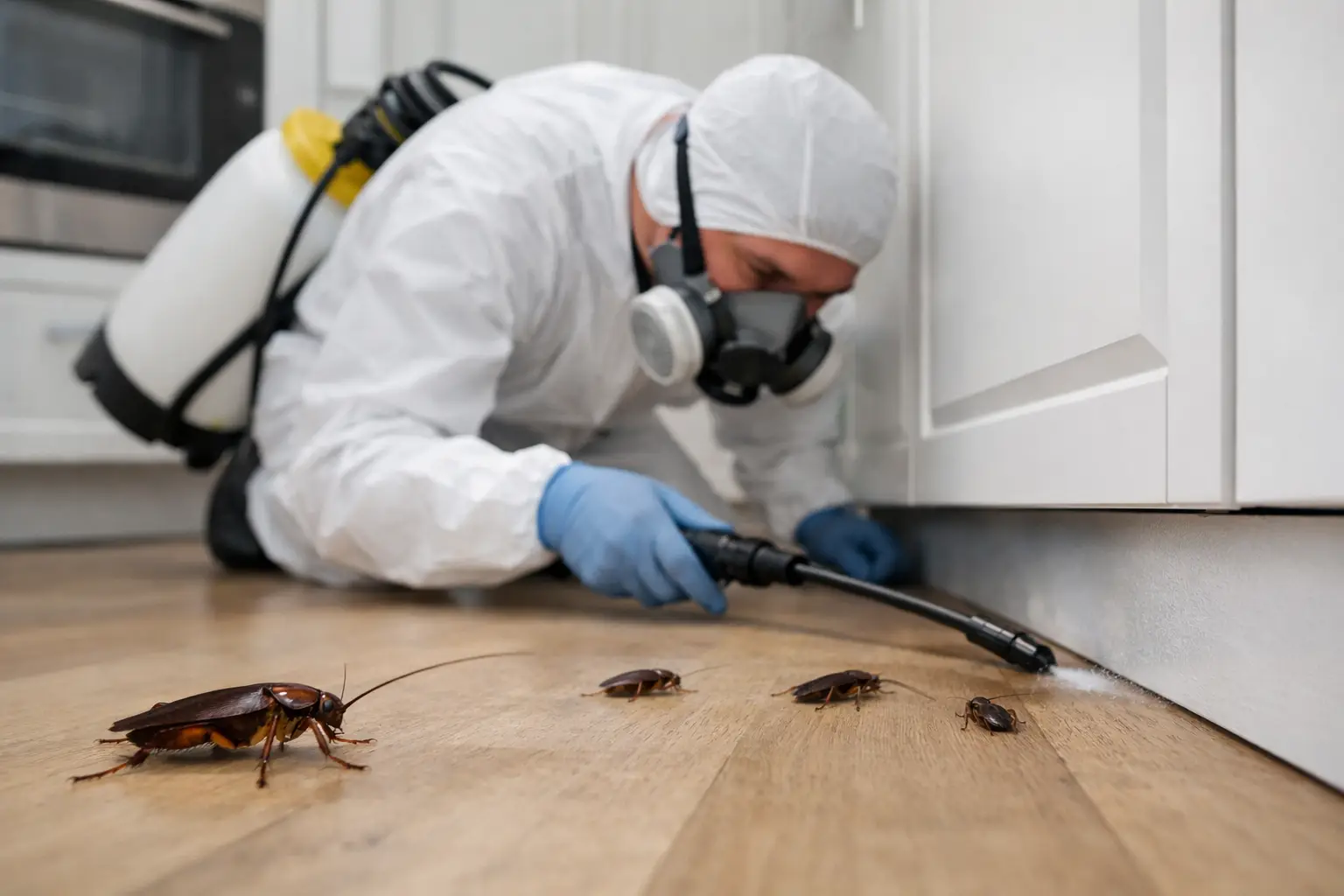
A cockroach seen darting behind a refrigerator or under a sink is rarely an isolated visitor. Roaches stay close to food, water, warmth, and hidden shelter, so a daytime sighting, droppings, egg cases, or a musty odor can point to activity that has already spread beyond one room. Knowing how to get rid of cockroaches means addressing the conditions that support them, not simply spraying the one you can see.
For households, the priority is protecting food areas and reducing exposure to allergens and contamination. For offices, retail spaces, food businesses, and industrial facilities, a small issue can quickly become an operational, hygiene, and reputational concern. The most reliable approach combines sanitation, targeted treatment, exclusion, and follow-up monitoring.
Start by Finding Where Roaches Are Hiding
Cockroaches are most active at night and prefer tight, dark spaces near moisture and food. Check beneath sinks, behind refrigerators and stoves, around dishwashers, inside cabinet hinges, near floor drains, and along plumbing lines. In commercial properties, inspect pantries, break rooms, storerooms, loading areas, waste rooms, false ceilings, and utility shafts as well.
Look for small dark droppings that resemble ground pepper or coffee grounds, shed skins, brown egg cases, smear marks near harborages, and a persistent stale odor. German cockroaches, a common indoor species, are small and reproduce rapidly. Larger roaches may enter from drains, exterior areas, or gaps around pipes. Identifying the likely source matters because the treatment plan for a kitchen infestation differs from one driven by drainage or building-entry points.
Do not assume a clean-looking room is free of roaches. Crumbs under appliances, grease on surfaces, unsealed pet food, and condensation around pipes can be enough to sustain them. Roaches can also move between units through shared plumbing, conduits, and wall voids, which is why apartment and commercial infestations sometimes require coordinated action.
Remove Food, Water, and Shelter
Cleaning alone will not eliminate an established infestation, but it makes every other control measure more effective. The goal is to reduce the resources roaches use between treatments.
Wipe counters, stovetops, and dining surfaces after use, paying attention to grease around cooking equipment. Vacuum crumbs from cabinet edges, under furniture, and beneath appliances. Store dry goods in sealed containers, keep fruit covered or refrigerated, and avoid leaving pet food out overnight. Empty garbage frequently, use bins with close-fitting lids, and clean residue from recycling containers before storing them indoors.
Moisture control is just as important. Repair leaking pipes, tighten loose drain connections, dry sink areas before bed, and address standing water beneath equipment. In a business setting, check for water accumulation near ice machines, beverage stations, dishwashing areas, floor drains, and cleaning closets. A roach population may persist even when food is limited if there is reliable moisture nearby.
Clutter creates protected harborage. Break down cardboard boxes promptly, keep storage raised where practical, and avoid packing cupboards or storerooms so tightly that inspection becomes impossible. Cardboard, paper stacks, and unused equipment are especially attractive because they offer dark, undisturbed gaps.
Use Targeted Roach Control, Not Random Sprays
Aerosol sprays may kill a roach in view, but they often miss the colony hiding in cracks, appliances, and wall voids. Overuse can also drive roaches deeper into their harborages or interfere with bait acceptance. Foggers and total-release insecticides are rarely a sound answer for an indoor cockroach issue. They do not reach many hiding places, and they can create unnecessary exposure concerns if used incorrectly.
Gel baits are often effective because foraging roaches feed on them and carry the active ingredient back to areas where other roaches may be exposed. Place bait in small amounts near active zones rather than applying large blobs in open areas. Good locations include cabinet corners, behind appliances, around plumbing penetrations, and inside protected cracks where children and pets cannot access it.
Avoid spraying insecticide directly over bait placements, as this may repel roaches from the bait. Also, do not expect a bait to work immediately. Activity may continue for several days as roaches feed and move through the infestation. Replace bait when it is consumed, dried out, or contaminated by grease and dust, following the product label at all times.
Sticky monitoring traps can help confirm where activity is strongest and whether treatment is reducing the population. Position them along walls, behind equipment, under sinks, and near suspected entry points. Traps are useful for monitoring, but they will not resolve a widespread infestation on their own.
Seal Entry Points and Block Reinfestation
Once roach activity has been reduced, close off the routes that allow new pests to enter or move around the property. Seal cracks around pipes, cabinets, baseboards, and electrical conduits with an appropriate sealant. Fit door sweeps where exterior gaps are present, repair damaged window screens, and make sure vents are properly screened without restricting required airflow.
Drain-associated roaches need a slightly different focus. Keep floor drains clean, maintain drain covers, and investigate damaged traps or poorly sealed pipe connections. In multi-unit buildings, recurring activity may be linked to neighboring units or shared service lines. Treating only one visible area can lead to frustration if the larger pathway is left unaddressed.
For food and beverage operations, prevention also depends on routine standards. Waste should be removed on schedule, incoming deliveries inspected, storage areas kept organized, and grease-management practices maintained. These steps support pest control efforts while helping protect hygiene standards and business continuity.
When Professional Cockroach Treatment Is the Better Choice
A professional assessment is advisable when roaches are seen during the day, activity returns after DIY treatment, droppings appear in several rooms, or the property has vulnerable occupants such as young children, older adults, or individuals with asthma. It is also the practical choice for F&B premises, healthcare-related environments, multi-unit properties, and facilities where pest activity could affect compliance or customer confidence.
Professional cockroach control should begin with inspection, not a one-size-fits-all spray. A trained technician can identify likely species, locate harborages, assess sanitation and entry-point issues, and select treatment methods suited to the environment. Depending on the situation, this may involve targeted baiting, crack-and-crevice applications, insect growth regulators, monitoring devices, or recommendations for exclusion and cleaning.
Follow-up is essential because cockroach eggs and inaccessible hiding places can allow activity to reappear after an initial visit. A proper program checks treatment progress, adjusts placement where needed, and focuses on preventing the next breeding cycle. This is particularly valuable in commercial settings, where discreet, planned treatment can minimize disruption while maintaining a documented pest-management process.
Servcare approaches cockroach management as a long-term protection issue, combining site-specific inspection, professional-grade methods, and practical prevention guidance. For Singapore properties, NEA-licensed pest management support and entomologist-backed expertise provide additional reassurance when an infestation is persistent or complex.
How to Get Rid of Cockroaches Without Creating New Risks
Safety should guide every treatment decision. Keep insecticides in their original containers, use only products labeled for the intended location, and follow all instructions on placement, ventilation, and re-entry. Never apply pesticides to food-preparation surfaces, utensils, or areas where they could be reached by children or pets. If bait stations or gels are used, place them only in inaccessible, protected locations.
Be cautious with home remedies that promise instant results. Some may repel roaches temporarily, while others can make it harder to determine where activity is concentrated. A strong bleach smell, for example, does not eliminate a hidden colony. The practical test is whether monitoring shows fewer roaches over time and whether the food, water, and entry conditions have been corrected.
A roach-free property is maintained through steady habits rather than a single dramatic treatment. Clean the overlooked spaces, keep moisture under control, monitor early warning signs, and act quickly when activity returns. That measured approach protects your home or business and gives you the best chance of keeping cockroaches from settling in again.