


A cockroach seen after lights-out, fresh rodent droppings in a storeroom, or termites found near a door frame can feel like a sudden problem. In most cases, the conditions that allowed pests in have been building for weeks or months. Long term pest prevention addresses those conditions, helping protect your home or business well after the first treatment is complete.
A one-time spray may reduce visible activity, but it rarely resolves the full issue on its own. Effective protection combines professional treatment with inspection, sanitation, exclusion, moisture control, and regular monitoring. This is especially relevant in Singapore, where warm, humid conditions can support pest activity throughout the year.
Why one-time treatments often fall short
Pests do not appear at random. Cockroaches seek food, water, warmth, and shelter. Rodents enter through small gaps to find the same resources. Mosquitoes breed where water is allowed to collect, while subterranean termites travel through soil and moisture pathways toward timber.
Treating only the pests you see can leave nests, breeding sites, entry points, and favorable conditions untouched. Activity may then return, often in the same area. For businesses, recurring pests can create hygiene concerns, disrupt operations, and put customer confidence at risk. For homeowners, the concern is usually more personal: protecting family health, comfort, and the condition of the property.
Long-lasting results depend on identifying the pest, understanding its behavior, and locating the source of the problem. The right treatment plan is therefore different for a kitchen cockroach issue, a rodent problem in a loading area, or termite activity beneath flooring.
The foundations of long term pest prevention
Start with a detailed inspection
An inspection turns a complaint into an informed plan. A pest professional looks beyond the affected room or visible trail to assess likely entry points, nesting areas, food sources, water leaks, drainage conditions, and nearby harborages.
For commercial sites, this may include back-of-house areas, false ceilings, refuse points, loading bays, utility rooms, and external perimeters. In homes, attention often goes to kitchens, bathrooms, service yards, storerooms, and concealed pipe penetrations. The goal is not simply to confirm that pests are present. It is to understand why they are able to remain there.
Remove the resources pests need
Good housekeeping is not about keeping a property perfectly spotless. It is about reducing the dependable food and water sources that allow pests to establish themselves.
Food should be stored in sealed containers, spills should be cleaned promptly, and waste should be contained and removed on schedule. Grease buildup around cooking equipment deserves particular attention in F&B settings and shared kitchens. Cardboard, unused materials, and crowded storage can also create sheltered spaces for cockroaches and rodents.
Water management is equally important. Repair leaking pipes, address persistent condensation, and avoid leaving standing water in trays, containers, or outdoor areas. For mosquito prevention, even small collections of water can become a breeding opportunity if they are not removed or treated.
Block access without creating new problems
Exclusion work prevents pests from using easy routes into a building. Common issues include gaps beneath doors, damaged screens, unsealed pipe openings, cracks in walls, and poorly fitted utility access panels. Rodents can enter through openings much smaller than many people expect, while cockroaches can move through narrow gaps around plumbing and cabinetry.
Sealing access points is highly effective, but it should be done with care. Closing a gap without checking for active pest movement may push pests further into a structure. A professional assessment helps determine whether treatment, trapping, or monitoring should be completed before or alongside exclusion work.
Use treatments that match the pest and setting
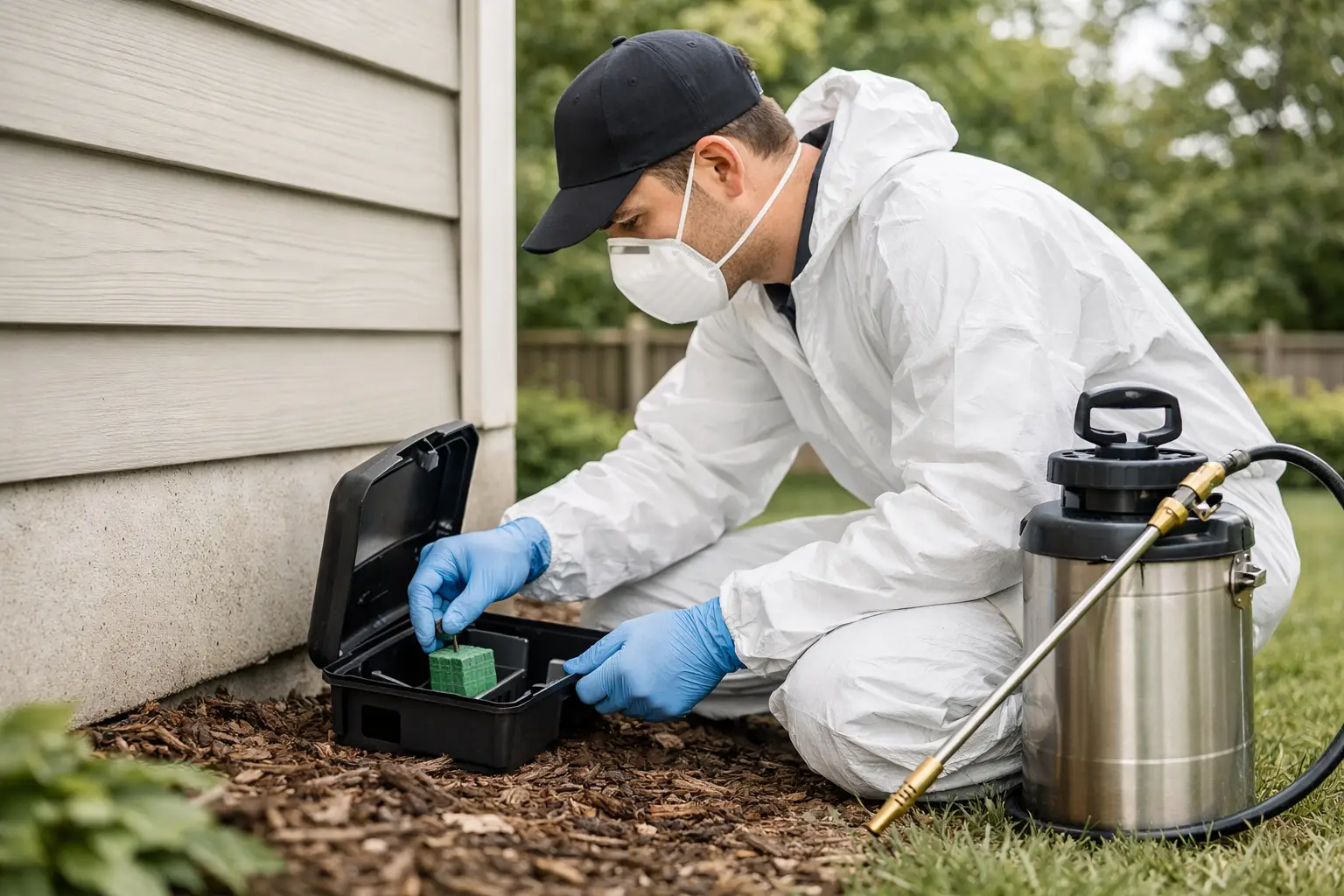
Professional-grade treatments are most effective when they are targeted. Cockroach control may involve carefully placed gel baits, residual applications in inaccessible harborages, and follow-up visits to interrupt the life cycle. Rodent management may combine secured bait stations, trapping, proofing, and monitoring of activity trends.
Mosquito control focuses on reducing breeding and treating suitable areas where larvae or adult mosquitoes are active. Subterranean termite control requires a more specialized approach because termites can cause damage out of sight. Depending on the building and infestation, treatment may involve soil barriers, baiting systems, or localized work supported by ongoing inspections.
The trade-off is simple: broad, indiscriminate treatment may appear convenient, but it is not always the safest or most effective choice. A tailored plan helps reduce unnecessary chemical use while directing treatment where it is needed most.
Prevention is a shared routine
A pest management provider can treat an infestation and advise on corrective action, but lasting control works best when occupants and site teams maintain the conditions between visits. This is not about placing the burden on the customer. It is about making sure treatment results are not undermined by an open food source, a recurring leak, or an unsealed access point.
For homes, a practical routine includes checking under sinks, keeping dry goods sealed, clearing clutter from service areas, and reporting early signs such as droppings, gnaw marks, insect sightings, or damaged wood. Early reporting allows action before activity becomes widespread.
For workplaces, facility managers benefit from clear responsibilities. Cleaning teams, maintenance personnel, kitchen staff, and tenants should know how to report pest evidence and who is responsible for responding to leaks, waste issues, or damaged door seals. A written pest log can be useful for larger sites because it reveals patterns that individual sightings may not show.
Monitoring turns prevention into control
Pest activity can change with renovations, neighboring construction, heavy rain, changes in waste handling, new suppliers, or seasonal shifts in operations. Monitoring provides an early warning rather than waiting for a visible infestation.
This may include discreet insect monitors, rodent stations, termite inspections, or scheduled checks of high-risk areas. The findings should guide the next action. A few cockroaches caught near a drain may point to a moisture issue. Repeated rodent activity near a loading bay may indicate a proofing gap or waste-management concern. The value is in responding to the trend, not simply replacing a monitor.
Regular service intervals depend on the property type and risk level. A restaurant, food production site, or busy retail facility may need more frequent inspections than a low-traffic office. Similarly, a property with previous termite activity deserves a more vigilant plan than one with no known risk factors. Prevention should be proportionate to the exposure, not a fixed package applied without context.
When to bring in a professional
DIY measures can help with minor, isolated activity, particularly sanitation and simple proofing. However, professional support is advisable when pests keep returning, activity is seen during daytime, droppings or damage are widespread, or there is any concern about termites, food contamination, or disease exposure.
A qualified provider should explain what was found, what treatment is recommended, what you need to do before and after service, and how success will be measured. Look for a plan that includes prevention, not just an immediate knockdown. Servcare applies this approach through tailored pest management supported by experienced technicians, entomologist guidance, and safety-conscious treatment methods.
Keep small signs from becoming major disruptions
The best time to address a pest problem is when the evidence is still limited. A single recurring sighting, a new water leak, or a damaged seal may seem minor, but these are the details that determine whether pests find a temporary route or a permanent home. Consistent prevention protects more than a building – it protects the confidence of everyone who lives, works, or visits there.