


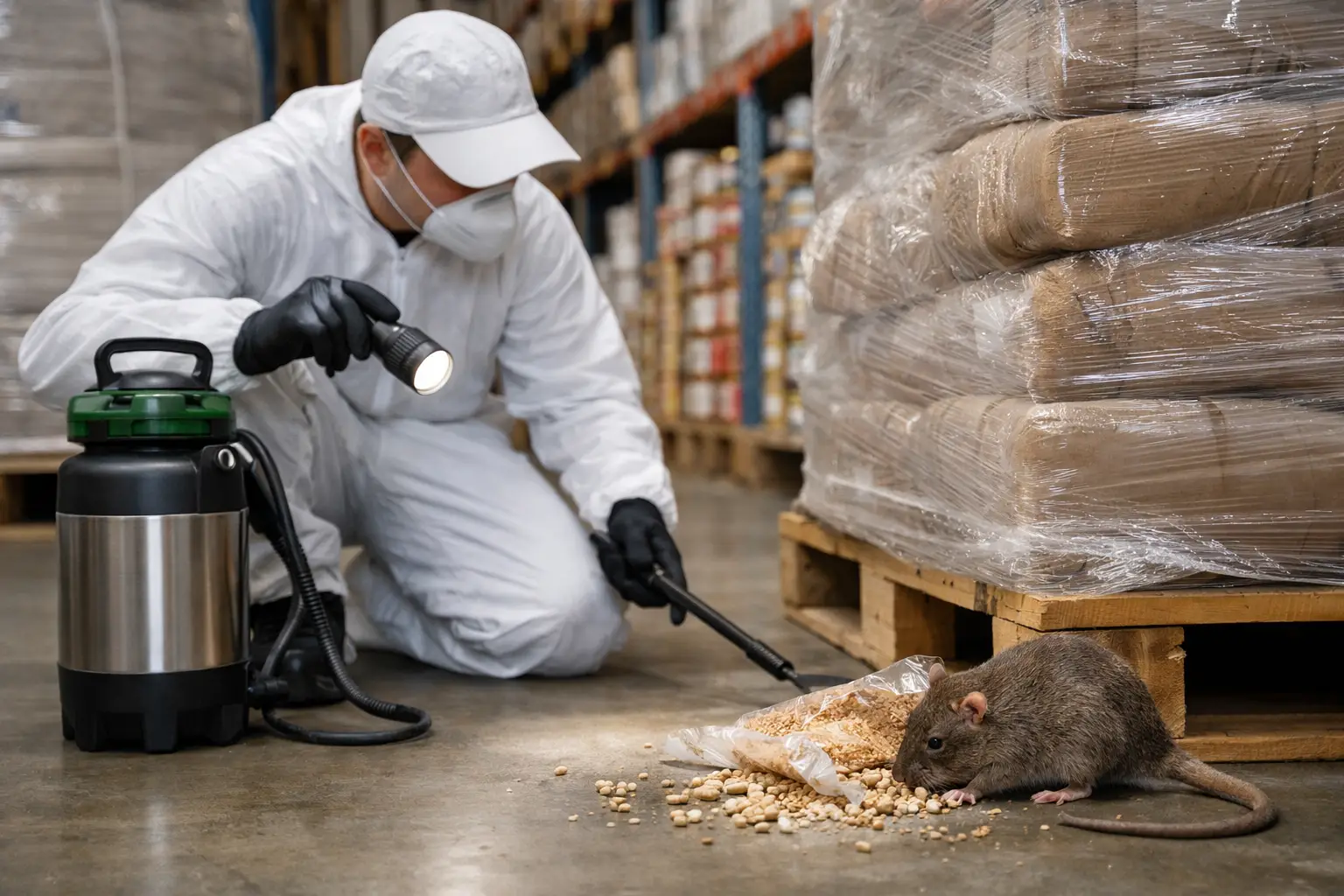
A single torn food bag behind a shelf can create a much bigger problem than spoiled inventory. It can attract cockroaches, rodents, ants, and pantry pests, putting food safety, customer confidence, and daily operations at risk. Knowing how to protect food stock means treating storage areas as part of your pest prevention plan, not simply a place to keep supplies.
For households, this protects the food your family consumes. For restaurants, retail outlets, offices, warehouses, and industrial facilities, it also protects compliance standards, product quality, and business reputation. The most reliable approach combines disciplined storage, routine cleaning, regular inspections, and prompt professional support when pest activity appears.
How to Protect Food Stock With Better Storage
Food should be stored in containers that pests cannot easily enter. Cardboard cartons, thin plastic bags, and loosely folded packaging are convenient, but they are not secure barriers against rodents or cockroaches. Rodents can gnaw through many common packaging materials, while cockroaches and pantry insects can enter through small openings or feed on spills trapped in folds and seams.
Transfer dry goods such as rice, flour, cereal, grains, pet food, sugar, and spices into tightly sealed containers as soon as practical. Food-grade containers with secure lids are the better choice. In commercial settings, keep products in their original labeled packaging where required, but place opened packs in sealed secondary containers and clearly label them with receiving and opening dates.
Store food off the floor and away from walls. Shelving makes it easier to clean, inspect, and identify droppings, gnaw marks, insect activity, or damaged packaging. A clear gap around stored goods also removes the hidden, undisturbed spaces that pests prefer. Avoid packing shelves so tightly that staff cannot see behind or beneath stock.
First-in, first-out stock rotation is equally valuable for pest prevention. Older stock that sits forgotten in a corner is more likely to deteriorate, leak, or become a food source for pests. Rotate inventory consistently, remove expired products promptly, and inspect cartons before moving new deliveries into storage.
Control the Food Sources Pests Find First
Pests do not need an open bag of food to survive. A small amount of flour under a rack, grease beneath a kitchen appliance, crumbs in a drawer, or a leaking beverage container may be enough to sustain an infestation. Good sanitation is therefore one of the strongest defenses for food stock.
Clean spills as they happen rather than leaving them for the end of a shift. Pay close attention to hard-to-reach areas, including beneath shelving, around refrigerators, behind appliances, inside cabinet corners, and under pallet racking. These are common areas for food debris to collect unnoticed.
Waste management matters just as much. Use bins with close-fitting lids, empty them regularly, and clean the bins themselves. Waste storage areas should be kept orderly, dry, and separated from food storage whenever possible. Overflowing garbage, unwashed recyclables, and discarded cartons can create shelter and feeding opportunities close to your inventory.
Moisture also supports pest activity. Cockroaches are especially drawn to damp areas near drains, sinks, pipework, and refrigeration units. Fix leaks quickly, wipe down wet surfaces, and avoid leaving standing water in trays, buckets, or cleaning equipment. Dry, clean storage areas are less attractive and make early pest signs easier to spot.
Inspect Deliveries Before They Enter Storage
Pests can arrive with incoming supplies. A delivery may contain damaged cartons, pantry insects, rodent contamination, or cockroach egg cases hidden in folds and crevices. This does not mean every delivery is unsafe, but it does mean receiving checks should be part of a practical prevention routine.
Before moving items into your main food storage area, look for tears, chew marks, stains, webbing, live insects, droppings, and unusual odors. Check the underside of cartons and the corners where pests may shelter. Reject or isolate visibly compromised goods according to your internal food safety procedures.
In F&B and retail environments, designate a clean receiving area that can be inspected before stock is brought inside. Avoid allowing empty cartons to accumulate in kitchens, storerooms, or back-of-house corridors. Cardboard can provide temporary harborage for cockroaches, particularly when it is damp or left undisturbed.
Seal the Routes That Lead to Your Food
Even the best containers cannot solve a pest problem if rodents and insects can enter the building freely. Examine the areas around storerooms, kitchens, loading bays, utility rooms, and waste points. Small gaps around pipes, cables, doors, vents, and wall junctions can become access routes.
Door sweeps should fit properly, screens should be intact, and exterior doors should not be left open longer than necessary. Seal gaps around service penetrations with suitable materials, especially where pipework enters food preparation or storage areas. Drain covers should be secure and maintained, since drains may support cockroach activity when they are dirty or poorly sealed.
Outdoor conditions can influence indoor pest pressure. Overgrown vegetation, clutter near building walls, standing water, and poorly managed waste areas may encourage pests to remain close to the property. Keeping the perimeter clean and orderly reduces the chance of pests finding their way toward food stock.
Train Staff and Households to Notice Early Signs
Food protection procedures work best when the people using the space know what to report. A staff member who sees a single cockroach near a dry goods shelf, a homeowner who finds chewed pet-food packaging, or a storekeeper who notices small beetles in flour should not assume the issue will disappear on its own.
Common warning signs include droppings, grease marks along walls, gnawed packaging, shed insect skins, webbing in dry products, unexplained product loss, and persistent musty odors. Cockroaches may be most visible at night, while rodent activity is often identified by droppings, damaged goods, or noises in ceilings and walls.
Keep a simple reporting process in place. In a business, staff should know who to notify, where affected stock should be isolated, and how the incident will be recorded. At home, place suspicious food in a sealed bag, inspect nearby products, and clean the surrounding cabinet or shelf thoroughly. Do not move potentially infested items into another storage area, as this can spread the problem.
When Food Stock Needs Professional Pest Control
A pest sighting near food should be taken seriously, particularly if there are repeated sightings, damaged packaging, droppings, or signs across more than one area. Surface cleaning and store-bought products may reduce visible activity, but they often do not address nesting sites, entry points, or the conditions allowing pests to return.
Professional pest management provides a clearer assessment of the problem. A trained technician can inspect likely harborages, identify the pest involved, assess contamination risks, and recommend targeted treatment and prevention measures. For food businesses, the right service plan should also support hygiene practices with minimal disruption to operations.
Servcare applies inspection-led pest management backed by professional expertise and long-term prevention measures. The goal is not simply to remove visible pests, but to reduce the conditions that expose food stock to recurring activity.
Protecting food stock is an ongoing discipline, not a one-time cleanup. When storage stays sealed, shelves stay clean, stock keeps moving, and early warning signs are acted on quickly, your food areas remain easier to manage and far less inviting to pests.