


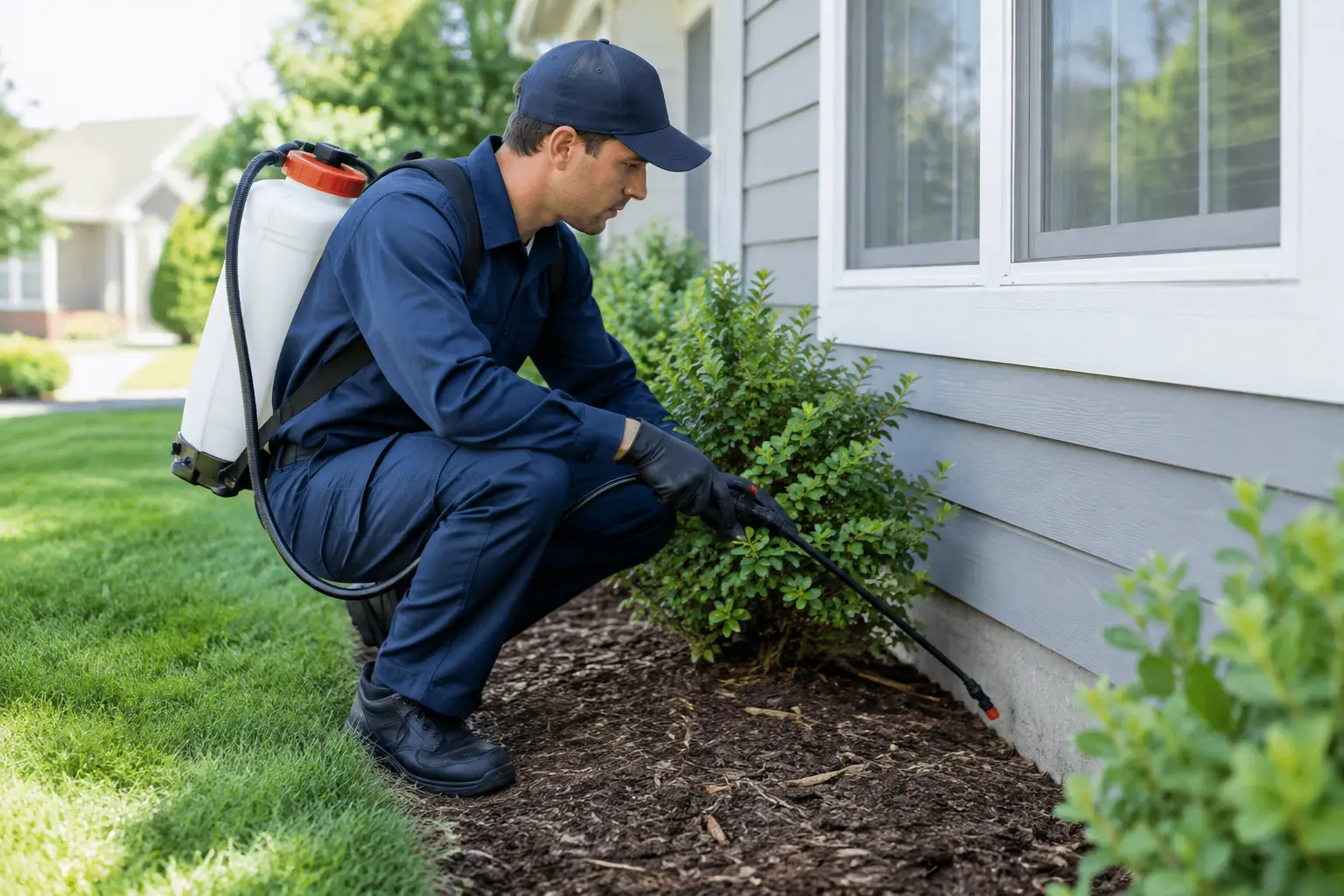
A cockroach found beneath a kitchen sink, mosquito activity around a property, or rodent droppings in a storeroom may look like isolated problems. Often, they are signs of a larger issue involving food, moisture, access points, or hidden nesting areas. The benefits of licensed pest control begin with seeing the full picture, then treating the source without creating unnecessary risk for people, pets, products, or daily operations.
For households, this means greater confidence that the home is being protected properly. For businesses, especially F&B, retail, office, and industrial sites, it means responding to pest activity in a way that supports hygiene standards, customer trust, and operational continuity.
Benefits of Licensed Pest Control Beyond a Quick Spray
A licensed pest control provider is trained to assess pest behavior, infestation conditions, treatment options, and safety requirements before recommending a solution. This is very different from applying a general pesticide and hoping the activity stops.
Pests rarely remain where they are first seen. Cockroaches may be nesting inside cabinet voids, electrical areas, floor drains, or shared service ducts. Rodents can travel through false ceilings, pipe penetrations, and loading areas. Subterranean termites often work out of sight, damaging timber from below before obvious signs appear. Licensed professionals are equipped to inspect these likely pathways and identify what is allowing pests to survive.
The result is a more targeted response. Rather than relying on excessive product use, a professional can select treatment methods that match the pest, the level of activity, and the environment. That matters in homes with children or pets, as well as in commercial premises where food handling, stock protection, and employee safety are central concerns.
Safer Decisions Around Treatment and Product Use
Pesticides are useful tools, but they must be handled with care. The wrong product, dosage, placement, or application method can fail to resolve the infestation and may expose occupants to avoidable risks. Licensed technicians understand how to use professional-grade products according to approved procedures and site conditions.
Safety also involves the preparation and follow-up around a treatment. A dependable provider should explain what needs to be moved, covered, cleaned, or kept away from treated areas. They should also advise when normal access can resume and what signs to monitor afterward. Clear guidance helps families and staff feel reassured rather than uncertain about what has been applied in their space.
Eco-conscious pest management does not always mean no treatment is needed. It means using practical measures first where appropriate, such as sanitation improvements, exclusion work, monitoring, habitat reduction, and targeted applications. The right balance depends on the pest pressure and the property. An active termite colony, for example, requires a different response from occasional ants entering through a window gap.
Better Identification Leads to Better Results
Not every crawling insect is a cockroach, and not every bite complaint is caused by mosquitoes. Misidentification is one reason do-it-yourself treatments can become repetitive and frustrating. A licensed provider has the technical knowledge to distinguish between pests with similar signs and recommend a treatment plan based on evidence rather than guesswork.
This is especially valuable when the issue keeps returning. Repeated cockroach sightings may point to hidden harborages or nearby sources of moisture. Persistent rodent activity may mean a building has unsealed entry points, poor waste management practices, or gaps around utility lines. Mosquito concerns can be linked to overlooked water-holding containers, drains, or landscaped areas. The pest seen is only one part of the problem.
At Servcare, field experience is supported by science-backed methods and entomologist guidance, helping clients receive practical recommendations suited to their premises. This level of support is useful when an infestation is complex, widespread, or affecting a sensitive environment.
Protection for Health, Reputation, and Property
Pest problems carry different consequences depending on the setting. In a home, they can affect comfort, sleep, food hygiene, and peace of mind. In a business, the impact may extend to customer complaints, failed inspections, damaged inventory, disrupted work, and reputational harm.
Cockroaches and rodents can contaminate food-contact areas and stored goods. Mosquitoes create health concerns and can make outdoor or common areas unpleasant to use. Termites are a property risk because they may damage timber elements quietly over time. Early, professional action can limit the scale and cost of the problem.
For commercial operators, licensed pest control also creates a more accountable process. Inspection findings, service reports, monitoring records, and recommendations can support internal hygiene programs and demonstrate that pest activity is being managed responsibly. The exact documentation needed varies by industry, but a clear service trail is valuable for facility managers and business owners alike.
Long-Term Prevention Is Where the Value Builds
The strongest pest control plans do not end after one treatment. They reduce the conditions that encourage pests to return. This is why inspection and prevention should be treated as essential parts of the service, not optional extras.
A prevention plan may include sealing entry points, improving waste storage, correcting moisture issues, removing clutter near vulnerable areas, maintaining drain hygiene, or adjusting monitoring locations. These actions are often simple, but they are more effective when based on a professional site assessment.
Ongoing service is particularly helpful for properties with recurring exposure. Restaurants and food preparation areas manage deliveries, waste, and food sources every day. Warehouses may have large loading zones and frequent goods movement. Multi-unit buildings can have shared pipes and service routes that allow pests to move between spaces. In these cases, regular monitoring can identify early activity before it develops into a costly infestation.
There is a trade-off to consider. A one-time treatment may appear less expensive at first, but it may not address access points, breeding conditions, or pest activity beyond the visible area. A tailored program can require more planning, yet it is often the more reliable choice for properties facing repeat issues or higher hygiene expectations.
Why Licensing Matters in Singapore
In Singapore, engaging an NEA-licensed pest control company gives property owners and operators an added level of assurance. Licensing reflects a commitment to regulated standards, trained personnel, and appropriate pest management practices.
It does not mean every pest issue has an instant solution. Some infestations need multiple visits, and some preventive improvements depend on building conditions or operational changes. What licensing does provide is a professional framework: proper assessment, responsible treatment, clear communication, and follow-through.
When comparing providers, ask how they inspect the site, what treatment approach they recommend, how they protect occupants, and what prevention steps are included. Be cautious of promises that sound too simple for a complex infestation. A trustworthy provider explains the likely cause, sets realistic expectations, and gives you a clear path forward.
Choosing a Partner for Ongoing Peace of Mind
The right pest control company should make the process feel organized and manageable. You should know what is happening, why it is necessary, and what you can do between visits to support the result. This partnership matters because pest control works best when professional treatment and property care work together.
If pest activity is affecting your home, workplace, or customer-facing premises, do not wait for the visible signs to multiply. Arrange a professional inspection, ask practical questions, and choose a licensed team that treats prevention as seriously as treatment. A well-managed property is not simply one where pests are removed today – it is one where the conditions that invite them are steadily reduced tomorrow.