

A pest problem rarely starts as a big problem. It begins with a few cockroaches seen near the sink, a line of ants along a wall, mosquito activity around entry points, or scratching sounds that keep returning at night. At that stage, many property owners are not just asking how to remove pests. They are asking whether an eco friendly pest control service can solve the issue without creating new concerns around safety, disruption, or repeated chemical use.
That is the right question to ask. Effective pest control is not only about what gets applied. It is about how the problem is assessed, how treatment is targeted, and whether the service is built to reduce future pest pressure rather than chase the same infestation again and again.
What an eco friendly pest control service really means
The term gets used loosely, so it helps to be precise. An eco friendly pest control service does not mean a weak treatment or a purely natural remedy that fails under real infestation conditions. It means using methods that are intentional, measured, and designed to control pests while reducing unnecessary exposure to people, pets, food areas, and the surrounding environment.
In practice, that usually involves a combination of inspection, pest identification, targeted treatment, exclusion work, sanitation advice, and monitoring. Instead of relying on blanket spraying everywhere, a professional team focuses on where pests are breeding, feeding, nesting, or entering. That difference matters. It improves results and often lowers the amount of product needed.
For homes, this approach supports family safety and day-to-day comfort. For businesses, especially in food, retail, office, and industrial settings, it supports hygiene standards, operational continuity, and reputation.
Why safer pest control is not the same as softer pest control
One common concern is whether eco-conscious treatment is less effective. The answer depends on the provider and the pest involved, but safer treatment does not automatically mean compromised control.
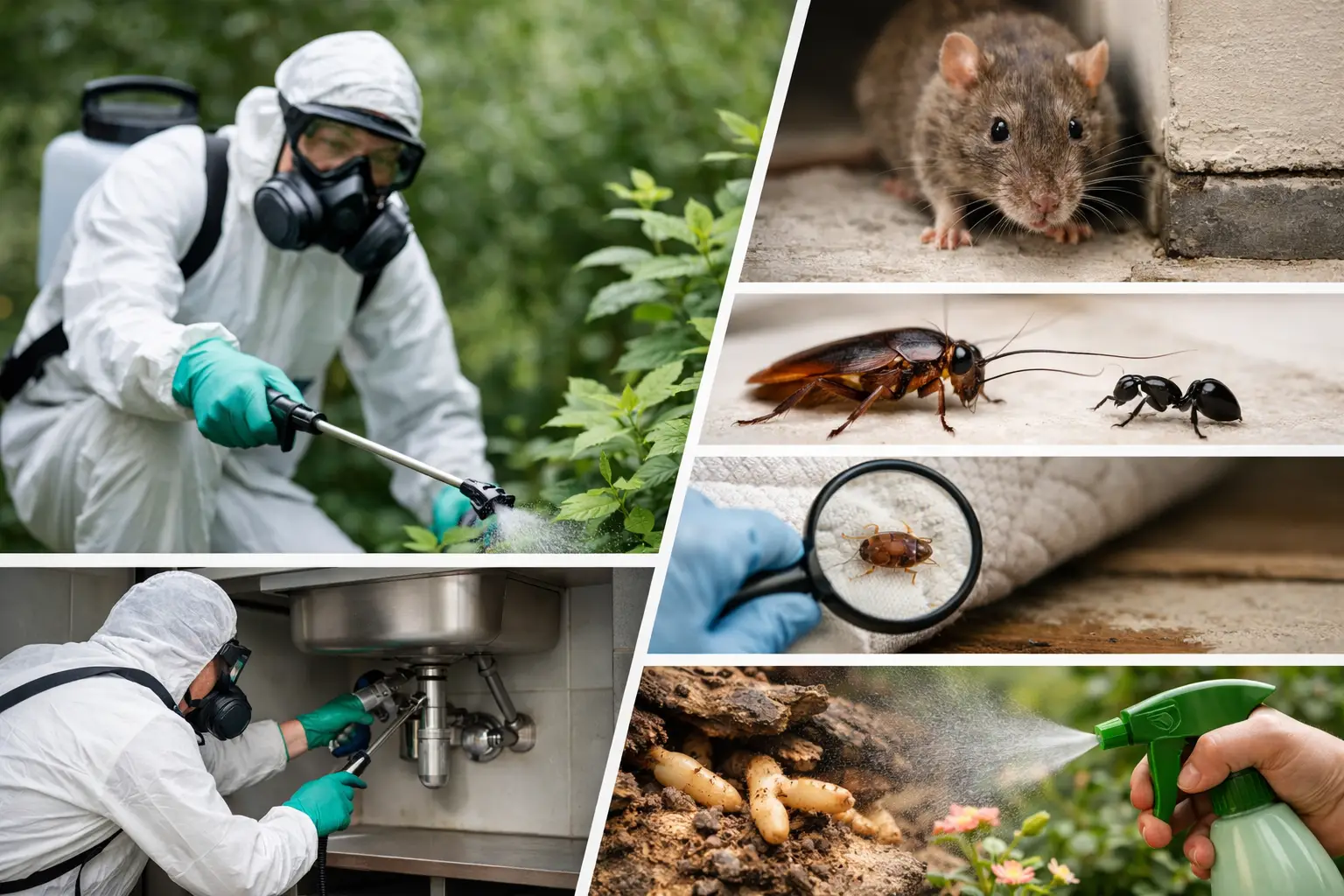
A professional service should match the method to the pest. Cockroach control may require gel baits placed in precise harborages rather than broad surface treatment. Rodent control may center on inspection, proofing, trapping strategy, and careful placement of control points. Mosquito management often depends on identifying breeding sources and interrupting the life cycle, not simply fogging the area and hoping for short-term relief. Subterranean termite control calls for technical planning because the goal is to protect the structure, not just the visible signs.
The strongest results often come from this kind of disciplined approach. It is less about doing more and more about doing the right things in the right places.
How professional providers keep eco friendly pest control service standards practical
A credible provider does not rely on marketing language alone. The service should be backed by process, technical judgment, and clear communication.
It starts with inspection. Before any treatment is recommended, the technician should assess pest activity, likely nesting sites, moisture conditions, food sources, structural gaps, and the severity of infestation. That step is essential because the same pest can behave very differently across a condo kitchen, a restaurant storeroom, a warehouse, or an office pantry.
The next part is treatment selection. This is where professionalism shows. A well-run pest management company chooses products and methods based on the pest species, the site conditions, and the risk profile of the premises. Sensitive environments such as homes with young children, food handling areas, and high-traffic commercial spaces need careful planning.
Then comes prevention. This is the part many people skip when they think about pest control, but it is often what determines whether the problem stays away. Recommendations might include sealing access points, correcting drainage issues, improving waste handling, reducing clutter, adjusting storage practices, or changing cleaning routines around hidden pest hotspots.
The pests where eco-conscious strategy matters most
Some pests respond particularly well to prevention-led treatment.
Cockroaches
Cockroaches thrive where food, moisture, and shelter are easy to access. In many cases, targeted baiting and habitat reduction are more effective than repeated indiscriminate spraying. Overuse of the wrong treatment can even make control harder if it scatters the infestation or leads to bait avoidance.
Mosquitoes
Mosquito control is rarely solved by one treatment alone. Breeding source reduction is a major part of any long-term plan. That may involve checking drains, planters, roof gutters, water collection points, and shaded outdoor areas where moisture remains. If this step is ignored, mosquito activity tends to return quickly.
Rodents
Rodent problems often point to entry issues, shelter opportunities, or poor waste control. A greener, more responsible strategy focuses on eliminating access and harborage while using control tools carefully and appropriately. This is especially important in sites where food safety or public access is a factor.
Subterranean termites
Termites are a good example of why eco-friendly does not mean casual. A treatment plan must protect the building effectively while being technically sound. That can include focused intervention around the structure, monitoring, and recommendations that reduce conditions attractive to termite activity, such as moisture intrusion or untreated wood-to-soil contact.
What to ask before hiring a provider
If you are comparing companies, it helps to go beyond broad claims. Ask how they inspect, how they choose treatment methods, and how they reduce unnecessary chemical use without weakening results. A dependable provider should be able to explain the reasoning behind the plan in plain language.
You should also ask whether the service includes follow-up and prevention guidance. Pest control that ends with a single visit may be enough for a minor issue, but recurring infestations usually require a broader management plan. That is especially true for commercial environments and multifamily properties where pest pressure can be ongoing.
Credentials matter as well. Licensing, trained technicians, and access to professional-grade products all support more consistent outcomes. When a company also draws on entomology-based insight, that is a good sign that treatment decisions are grounded in pest behavior rather than guesswork.
When eco friendly pest control service is the better business decision
For commercial clients, safer and more targeted pest management is not just about preference. It can be the more practical operating choice.
In offices, less disruptive treatment helps protect staff comfort and avoids unnecessary interruption. In food businesses, precise treatment and prevention support hygiene expectations and help reduce contamination risk. In retail and hospitality settings, a controlled and professional approach matters because visible pest issues can quickly damage customer confidence. In industrial environments, pest activity can affect stored goods, workflow, and compliance expectations.
The trade-off is that a prevention-focused program may require more cooperation from the site. Cleaning practices, maintenance issues, waste control, and housekeeping standards all play a role. But that is not a weakness in the method. It is part of why the results are usually more sustainable.
What good service feels like from the customer side
A reliable pest management provider should make the process clearer, not more stressful. That means explaining the issue, setting realistic expectations, identifying what can be fixed immediately, and outlining what will take longer.
Not every infestation disappears overnight. Heavy cockroach activity, hidden rodent movement, or established termite risk may need phased treatment and monitoring. A professional team should say that upfront. Reassurance is important, but so is honesty.
This is also where customer service matters. Property owners and managers need confidence that the work is being handled carefully, safely, and with attention to the specific risks of the site. That confidence comes from consistency, technical competence, and a service model built around protection rather than quick appearance-based results.
For many clients, that is the real value of working with an experienced company such as Servcare. The goal is not simply to apply treatment. It is to assess the problem properly, control it with care, and reduce the chance of it returning.
Choosing long-term protection over short-term relief
If you are dealing with pests, the fastest-looking option is not always the best one. A heavy treatment that ignores breeding sites, entry points, and environmental conditions may give brief relief while leaving the root cause untouched.
An eco friendly pest control service makes more sense when you want results that hold up over time. It balances safety with effectiveness, uses treatment where it matters most, and treats prevention as part of the solution rather than an afterthought.
The best time to ask for that kind of service is early, before a manageable pest issue becomes a larger health, hygiene, or property problem.