


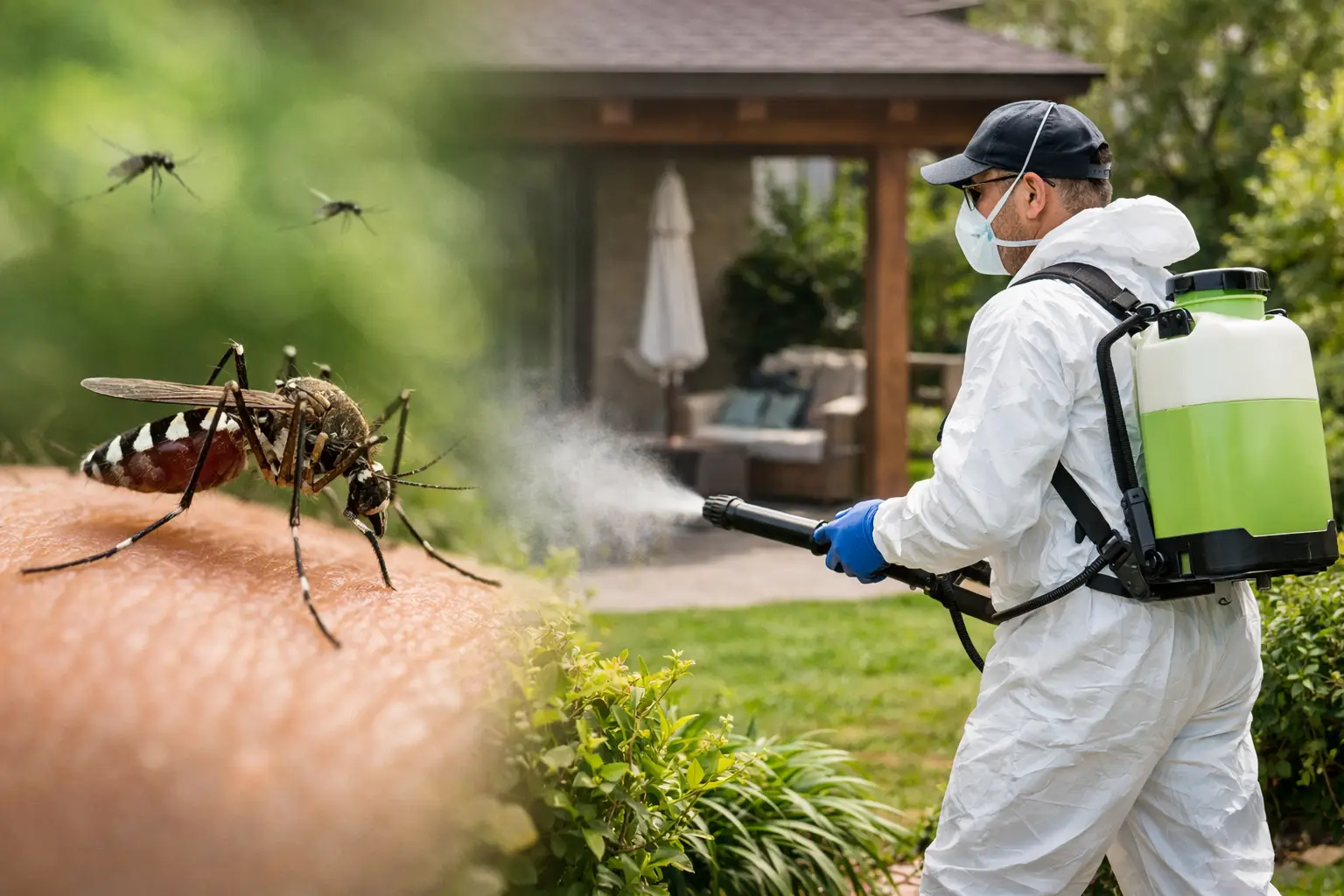
One evening outside should not turn into a constant battle with bites. Effective mosquito control for backyard spaces starts by understanding why mosquitoes keep returning, where they breed, and what actually reduces activity for more than a day or two.
For most properties, the problem is not just the mosquitoes you can see. It is the breeding cycle happening quietly in clogged drains, saucers under pots, roof gutters, and any container that holds water after rain. A backyard can look clean and still support mosquito activity if even a few hidden spots stay damp long enough for larvae to develop.
Why backyard mosquito problems keep coming back
Mosquitoes are persistent because backyards naturally give them what they need – moisture, shade, resting areas, and nearby people or pets to feed on. If a property has dense planting, outdoor seating, poor drainage, or decorative items that trap water, the environment becomes much more attractive to them.
This is also why one-off DIY efforts often disappoint. Spraying a store-bought aerosol may knock down a few adult mosquitoes, but it does little for eggs and larvae already developing nearby. If the breeding source remains, the relief is usually temporary.
Another factor is movement from neighboring areas. Even a well-maintained yard can still experience mosquito pressure if adjacent properties have standing water or unmanaged vegetation. That does not mean backyard control is pointless. It means the most reliable approach is to reduce breeding on your property, make the yard less hospitable, and use targeted treatment when mosquito activity is already established.
Mosquito control for backyard areas starts with water
The most effective first step is simple: remove or manage standing water. Mosquitoes do not need ponds or large puddles. A shallow amount of water in a tray, bucket, toy, or blocked drain can be enough.
Walk the backyard slowly and inspect it as if you were looking for anything that can collect water for several days. Common trouble spots include plant trays, watering cans, tarps, clogged gutters, drain covers, birdbaths, unused pots, bins, and low points in the ground where rainwater lingers. If you have outdoor furniture with hollow frames or covers that sag, those can also become collection points.
Some water sources cannot simply be removed. Decorative water features, rain collection systems, and certain drainage structures may need regular maintenance instead. In those cases, control depends on cleaning, circulation, and treatment methods that address larvae safely and appropriately.
Habitat changes that make a real difference
After water control, the next issue is shelter. Mosquitoes avoid harsh sun and wind during parts of the day, so they tend to rest in cool, shaded areas. Overgrown hedges, dense shrubs, cluttered storage corners, and damp zones around landscape edges can all support mosquito activity.
Trimming vegetation helps more than many people expect. Better airflow and reduced shade make it harder for mosquitoes to rest comfortably near patios, doors, and seating areas. It also improves visibility during inspection, which makes breeding sites easier to identify.
Outdoor housekeeping matters too. If items are left exposed for long periods, they often collect water or create hidden resting spaces. Keeping storage areas orderly, disposing of unused containers, and reducing yard clutter can noticeably improve results.
There is a trade-off, though. Many homeowners want privacy planting and lush landscaping, and those features can still be part of the yard. The key is maintenance. A heavily planted backyard is not automatically a mosquito problem, but it does require more attention to pruning, drainage, and treatment.
What DIY mosquito control can and cannot do
DIY mosquito control has a place, especially for early intervention and routine upkeep. If the issue is mild, residents may get some benefit from emptying water containers, cleaning drains, trimming plants, and using personal protection such as fans or repellents while outdoors.
But DIY methods have clear limits. Consumer sprays usually target exposed adult mosquitoes and may not reach hidden resting areas. Homeowners also tend to miss breeding pockets that are less obvious, such as internal drain chambers, roof drainage points, and concealed water traps around landscaping.
There is also the question of safety. Applying chemicals without a clear treatment plan can lead to overuse, poor placement, or ineffective results. In family homes, pet areas, and shared-use outdoor spaces, the method matters just as much as the product.
This is where professional mosquito control becomes more than convenience. It adds inspection depth, treatment precision, and a prevention strategy designed around the specific property rather than a generic spray-and-go approach.
When professional mosquito control for backyard problems is the better option
If mosquitoes are active every evening, if bites are frequent despite cleanup efforts, or if the problem keeps returning after rain, it is usually time for a professional inspection. Commercial properties, F&B spaces, and facilities with outdoor seating should also act early because mosquito activity affects comfort, hygiene expectations, and customer perception.
A professional service does not start with spraying. It starts with finding why the backyard is supporting mosquitoes in the first place. That means assessing drainage conditions, water-holding sites, vegetation density, structural features, and likely mosquito resting zones.
From there, treatment can be tailored. Depending on the situation, this may involve larval control in breeding areas, targeted adult mosquito treatment in resting sites, and recommendations for habitat correction. The advantage of this approach is that it addresses the life cycle, not just the visible symptom.
For many properties, this is the difference between short relief and meaningful reduction. It also supports long-term prevention, which matters because mosquitoes can rebound quickly when conditions are favorable.
What to expect from a proper backyard mosquito treatment plan
A sound treatment plan should be clear, measured, and focused on results that last. First, the inspection identifies active and potential breeding sites. Then the treatment targets those areas using methods suited to the site conditions and risk level.
Professional-grade mosquito control should also take safety seriously. That includes responsible product selection, proper application, and practical guidance on how to reduce future breeding around the yard. For homes, this helps protect family use of the outdoor space. For businesses and managed properties, it helps maintain standards with minimal disruption.
No responsible provider should promise that mosquitoes will disappear forever after one visit. Weather, neighboring conditions, and the layout of the property all influence outcomes. What a professional program should do is reduce active populations, interrupt breeding, and give you a realistic prevention plan.
That honesty matters. Some backyards improve quickly after source removal and targeted treatment. Others need follow-up because the problem is tied to recurring drainage issues, surrounding vegetation, or external mosquito pressure from nearby areas.
Protecting family, guests, and day-to-day comfort
Mosquito control is often treated as a comfort issue until bites become constant or concerns about mosquito-borne disease enter the picture. In reality, both matter. A backyard that cannot be used comfortably affects daily life, but the health risk is what makes proper control worth taking seriously.
For households, the goal is simple: make the outdoor space safer and more usable. For businesses, schools, and facility managers, the goal expands to protecting occupants, maintaining confidence, and avoiding preventable complaints. In both cases, reactive spraying alone is rarely enough.
A better standard is prevention-led control backed by inspection and technical judgment. That is the approach professional providers such as Servcare are built around – identifying risk areas, applying appropriate treatment, and helping customers reduce the conditions that allow mosquitoes to return.
How to keep mosquito activity low after treatment
Even after successful treatment, maintenance is what protects the result. Backyard conditions change quickly with weather, irrigation, and landscaping growth. A property that was under control last month can become attractive again after a stretch of rain.
It helps to build a simple habit of checking water-holding points weekly, especially after storms. Keep drains clear, empty containers, refresh or maintain water features properly, and trim planting before it becomes dense enough to trap moisture and shade. If outdoor biting suddenly increases again, do not wait too long to investigate. Early action is usually easier and more effective than trying to manage a larger rebound later.
The best backyard is one you can actually use without hesitation. When mosquito control is handled properly, outdoor spaces become more comfortable, more reliable, and far less stressful to maintain.