

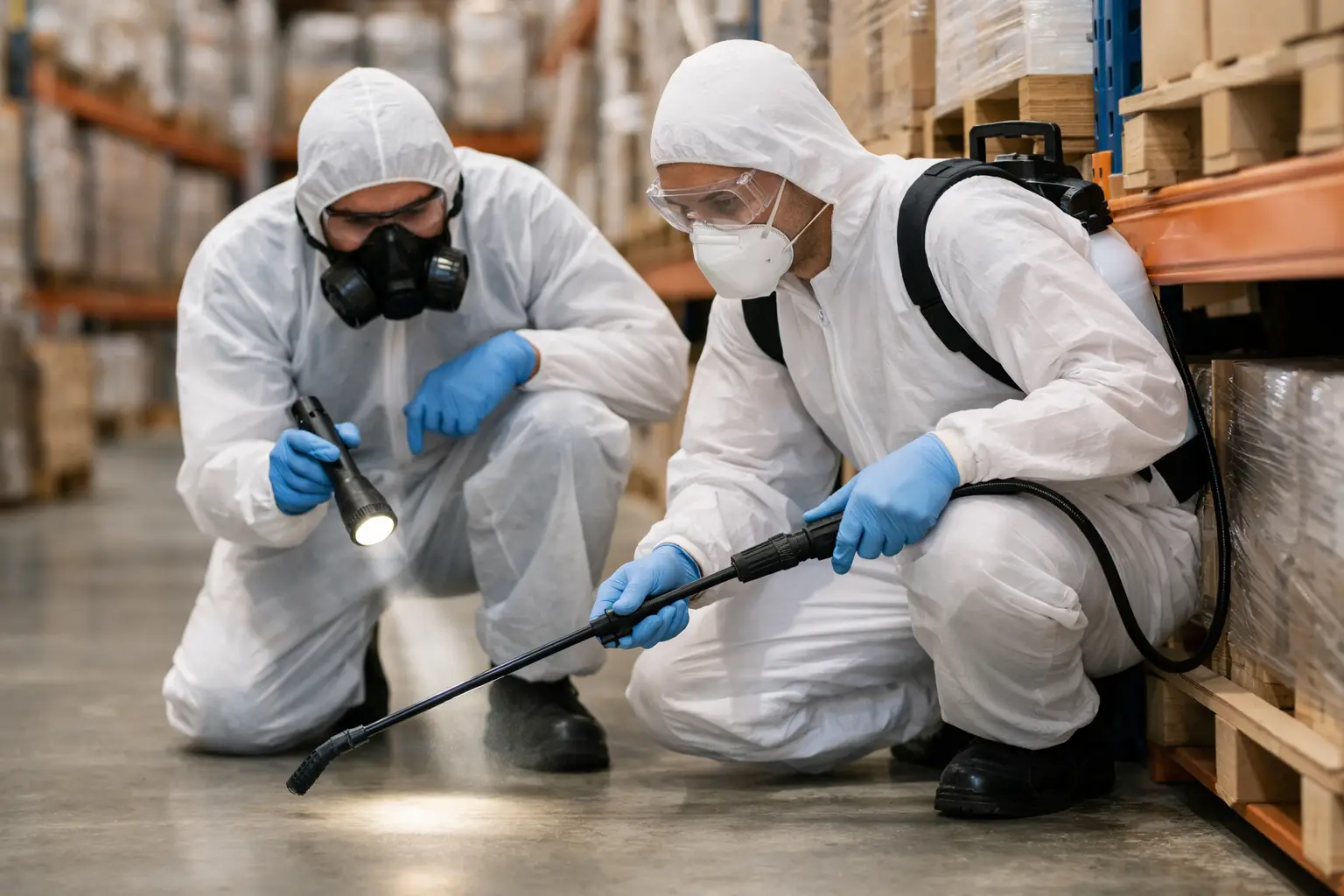
A single gnawed carton, droppings beneath a pallet rack, or flies around a receiving bay can quickly become more than a housekeeping issue. Pest control for warehouses protects inventory, employee safety, customer confidence, and the continuity of daily operations. The most effective approach does not rely on occasional spraying. It identifies how pests enter, what sustains them, and where activity can grow unnoticed.
Why Pest Control for Warehouses Requires a Different Approach
Warehouses give pests exactly what they need: sheltered space, hidden harborages, regular deliveries, and often access to food, water, or packaging materials. Rodents may travel along walls, utility lines, and pallet racking. Cockroaches can hide in break rooms, electrical panels, drains, and gaps around equipment. Flies may develop where waste, moisture, or organic residue is not managed closely.
The scale of a warehouse makes early detection especially important. A small issue near a loading dock can move through storage areas, staff facilities, and adjoining units before anyone sees obvious signs. In facilities storing food, beverages, pharmaceuticals, or sensitive products, even limited pest activity can create contamination concerns and affect audit readiness.
The right program depends on the site. A dry goods warehouse has different risks from a cold storage facility, an e-commerce fulfillment center, or an industrial warehouse with frequent vehicle movement. A professional inspection should account for the building layout, product type, delivery patterns, neighboring properties, waste handling, and known pest history before treatment begins.
Start With a Thorough Site Inspection
Effective warehouse pest management starts by looking beyond the visible pest. A technician should inspect external walls, dock doors, rooflines, drains, utility penetrations, storage zones, staff areas, waste points, and perimeter vegetation. The goal is to identify pest pressure, likely entry routes, conducive conditions, and areas where activity may be hidden.
For rodents, this includes checking for rub marks, droppings, gnawing, burrows, and gaps around doors or pipes. For cockroaches, inspections focus on warm, dark spaces with moisture or food residue. For flying insects, the source may be outside the building, in drains, around waste compactors, or in standing water near the premises.
Inspection findings should lead to a clear action plan, not a generic treatment schedule. If rodents are entering through a damaged dock seal, bait alone will not provide lasting control. If cockroaches are being carried in with incoming cartons, treatment must be paired with receiving checks and improved stock handling.
Receiving Areas Need Special Attention
Loading docks are one of the most common entry points in a warehouse. Doors may stay open for extended periods, deliveries arrive from many sources, and damaged packaging can introduce pests directly into the facility. Pallets, cardboard, and returned goods can also provide temporary shelter for cockroaches and rodents.
Staff should inspect incoming shipments for signs such as droppings, insect activity, torn cartons, webbing, or unusual odors. Suspect items should be isolated promptly rather than moved into general storage. This simple discipline can prevent a localized issue from becoming a site-wide infestation.
Remove the Conditions That Keep Pests Active
Treatment is necessary when pests are present, but prevention depends heavily on daily warehouse practices. Pests remain where food, water, shelter, and access are available. Removing those conditions reduces pressure on the building and improves the results of professional control measures.
Good sanitation is not limited to sweeping floors. Spilled products should be cleaned promptly, especially around picking stations, vending areas, and break rooms. Waste should be contained in closed bins and removed on a reliable schedule. Leaks, condensation, and drainage problems should be addressed because moisture supports cockroaches, flies, and other pests.
Storage practices matter as well. Keeping pallets elevated and allowing reasonable clearance from walls makes inspections easier and reduces hiding spaces. Overstocked corners, unused equipment, and long-forgotten cartons create harborages that are difficult to treat and monitor. Warehouse teams do not need to create an empty facility, but they do need to make pest-prone areas accessible and visible.
Exclusion Stops Pests Before They Reach Inventory
Exclusion is often the most cost-effective part of a warehouse pest program. It means closing the gaps pests use to get inside. A mouse can enter through an opening about the width of a pencil, while insects can exploit much smaller gaps around cable entries, vents, and door frames.
Dock doors should close properly and be fitted with effective seals. Damaged screens, cracked wall openings, missing vent covers, and gaps around plumbing or electrical conduits should be repaired or sealed with suitable materials. Exterior doors should not be propped open unless operations require it, and any door left open for loading should be monitored closely.
Outside conditions also influence pest activity indoors. Dense vegetation against exterior walls, unmanaged clutter, overflowing dumpsters, and standing water can attract pests close to the building. Keeping the perimeter clean and maintained reduces the chance that pests will find an easy route inside.
Use Monitoring to Catch Activity Early
A warehouse can look clean while pest activity develops in inaccessible spaces. That is why monitoring is central to long-term prevention. Professionally placed monitoring devices, traps, and insect monitors help reveal patterns before pests cause widespread product damage or create a compliance issue.
The value is not just in placing devices. It is in reviewing the findings. Repeated rodent activity near one dock, for example, may point to an exclusion problem or an outdoor harborage. Increased cockroach captures near a staff pantry may indicate sanitation or moisture concerns. Monitoring data allows treatment and prevention measures to be adjusted based on evidence.
Service reports should be easy for facility managers to understand. They should document activity, treatment performed, recommendations, and follow-up needs. This recordkeeping supports internal accountability and can be valuable when preparing for customer inspections, quality audits, or regulatory reviews.
Choose Treatment That Fits the Risk and the Site
When pests are confirmed, treatment should be targeted, safe, and suited to warehouse operations. Broad, unnecessary chemical application can disrupt work, create avoidable concerns, and fail to address the source of the problem. A trained pest management professional will select methods based on the pest, level of activity, product storage requirements, and operational constraints.
Rodent control may combine secure baiting systems, trapping, exclusion work, and exterior population reduction. Cockroach control may involve precise applications in harborages, insect monitors, sanitation recommendations, and follow-up visits to break the breeding cycle. Fly management may require drain treatment, waste-area improvements, exclusion, and carefully positioned monitoring tools.
There are trade-offs. A facility with strict product controls may need treatments scheduled around receiving or picking activity. A high-traffic warehouse may require tamper-resistant devices and coordination with safety teams. The best plan minimizes disruption without sacrificing effectiveness or safety.
Make Pest Prevention Part of Warehouse Operations
A pest management provider can inspect, treat, and monitor, but long-term control works best when warehouse teams know what to report. Employees should understand the early signs of rodent, cockroach, and fly activity, along with the importance of reporting issues immediately. A small observation can prevent a much larger operational problem.
Assign clear responsibility for sanitation, waste handling, door checks, and maintenance repairs. Facilities managers should also communicate planned construction, layout changes, new product lines, or drainage work to their pest control provider. These changes can alter pest pressure and may require updates to the control plan.
For multi-tenant or shared industrial sites, coordination is particularly important. Pests do not recognize unit boundaries. Activity in an adjacent tenant space, shared waste area, or common loading zone can affect the whole property, making early communication and consistent standards essential.
When to Call a Professional
Visible pests are an obvious reason to act, but they are not the only warning sign. Call for professional support when there are droppings, gnaw marks, damaged packaging, unusual insect sightings, foul odors, recurring fly activity, or unexplained stock losses. It is also wise to arrange an assessment before opening a new facility, after construction work, or when taking over a warehouse with an unknown pest history.
An experienced provider such as Servcare can build a tailored program around inspection, treatment, exclusion, sanitation guidance, and ongoing monitoring. The aim is not simply to remove pests from sight. It is to reduce the conditions that allow them to return.
A well-managed warehouse protects more than products on a shelf. It protects the people handling them, the standards your business is judged by, and the confidence customers place in every shipment that leaves your door.