


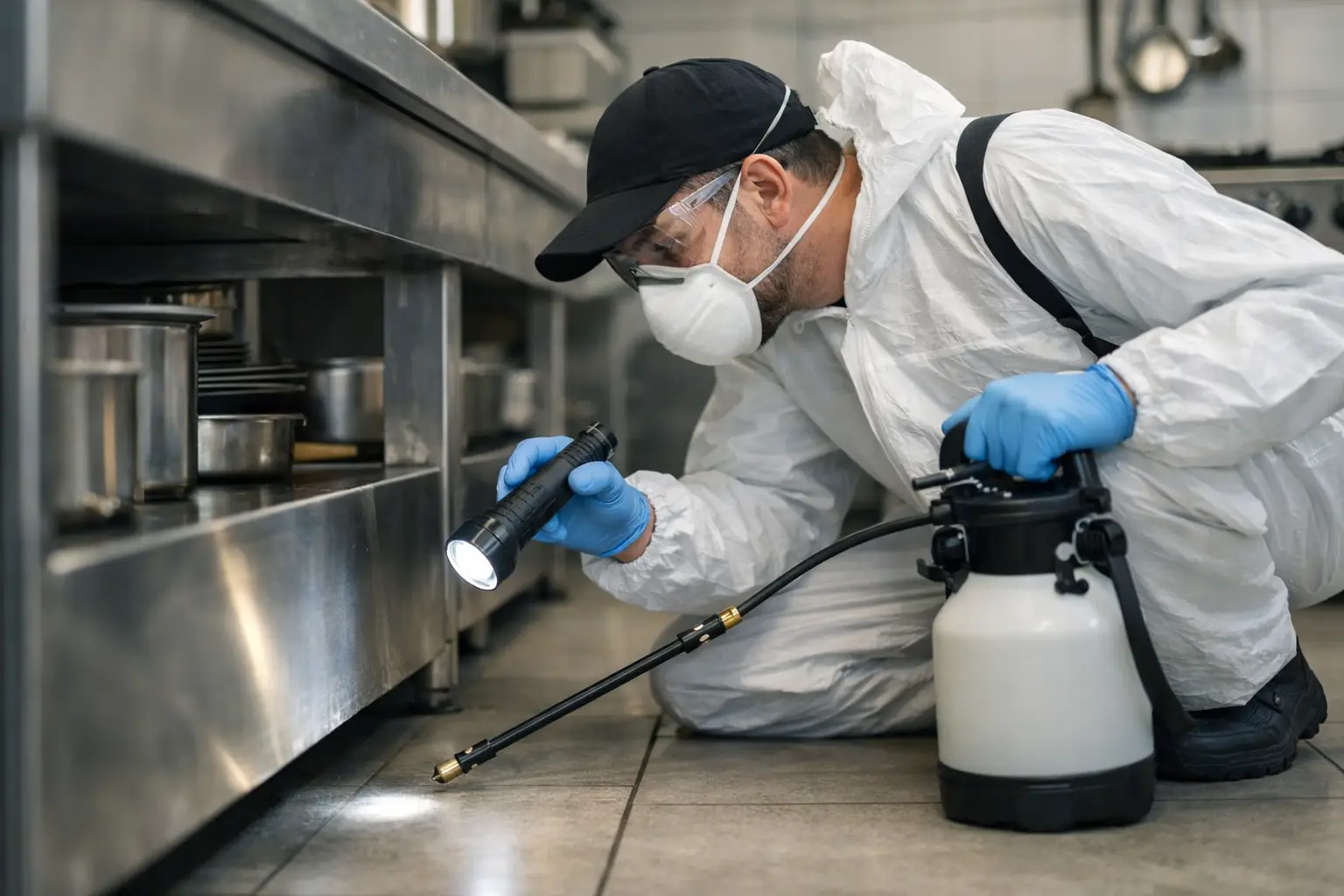
A single cockroach near the pass, droppings in a dry-store corner, or a rodent sighting by a customer can quickly become more than an operational inconvenience. This restaurant pest prevention checklist helps food-service teams identify the conditions that attract pests before they affect food safety, hygiene compliance, staff confidence, or your reputation.
Pest prevention is not a one-time deep clean or a response after activity is found. It is a daily operating discipline supported by routine inspections, clear ownership, and professional intervention when risks cannot be managed internally. The most effective programs focus on denying pests the food, water, shelter, and access they need to survive.
Restaurant Pest Prevention Checklist: Start With Daily Controls
Daily habits determine whether a small pest issue stays manageable or develops into an infestation. Assign these checks to named staff members rather than leaving them as general expectations. When responsibilities are clear, gaps are easier to spot and correct.
Keep food storage sealed and organized
All food should be stored in clean, sealed, pest-resistant containers whenever possible. Do not rely on opened cartons, loose bags, or damaged packaging, especially for dry goods such as flour, rice, sugar, spices, and pet food used in pet-friendly concepts. Keep stock off the floor and away from walls so staff can inspect behind and beneath shelving.
Follow first-in, first-out stock rotation. Forgotten ingredients create ideal harborages for cockroaches and stored-product pests, while spills beneath aging inventory can go unnoticed for weeks. Check deliveries before they enter storage areas. Reject goods with torn packaging, droppings, webbing, insect activity, or signs of moisture damage.
Remove food debris before closing
A kitchen can look clean while still providing enough residue to sustain pests overnight. Pay particular attention to grease buildup behind cooking equipment, crumbs under counters, food scraps in floor drains, and residue around beverage stations. Cockroaches need very little food to survive, and rodents will return to reliable food sources.
At closing, clean food-preparation surfaces, sweep and mop floors, empty internal waste bins, and remove organic waste from outdoor holding areas according to your collection schedule. Do not leave dirty utensils, soaking pans, or exposed food for the next shift. If cleaning tasks are rushed at the end of service, focus first on grease, waste, drains, and hard-to-reach areas.
Manage moisture and drainage
Water is often the missing piece in an otherwise tidy restaurant. Inspect sinks, ice machines, dishwashing areas, beverage lines, floor drains, and staff washrooms for leaks or standing water. Even a slow drip under a sink can support cockroach activity.
Keep floor drains clean and appropriately covered when not in use. Report blocked drains, damaged grouting, and recurring condensation promptly. Mosquito risks may also increase where water collects outdoors, such as in trays, containers, clogged gutters, or poorly drained areas near the premises.
Close Off Pest Entry Points
Pests do not always originate inside the restaurant. Deliveries, open doors, service penetrations, and gaps around utilities can provide an easy route in. Prevention works best when the building envelope is checked as carefully as the kitchen.
Inspect doors, windows, vents, pipe openings, ceiling voids, and utility lines regularly. Door sweeps should sit close to the floor, screens should be intact, and loading or back doors should not remain open longer than necessary. Seal gaps around pipes and wall penetrations with appropriate materials, particularly in storerooms, dishwashing areas, and garbage rooms.
Outdoor conditions matter too. Keep vegetation trimmed away from walls where practical, avoid storing unused equipment against the building, and remove clutter that can shelter rodents. Waste areas should be clean, covered, and positioned to minimize access to the building. A tidy exterior will not solve every pest problem, but it removes many of the conditions that allow activity to build unnoticed.
Use Waste Handling as a Prevention Measure
Garbage rooms and bin areas are frequent pressure points for food businesses. Overflowing bins, leaking bags, and residue around lids attract flies, cockroaches, and rodents, then create a path toward prep and storage areas.
Use durable bins with tight-fitting lids and liners that are changed before they tear or overflow. Clean bins on a planned schedule, including the exterior, wheels, lids, and surrounding floor. Staff should not leave cardboard, food containers, or used cooking-oil materials beside bins overnight.
Cardboard deserves particular attention. It can carry cockroaches or their egg cases into a facility and provides convenient hiding spaces. Break down and remove delivery cartons promptly. If space constraints make immediate removal difficult, designate a dry, monitored holding area away from food storage and production zones.
Inspect High-Risk Areas Every Week
A weekly inspection turns prevention into a measurable system. The goal is not for staff to identify every pest species. It is to recognize warning signs early and report them before contamination or visible activity occurs.
Check the following areas for droppings, smear marks, gnawing, shed skins, egg cases, unusual odors, dead insects, or live pest activity:
- Behind refrigerators, ovens, dishwashers, and beverage equipment
- Under sinks, inside cabinets, and around plumbing connections
- Dry stores, receiving areas, shelving, and unopened inventory
- Floor drains, grease traps, washrooms, and staff locker areas
- Garbage rooms, loading bays, outdoor seating edges, and perimeter walls
Document what was found, where it was found, and what action was taken. A repeated observation in the same location is useful information, even if no live pests are seen. It may indicate moisture, entry points, or a harborage that needs a closer professional inspection.
Train Staff to Report, Not Ignore
Restaurant teams are often the first to see early signs of pest activity. A practical reporting culture is more valuable than expecting staff to solve the issue themselves. Make it clear that reporting a sighting is the right action, not a failure.
Train employees to report pest activity immediately to the manager or designated food-safety lead. They should avoid spraying over-the-counter products in food areas, moving bait stations, or disturbing suspected nests and rodent activity. Improper use of pesticides can create safety concerns, interfere with monitoring, and push pests deeper into hidden areas.
Include pest-awareness training during onboarding and refresh it periodically. Kitchen crews, cleaners, receiving staff, and front-of-house teams all see different parts of the operation. A server noticing flies near a service station or a receiver spotting damaged cartons may provide the first useful warning.
Know When Professional Support Is Needed
Good housekeeping is essential, but it cannot always resolve an established infestation. Professional pest management is appropriate when there are repeated sightings, recurring droppings, active cockroaches during daylight, rodent gnaw marks, unexplained food damage, or persistent flies despite cleaning efforts.
A qualified pest-control provider should begin with an inspection, identify likely species and contributing conditions, and recommend a treatment plan suited to a food-service environment. The right approach may include monitoring devices, targeted treatments, exclusion work, sanitation recommendations, and scheduled follow-up. It depends on the pest, the building layout, surrounding activity, and how quickly conditions can be corrected.
For restaurants in Singapore, working with an NEA-licensed provider adds an important level of assurance. Servcare combines site-specific pest management with preventive recommendations designed to reduce recurrence while supporting safe, uninterrupted operations.
Review Your Checklist After Operational Changes
Your pest risks can change when the business changes. A new menu may increase food waste. Expanded delivery volumes can bring more packaging into the premises. Renovations, new equipment, staffing changes, or altered waste-collection arrangements can all create new access points or sanitation gaps.
Review this checklist after major operational changes and after any pest incident. Look for patterns rather than isolated mistakes. If cockroaches repeatedly appear near one sink, for example, the issue may be a hidden leak, inadequate sealing, or an uncleaned void behind equipment. Correcting the cause is more reliable than repeatedly treating the symptom.
A restaurant that prevents pests well is not simply cleaner on inspection day. It has a team that notices small risks, acts quickly, and maintains standards when service is busy. That consistency protects the food, the facility, and the trust customers place in every meal you serve.