

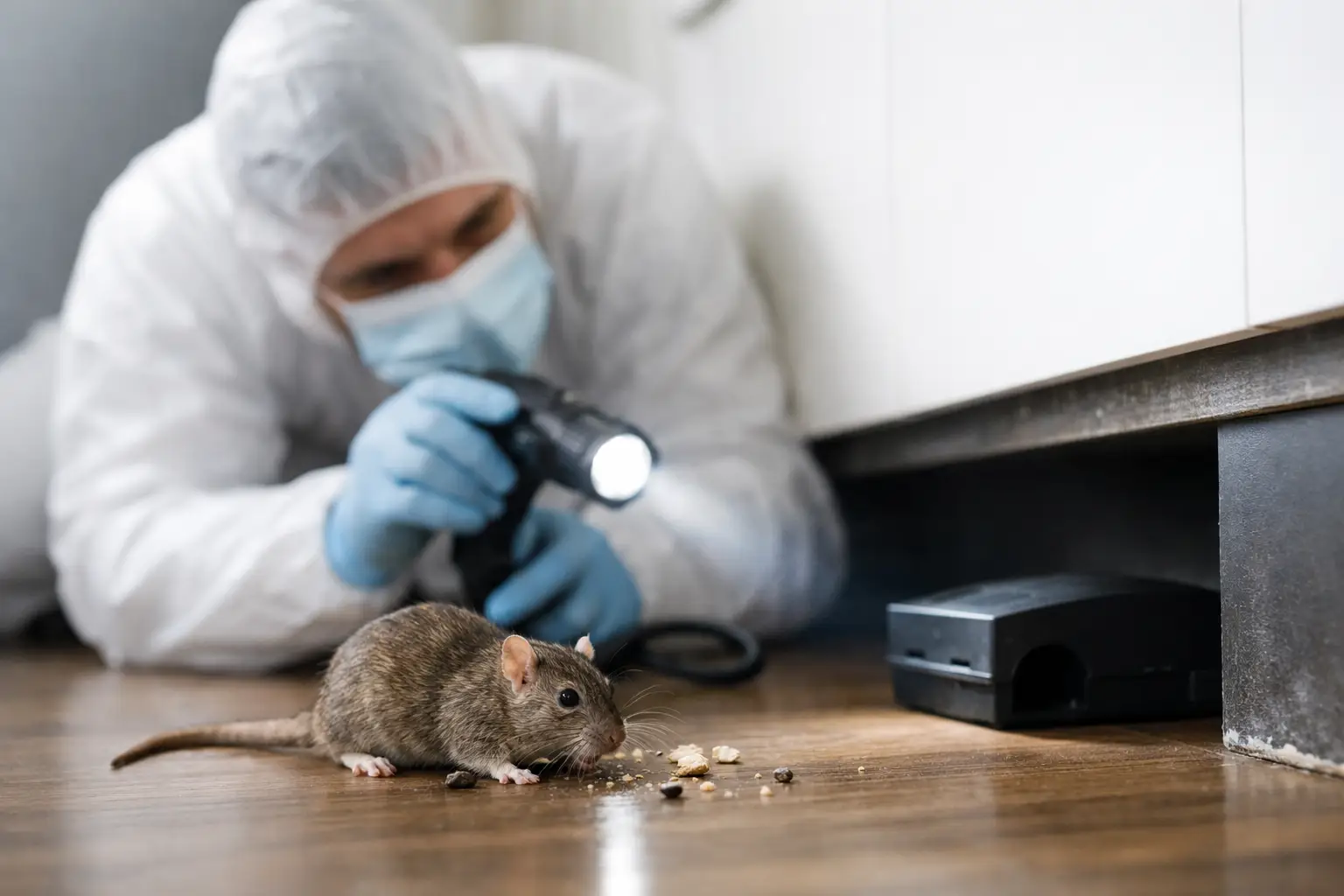
A single rat dropping behind a refrigerator or a mouse nest above a ceiling may seem like a small housekeeping issue. In reality, do rodents spread diseases indoors? Yes. Rodents can contaminate food, preparation surfaces, stored goods, and indoor air through urine, droppings, saliva, and nesting debris.
The risk is not a reason to panic. Not every rodent carries disease, and brief contact does not automatically make someone ill. But rodents reproduce quickly, move through drains, refuse areas, roof spaces, and food storage locations, and can spread contamination far beyond the place where they are seen. Prompt, careful action protects the people using the property and prevents a manageable issue from becoming a recurring infestation.
How rodents spread diseases indoors
Rodents do not need to bite a person to create a health concern. Most indoor exposure happens indirectly. A rat or mouse may travel across garbage, drains, storerooms, and food areas in the same night. As it moves, it can leave behind urine, droppings, hair, and bacteria on counters, shelves, packaging, utensils, or floors.
Food contamination is one of the most common concerns. Open food, poorly sealed dry goods, pet food, and ingredients stored near the floor are especially vulnerable. In homes, that may mean a pantry, kitchen cabinet, or utility room. In restaurants, offices, retail stores, and industrial facilities, the consequences can extend to food safety standards, staff well-being, stock loss, and reputation.
Rodent droppings and urine can also become a problem when disturbed. Sweeping or vacuuming dry droppings may send fine particles into the air. This matters most in enclosed or poorly ventilated places, such as false ceilings, storerooms, sheds, basements, and equipment rooms. A careful cleaning method is safer than rushing to remove visible signs.
Fleas, mites, and ticks carried by rodents can create another exposure route. While these pests often stay close to their host, they may move into occupied spaces when rodent activity changes or a nest is disturbed.
Diseases associated with rats and mice
Different rodent-borne illnesses occur in different regions, and the actual risk depends on the species, the extent of infestation, sanitation conditions, and the type of contact. Still, a few illnesses explain why rodent control should be treated as a health and hygiene priority.
Leptospirosis is associated with contact with water, soil, or surfaces contaminated by infected animal urine. It can be a concern where rats have access to drains, damp utility areas, trash zones, or flood-prone spaces. Salmonella and other bacteria may be transferred when rodents contaminate food or food-contact surfaces, potentially causing gastrointestinal illness.
Hantavirus is another illness often discussed in relation to rodents, particularly where people inhale dust contaminated by rodent urine or droppings. The level of risk varies by location and rodent species, but the practical precaution remains the same: do not dry sweep, brush, or vacuum rodent waste in an enclosed area.
Rodent bites and scratches are less common but should never be ignored, especially if the skin is broken. Anyone who develops fever, stomach symptoms, unusual fatigue, muscle aches, or breathing symptoms after a significant rodent exposure should seek medical advice and explain the exposure. Medical evaluation is particularly important for young children, older adults, pregnant people, and anyone with a weakened immune system.
Do rodents spread diseases indoors in clean properties?
Yes. Cleanliness helps reduce rodent pressure, but a tidy home or well-managed workplace is not automatically rodent-proof. Rats and mice often enter for shelter, warmth, water, and nesting space, not only for obvious food waste.
A small gap around plumbing, an unsealed cable opening, a damaged door sweep, or a gap beneath a loading door can be enough for entry. Once indoors, rodents may feed on crumbs, pantry items, pet food, cardboard, grease residue, or even moisture from condensation and leaking pipes.
This is why repeated cleaning alone rarely resolves an infestation. It may remove some evidence, but it does not identify the entry point, nesting location, travel route, or source of food and water that is supporting rodent activity. Long-term prevention requires these conditions to be addressed together.
Signs that call for a closer inspection
A rodent is not always seen. Rats and mice are often most active at night and prefer concealed travel paths along walls, behind equipment, inside cabinets, or above ceilings. Fresh droppings, gnaw marks on packaging or wiring, shredded paper, musty odors, grease marks along walls, and scratching sounds after dark are all warning signs.
In commercial settings, small clues deserve quick attention. A single chewed food carton in a storeroom, droppings beneath shelving, or damaged packaging can indicate a wider issue. Rodents can move between units, ceilings, loading areas, and service shafts, so the visible evidence may not be close to the nest.
A professional inspection is particularly worthwhile if activity continues after basic cleaning, if droppings appear in food-handling areas, or if there is evidence in ceiling voids and inaccessible spaces. The goal is not simply to remove the rodent seen on site. It is to understand why rodents entered and how to keep them from returning.
Clean rodent droppings without increasing exposure
If there are only small amounts of droppings in an accessible area, avoid dry sweeping or vacuuming them. First, keep children, pets, and unnecessary foot traffic away from the area. Ventilate the space if possible, then wear disposable gloves and apply a household disinfectant according to its label directions.
Allow the disinfectant to sit for the recommended contact time before wiping the material up with paper towels. Place the waste in a sealed bag before disposal, then clean and disinfect the surrounding surface and wash your hands thoroughly after removing gloves. Wash contaminated fabrics using an appropriate laundry setting where possible.
For large accumulations, nesting material, droppings in false ceilings, or waste around electrical equipment and food storage, it is safer to arrange professional help. These situations may involve hidden activity, difficult access, and a greater chance of spreading contaminated dust during cleanup.
Preventing future rodent activity
Effective rodent prevention combines exclusion, sanitation, monitoring, and targeted treatment. One measure on its own can help, but it may not be enough when rodents have already established a nesting site.
Start by protecting food and reducing accessible water. Keep dry goods and pet food in tightly sealed containers, clear crumbs and spills promptly, manage trash in lidded bins, and repair leaks or persistent condensation. Avoid allowing cardboard, clutter, or unused materials to build up in storerooms and service areas, as these provide quiet nesting cover.
Next, look closely at likely entry points. Seal gaps around pipes, cables, vents, doors, and wall penetrations with durable, appropriate materials. Pay attention to gaps at floor level and around utility connections. Outdoors, keep waste areas orderly and avoid placing stored items directly against exterior walls where rodents can shelter undisturbed.
Traps and bait stations can be useful, but placement and follow-up matter. A poorly placed trap may catch nothing while rodents continue using a different route. Bait should also be managed carefully, particularly around children, pets, food, and sensitive business environments. A professional rodent control program uses inspection findings to place control measures strategically and monitors results over time.
When professional rodent control is the right step
Professional support is often the practical choice when rodent activity is recurring, widespread, or linked to food, customers, employees, or vulnerable household members. It is also valuable when the source cannot be located or when rodents are active in wall voids, ceilings, drains, or shared building areas.
Servcare approaches rodent control as more than a one-time treatment. A thorough service starts with identifying evidence, entry routes, harborages, and contributing conditions. From there, tailored control and prevention measures can reduce current activity while helping protect the property against future infestations.
Rodents are persistent, but they are not unavoidable. Treat early signs seriously, clean contamination carefully, and focus on the conditions that allowed the activity to begin. That is the most reliable path back to a cleaner, safer, and more comfortable indoor space.