

A cockroach in the kitchen, rodent droppings near stock, or fresh termite damage can make a one-time treatment feel like the obvious answer. But when comparing a pest contract versus one-off treatment, the right choice depends on more than how quickly you want the current pest activity to disappear. It depends on the pest, the property, the source of the problem, and the consequences if it returns.
For some situations, a focused one-off service is sensible. For others, especially where hygiene, reputation, food safety, or property protection are at stake, ongoing pest management offers greater control and reassurance. The key is choosing a service level that matches the real risk, not simply the most immediate option.
Pest Contract Versus One-Off Treatment: The Core Difference
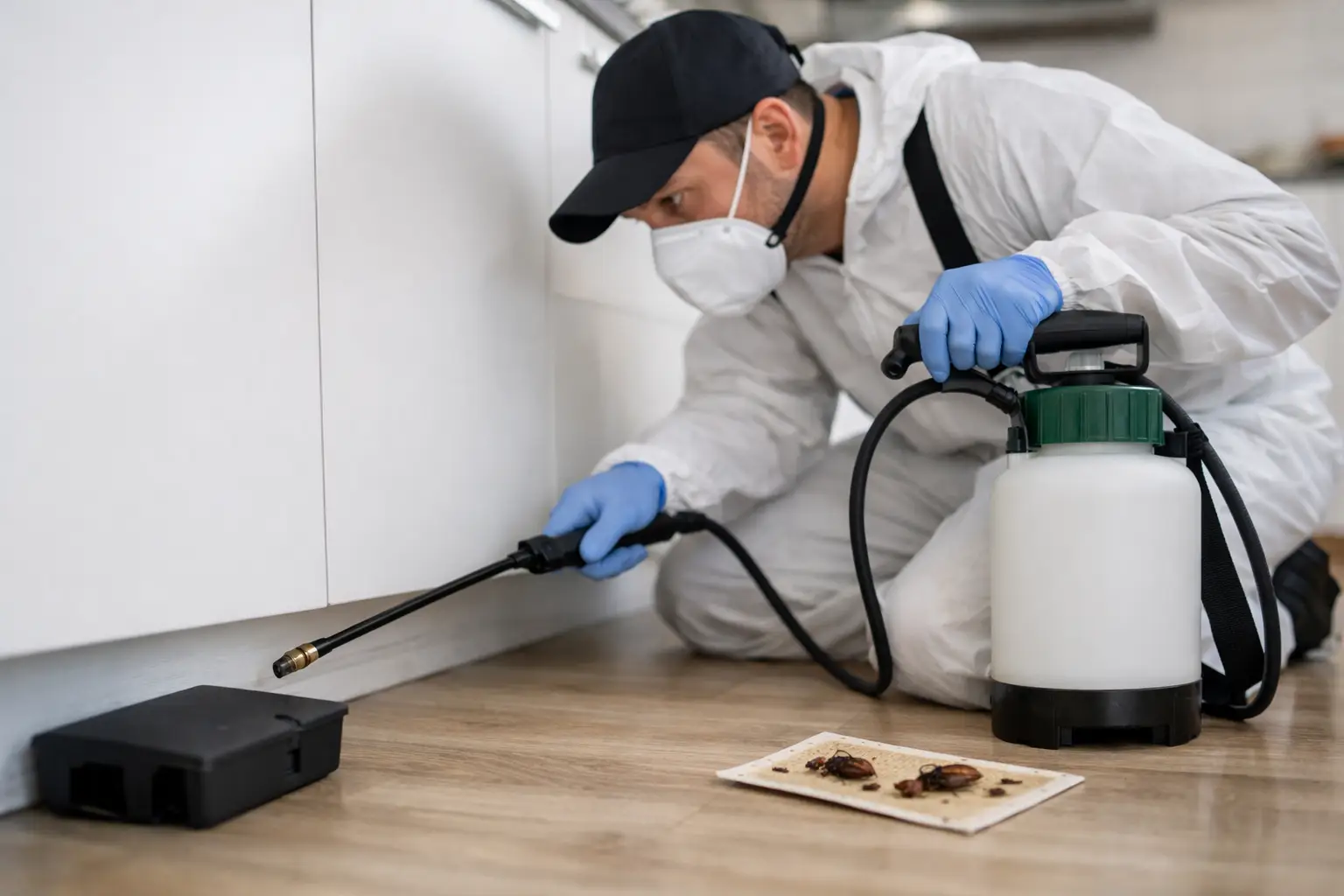
A one-off treatment is designed to address a known, immediate issue. A trained technician inspects the affected area, identifies likely harborages or entry points, carries out the appropriate treatment, and advises you on practical next steps. This can be effective when pest activity is limited, the cause is clear, and there is no sign of an established or recurring infestation.
A pest contract is a planned program of inspections, treatments, monitoring, and prevention over an agreed period. Rather than waiting for pests to become visible again, the service is structured to detect early activity, reduce conditions that support infestations, and maintain protection through regular visits.
The difference is not simply frequency. A quality contract creates a record of pest activity, treatment actions, trends, and risk areas. That visibility is particularly valuable for businesses, multi-unit properties, and households dealing with persistent pest pressure.
When a One-Off Treatment Makes Sense
One-off treatment can be a practical choice after an isolated incident. For example, a homeowner may find a small wasp nest outdoors, spot a few ants after heavy rain, or need a targeted mosquito treatment before an event. If inspection shows there is no wider infestation, a single professional visit may resolve the problem efficiently.
It can also suit properties preparing for a handover, renovation, or specific issue that has a clearly defined cause. The important point is that the treatment should be based on an inspection, not on a general spray. Different pests behave differently. Cockroaches hide in cracks, rodents move along protected routes, and subterranean termites may remain concealed while causing damage below the surface.
A one-off service has limits, however. It may remove active pests without addressing the conditions that allowed them to enter, feed, breed, or shelter. If sanitation gaps, moisture, structural openings, or neighboring pest sources remain, activity can return. A repeat callout may then cost more time and create more disruption than a preventive program would have.
Signs a One-Off Service May Be Enough
A one-off approach is often reasonable when activity is recent and contained, there is a clear source to correct, and the property has no history of repeat infestations. It is also more suitable when the pest does not pose an ongoing operational risk after removal.
Even then, follow the technician’s recommendations. Closing gaps, correcting leaks, removing food sources, and improving storage practices are often what determine whether a successful treatment stays successful.
When a Pest Contract Is the Better Investment
A pest contract is usually the stronger choice when pest pressure is ongoing, difficult to trace, or costly to ignore. Restaurants, food preparation areas, warehouses, retail spaces, offices, and industrial facilities often need scheduled pest management because a single sighting can affect more than the immediate area. It can raise compliance concerns, interrupt operations, and damage customer confidence.
For homes, a contract can be worthwhile when cockroaches or rodents keep returning, mosquitoes breed around the property, or termite risk requires continued attention. In Singapore’s warm, humid conditions, pests can reproduce and spread quickly when favorable conditions are present. Waiting until the next visible sign may allow a small issue to become a larger one.
Ongoing service supports prevention in several ways. Regular inspections can identify early warning signs, such as droppings, gnaw marks, nesting material, termite mud tubes, or cockroach harborages. Monitoring devices help professionals assess activity between treatments. Recommendations can be updated as conditions change, whether that means a new food storage area, construction work, water damage, or seasonal increases in pest activity.
Most importantly, a contract gives the technician the opportunity to assess results over time. Pest management is rarely about applying more product. It is about applying the right method in the right place, then confirming that activity is declining and adjusting the plan if it is not.
Consider the Cost of Recurrence, Not Only the First Visit
A one-off treatment generally has a lower upfront cost. That can make it appealing when the issue appears minor. But the more useful question is what repeat activity would cost your household or business.
For a homeowner, recurring rodents may contaminate food, damage wiring, and create unnecessary stress. Repeated cockroach activity can affect hygiene and make guests uneasy. Termites are different again: visible damage may appear only after a colony has been feeding out of sight for some time, turning delayed action into an expensive repair problem.
For businesses, the impact can be wider. An F&B operator may face contamination risks and lost customer trust. A warehouse may have damaged packaging or stock. A facility manager may spend significant time coordinating reactive callouts across multiple tenants or locations. In these settings, planned prevention can be easier to budget for and less disruptive to manage.
That does not mean every property needs a contract. It means the decision should account for likelihood, impact, and recurrence. A reliable provider should explain these trade-offs clearly rather than pushing a standard package that does not fit the property.
What a Good Pest Contract Should Include
Not all contracts provide the same level of protection. The value comes from the quality of assessment, the suitability of the treatment plan, and the consistency of follow-up. Before agreeing to an ongoing service, ask how often inspections will take place, what pests are covered, how activity is documented, and what happens when monitoring shows a new concern.
A professional program should begin with a site-specific inspection. The technician should consider pest species, building layout, food and waste handling, moisture sources, landscaping, access points, and the needs of occupants. For commercial sites, the plan should also account for operating hours, sensitive areas, and hygiene requirements.
Treatments should be targeted and responsibly applied. This matters in homes with children or pets, as well as in places where food is handled or vulnerable people are present. Professional-grade products and modern methods should be selected for effectiveness while minimizing unnecessary exposure.
At Servcare, this approach is supported by experienced pest management professionals, NEA licensing, and entomologist-backed guidance. The objective is not to provide a temporary appearance of control. It is to reduce pest pressure safely and build practical protection around the property.
How to Choose the Right Option for Your Property
Start by being candid about the pattern. Has this happened once, or has it happened before? Are you seeing one pest, or signs in several rooms or areas? Is there a possible source, such as an open drain, a leaking pipe, poor waste storage, or a gap around utility lines? The answers help distinguish an isolated event from a problem that needs continued management.
Next, consider what is at risk. A few ants on a patio do not carry the same urgency as rodents in a food storage area or termites near structural timber. The greater the hygiene, safety, financial, or reputational consequence, the stronger the case for scheduled inspections and prevention.
Finally, choose a provider that explains the treatment plan in plain language. You should understand what will be done, why it is appropriate, what preparation is needed, and what you can do to reduce future activity. Clear guidance builds confidence and leads to better outcomes after the technician leaves.
The best pest control decision is the one that gives your property the level of protection it genuinely needs. If the issue is isolated, a well-planned one-off treatment may restore control quickly. If pests are recurring or the stakes are high, ongoing professional attention can protect far more than the space itself: it can protect the comfort, confidence, and peace of mind of everyone who uses it.