


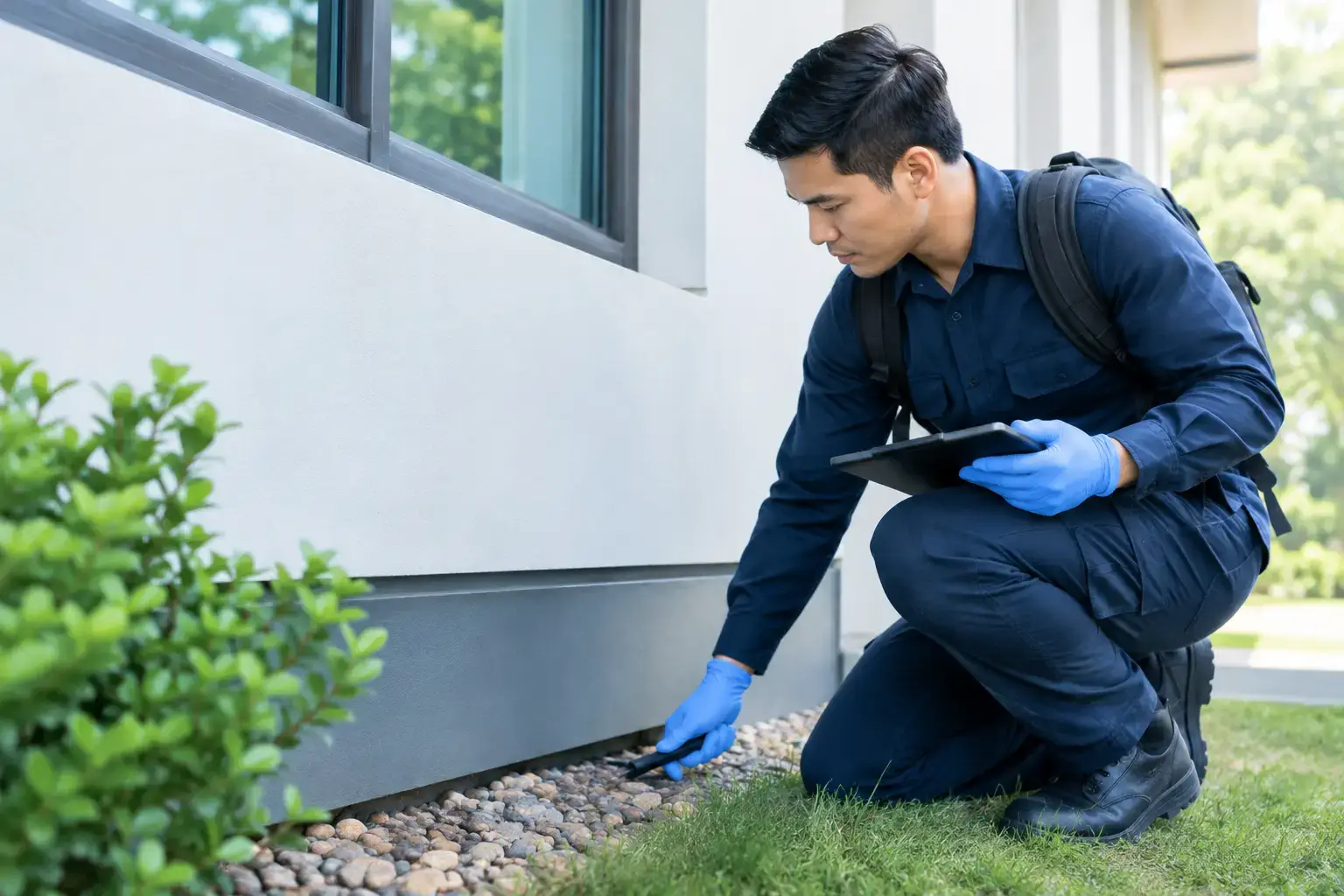
A pest problem can create pressure to choose the first available provider. But when treatments involve people, food areas, drainage systems, and sensitive environments, credentials matter. NEA pest licensing is one of the clearest signs that a pest management provider is operating within Singapore’s regulatory framework and taking its responsibilities seriously.
For homeowners, it offers greater confidence that pest work is being carried out by a properly regulated business. For facility managers and business operators, it supports safer operations, better accountability, and a more reliable foundation for ongoing pest prevention. Licensing alone does not guarantee a pest-free property, but it is a sensible place to start when choosing professional help.
What NEA Pest Licensing Means
“NEA pest licensing” is commonly used to describe the licensing requirements overseen by Singapore’s National Environment Agency for vector control and pesticide-related work. In practical terms, it helps ensure that companies and personnel carrying out regulated pest control activities meet defined standards for competence, procedures, and responsibility.
Pest management is not simply a matter of applying chemicals. Effective control requires correct pest identification, an understanding of breeding and harboring conditions, careful product selection, and treatment methods suited to the property. The wrong approach may fail to resolve the source of an infestation, expose occupants to unnecessary risk, or push pests into new areas.
A licensed provider is accountable for performing work in line with applicable requirements. That matters when treating high-risk concerns such as cockroaches in food preparation areas, mosquitoes around drainage and landscape features, rodents in ceiling voids or storerooms, and termites that may be damaging structural timber out of sight.
Why Licensing Matters to Homes and Businesses
Pests affect more than comfort. Cockroaches and rodents can contaminate surfaces and stored goods. Mosquito breeding can create public health concerns. Subterranean termites may cause costly damage before obvious signs appear. In commercial settings, pest activity can also affect staff confidence, customer experience, food hygiene, audit readiness, and business reputation.
Choosing a licensed company helps reduce the uncertainty that comes with pest control work. It indicates that the provider is not treating the job as a casual spray service. The company should be able to assess the problem, recommend an appropriate course of action, communicate safety measures clearly, and document the work where needed.
For businesses, this is especially valuable because pest control is rarely a one-time task. An F&B outlet may need consistent monitoring around waste areas, grease traps, deliveries, and food storage. An industrial site may require rodent management across loading bays, perimeter vegetation, and utility spaces. Offices and retail spaces may need discreet treatment that minimizes disruption to employees and visitors.
The right program depends on the property, the pest, and the level of risk. Licensing is the baseline. Experience, technical judgment, and a preventive service plan are what turn that baseline into dependable protection.
NEA Pest Licensing and Safe Treatment Practices
A professional treatment should begin with inspection, not a one-size-fits-all recommendation. Before any control measure is proposed, the technician should look for the factors supporting pest activity: food sources, moisture, access gaps, clutter, poor waste handling, drainage issues, or nearby breeding sites.
This approach is often referred to as integrated pest management. It combines targeted treatment with practical steps that make the environment less favorable to pests. For example, a cockroach problem may call for focused baiting and crack-and-crevice treatment, but long-term control also depends on cleaning hidden grease deposits, repairing leaks, and managing refuse correctly.
Chemical treatment can be necessary and effective, particularly during active infestations. However, more product is not always better. A responsible provider uses the most suitable method for the situation and explains what occupants need to do before and after treatment. This may include clearing accessible areas, protecting food items, keeping children and pets away from treated zones, or allowing adequate time before re-entry.
For sensitive sites such as homes with young children, healthcare-related environments, food premises, and schools, clear communication is essential. Property owners should feel comfortable asking what treatment is proposed, why it is needed, and what precautions apply.
What to Ask a Licensed Pest Management Provider
A license is a meaningful credential, but property owners should still assess whether a provider is right for the job. The most useful questions focus on how the company diagnoses and prevents the problem, not just how quickly it can treat it.
Ask whether the provider will inspect the site before recommending a plan. Find out what evidence of pest activity they have identified, whether follow-up visits are required, and what conditions on the property may be contributing to the infestation. For recurring issues, ask how the company will measure progress and adjust the treatment if activity continues.
It is also reasonable to ask about the personnel attending your property. Pest control is hands-on work, and the quality of the outcome depends heavily on the technician’s knowledge and attention to detail. A capable team should be able to explain findings in straightforward language and give practical recommendations without creating unnecessary alarm.
For commercial clients, service reporting is another important consideration. Records of inspections, findings, treatments, and recommendations can support internal hygiene standards and help facilities teams track repeated issues. The level of documentation needed will vary by industry, but a professional provider should understand that pest management is part of a wider site-management responsibility.
Licensing Is Not a Substitute for Prevention
Even the best treatment cannot permanently overcome conditions that continually invite pests back. A pest management provider can control an active infestation, but lasting results depend on partnership between the service team and the people using the property every day.
In homes, prevention may mean sealing gaps around pipes, keeping dry goods in sealed containers, removing standing water, and addressing moisture beneath sinks. In businesses, it may involve improving waste routines, inspecting incoming deliveries, maintaining door sweeps, and ensuring drains are cleaned and functioning properly.
Termite prevention requires particular attention because termites work quietly and can remain hidden within soil, wall voids, or timber. A treatment plan may be needed to stop current activity, yet regular inspections and early reporting of warning signs remain important for protecting the property over time.
The goal is not to create a heavily treated environment. It is to make the property harder for pests to enter, feed, breed, and remain undetected. That is where professional advice has its greatest long-term value.
Choosing a Provider With Confidence
When comparing pest control companies, price should not be the only deciding factor. A low-cost treatment can become expensive if it fails to address the source of the problem and pests return soon afterward. On the other hand, the most extensive plan may not be necessary for every situation. The appropriate solution should match the pest pressure, property type, safety needs, and level of ongoing risk.
Look for a provider that can explain its NEA licensing status, inspect before treating, and recommend a clear plan rather than making broad promises. A company should be transparent about treatment scope, follow-up requirements, preparation instructions, and the actions needed from the property owner.
At Servcare, pest management is built around careful assessment, proven treatment methods, and practical prevention. With more than two decades of experience, the focus remains on protecting homes and businesses from the disruption, health concerns, and property risks associated with pest activity.
A licensed provider gives you a stronger starting point. A thoughtful prevention plan gives you the confidence to keep pest issues from becoming a recurring part of property management.