

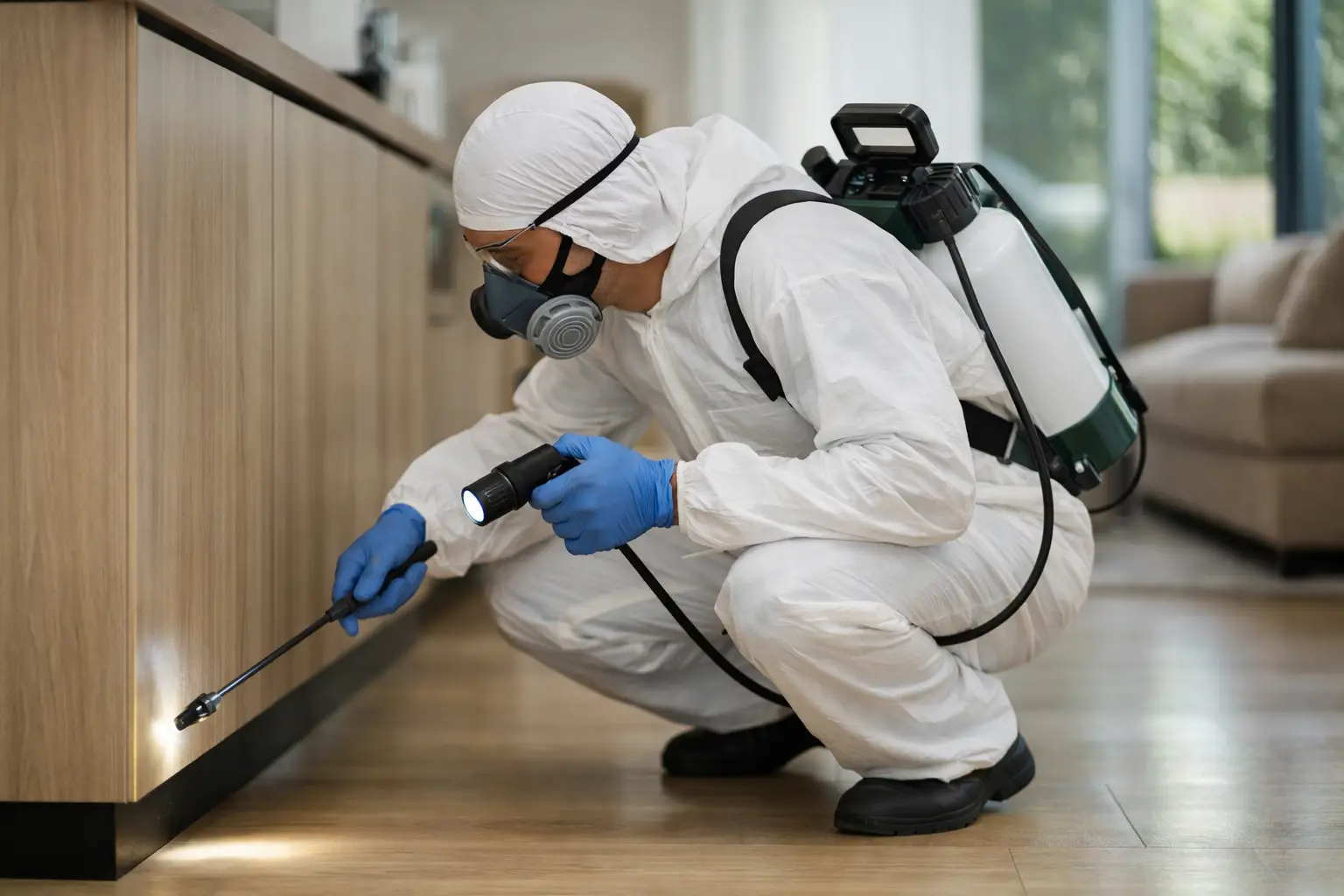
A cockroach sighting in a kitchen, fresh rodent droppings in a storeroom, or mud tubes along a wall should not be treated as a minor inconvenience. These signs can point to a larger infestation that affects hygiene, health, operations, and property value. The practical NEA licensed pest control benefits start with knowing that the work is carried out under Singapore’s professional regulatory standards, with safety and proper pest management at the center of the service.
For homeowners, this means greater confidence when treatments are performed around family members, pets, and living spaces. For businesses, especially F&B operators, retail outlets, offices, and industrial facilities, it means working toward pest control that supports a cleaner environment and reduces the risk of disruption, contamination, and reputational harm.
What NEA Licensing Means for Pest Control
In Singapore, pest control work is regulated by the National Environment Agency (NEA). A licensed pest control company must meet requirements designed to ensure pest management is conducted responsibly. This matters because pest treatment is not simply about applying a product where pests have been seen. It requires an informed assessment of pest activity, likely entry points, breeding conditions, treatment suitability, and safety measures.
A licensed provider is accountable for operating within established requirements. That creates a meaningful difference from unverified operators who may offer quick fixes without sufficient inspection, appropriate product handling, or a plan to address the source of the issue.
Licensing does not mean every infestation disappears after one visit. The severity of the problem, the pest species, sanitation conditions, building layout, and cooperation with recommended preventive measures all affect the outcome. What it does provide is a stronger professional foundation for managing the problem properly.
NEA Licensed Pest Control Benefits Beyond a One-Time Spray
The most valuable pest control service does more than reduce the number of visible pests. It identifies why they are present and helps prevent the next outbreak. Licensed pest management supports this longer-term approach.
Safer, more considered treatment decisions
Pesticides must be selected, stored, applied, and managed carefully. An NEA licensed provider understands that treatment areas may include kitchens, bedrooms, food preparation zones, drainage points, loading bays, and areas used by children or staff. The method should match both the pest issue and the environment.
For example, a cockroach problem in a residential kitchen may require targeted gel baiting and treatment of harborages rather than broad spraying across every surface. A mosquito issue may call for source reduction and attention to water-holding areas, while rodent activity may require proofing gaps and improving waste management alongside trapping or baiting strategies.
This targeted approach can reduce unnecessary chemical exposure while still addressing active pest pressure. Eco-conscious pest control does not mean ignoring effective products when they are needed. It means using appropriate measures thoughtfully, with the least disruption possible and clear attention to safety.
Technicians who work from evidence, not guesswork
Different pests leave different clues. Cockroaches favor warm, hidden spaces close to food and moisture. Rodents follow travel routes and exploit small openings. Subterranean termites can remain concealed while feeding on wood behind walls, beneath flooring, or within structural elements. Mosquitoes may breed in surprisingly small amounts of standing water.
A professional inspection turns those clues into an action plan. Instead of treating only the place where a pest was spotted, the technician considers activity patterns, harborages, access points, and environmental conditions that support the infestation.
That distinction is particularly important for commercial properties. A single report of rodent activity near a dumpster, for instance, may be connected to gaps around service doors, uncovered waste, exterior vegetation, or food debris in another part of the facility. Treating one area without correcting the contributing conditions can lead to recurring activity.
Better protection for health, hygiene, and operations
Pests are not merely unpleasant. Cockroaches and rodents can contaminate food-contact areas and storage spaces. Mosquitoes can affect comfort and public health concerns. Termites can cause costly damage before their presence is obvious.
For homes, early professional intervention helps protect the places where families cook, sleep, and spend time together. For businesses, it supports cleaner premises and helps management respond decisively before a pest concern escalates into customer complaints, failed inspections, damaged stock, or interrupted operations.
F&B operators face particularly high stakes. Pest evidence in a kitchen or dining area can undermine customer trust immediately. A licensed pest control partner can help establish a planned service schedule, documented observations, and practical recommendations that fit the realities of a working outlet.
A focus on prevention, not repeated emergency treatment
Pest activity often returns because the underlying conditions remain unchanged. Leaking pipes, food residue, cluttered storage, open drains, unsealed utility penetrations, and poorly managed waste can all give pests what they need to survive.
A prevention-oriented service identifies these risks and recommends corrective action. Some measures are simple, such as storing food in sealed containers, clearing cardboard accumulation, repairing door sweeps, or removing standing water. Others may involve maintenance teams, building management, or changes to cleaning procedures.
The shared responsibility matters. Even the best treatment has limits if a property continues to provide easy food, water, and shelter. Reliable pest management combines professional treatment with practical site improvements and follow-up monitoring.
Why Credentials Matter When the Problem Is Serious
It can be tempting to select a provider based only on price or how quickly someone can apply a spray. However, the lowest upfront cost can become expensive if an infestation is misidentified, treated incompletely, or allowed to return repeatedly.
With termite activity, the consequences can be especially significant. Subterranean termites may travel out of sight and feed continuously on cellulose materials. A proper assessment helps determine whether signs point to an isolated issue or a wider risk that requires a more structured treatment and monitoring plan.
The same principle applies to rodent control. Removing one visible rat does not resolve an infestation if entry points, nesting areas, and food sources remain available. Professional recommendations may include exclusion work, sanitation improvements, monitoring devices, and scheduled inspections based on the property’s risk level.
Credentials also provide reassurance when pest control must be performed in sensitive settings. Schools, healthcare-related environments, food premises, warehouses, and family homes all require careful coordination. A competent provider explains what will be done, what occupants should prepare, and what actions can help improve results after treatment.
Choosing the Right Licensed Pest Control Partner
NEA licensing is an essential starting point, but service quality still varies. Look for a provider that listens to the problem before proposing a solution. A credible recommendation should reflect the pest involved, the property type, the extent of activity, and the conditions found during inspection.
Ask how the provider will identify the source of the infestation, not just how they will kill the pests. Find out whether follow-up visits are recommended, what preventive steps are expected from the property owner, and how treatment will be managed around people, pets, food, or business operations.
Experience also matters. A provider with long-term field knowledge is more likely to recognize patterns that are easy to miss, such as recurring cockroach activity caused by shared plumbing lines or rodent movement linked to neighboring renovation work. Entomologist support can add another layer of technical guidance when pest behavior or treatment planning requires closer evaluation.
At Servcare, pest management is approached as a protection service rather than a one-off treatment. From detailed inspection through tailored treatment and preventive recommendations, the goal is to help clients regain control of their premises with confidence.
When to Call a Licensed Professional
Do not wait for a pest issue to become highly visible. Call for an inspection when you notice recurring sightings, droppings, gnaw marks, unexplained bites, termite mud trails, damaged wood, mosquito breeding concerns, or pest activity that continues after do-it-yourself efforts.
Early action is often less disruptive and easier to manage. It also allows time to correct the conditions attracting pests before they spread through more of the property. A licensed professional can provide the clarity needed to move from concern to a focused, safer plan for lasting protection.