


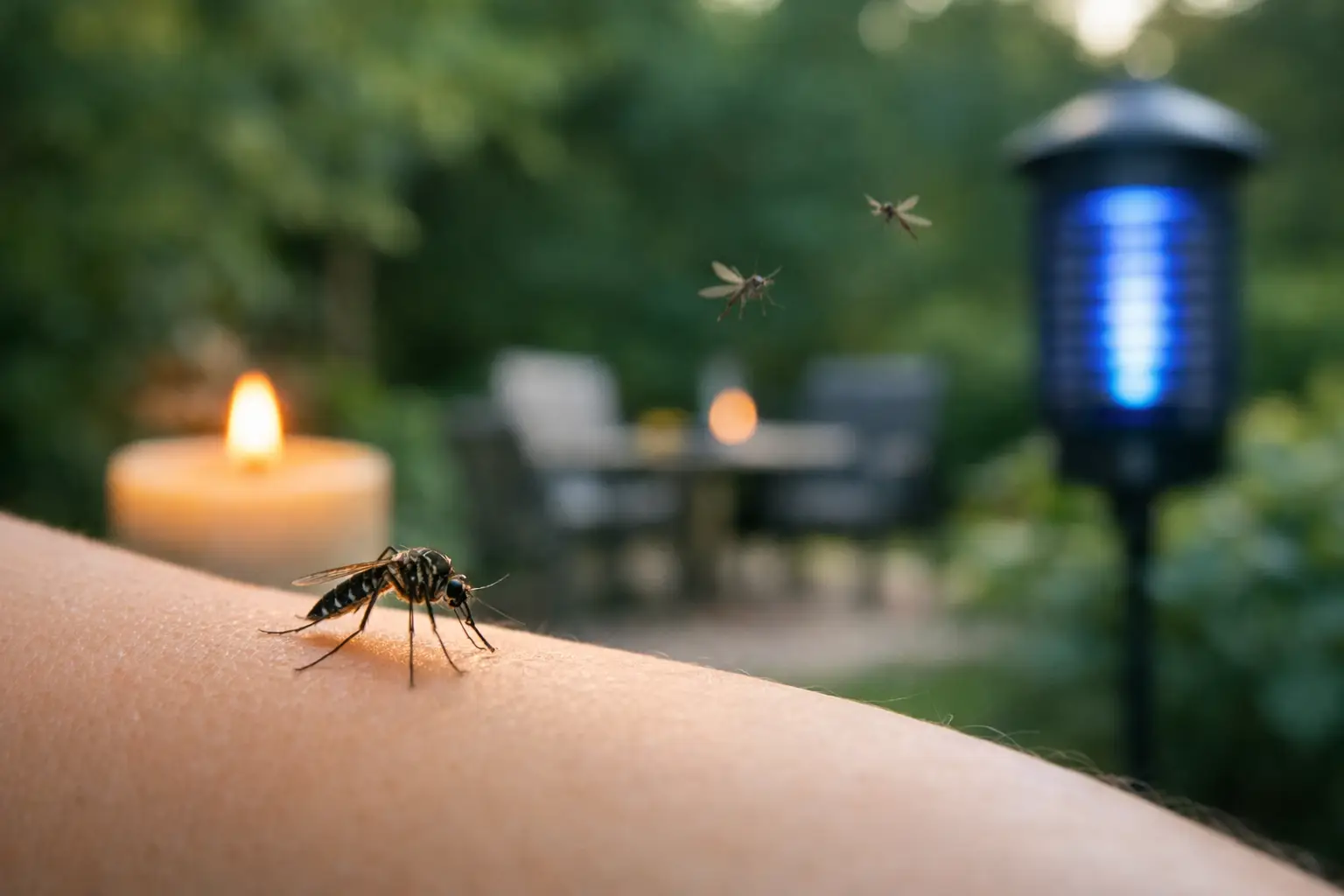
A single bottle cap holding rainwater can become a mosquito breeding site. That is why the best ways to stop mosquitoes start well before you notice bites, buzzing, or adults gathering around a doorway. Effective mosquito control is about removing the conditions that allow mosquitoes to multiply, then addressing active activity with safe, targeted measures.
For homes, offices, F&B premises, and industrial sites, the goal is not simply fewer mosquitoes for a few days. It is lasting protection that reduces breeding, supports hygiene, and gives occupants greater peace of mind.
The Best Ways to Stop Mosquitoes Begin With Water
Mosquitoes need water to complete their life cycle. Depending on the species and conditions, larvae can develop quickly in small, still collections of water. A weekly inspection is one of the most reliable prevention habits because it interrupts breeding before adult mosquitoes emerge.
Walk the property with a practical eye. Check plant saucers, flower vases, pails, discarded containers, umbrellas stands, clogged floor drains, roof gutters, air-conditioning drip trays, and tarpaulin folds. Empty, scrub, and dry containers where possible. If water must be stored, keep it tightly covered.
Do not overlook less obvious areas. Outdoor equipment, construction materials, unused planters, drain channels, and storage yards can all collect water after rainfall. At commercial sites, assign responsibility for routine checks so prevention does not depend on one person noticing a problem.
Keep Drains and Gutters Flowing
Blocked or slow-draining areas create ideal resting and breeding conditions. Clear leaves, sediment, and litter from gutters and drainage points, particularly after heavy rain. Repair damaged grates, uneven surfaces, and leaks that leave recurring puddles.
For larger facilities, drainage is often a maintenance issue as much as a pest issue. A recurring mosquito concern near loading bays, refuse areas, landscape edges, or rooftop spaces may point to a water-management problem that needs correction rather than repeated spraying.
Make Outdoor Areas Less Attractive to Adult Mosquitoes
Removing breeding sites reduces future mosquito numbers, but adult mosquitoes may still enter from neighboring areas or rest within dense vegetation. Keep shrubs trimmed, remove excessive ground clutter, and avoid allowing vegetation to become overgrown against building walls or walkways. Better airflow and access also make inspections more effective.
Empty bins regularly and keep waste areas clean and covered. While garbage itself is not the main breeding source, neglected waste zones often hold containers, plastic sheeting, and other items that trap rainwater. This is especially relevant for F&B, retail, and industrial premises where outdoor housekeeping affects both pest risk and site presentation.
Outdoor fans can provide useful short-term relief in patios, entryways, and gathering areas. Mosquitoes are weak fliers, so moving air makes it harder for them to land. Fans do not eliminate mosquitoes or replace breeding prevention, but they can improve comfort where people spend time outdoors.
Protect People From Bites When Mosquitoes Are Active
Personal protection matters when mosquito activity is already present, during outdoor work, or in areas where exposure cannot be avoided. Use an EPA-registered insect repellent according to the label, especially on exposed skin. Wear long sleeves and long pants where practical, choosing lighter colors and loose-fitting fabrics for comfort in warm conditions.
At home, keep window and door screens in good repair. Small tears and gaps around frames can give mosquitoes an easy route indoors. Close doors promptly, particularly around busy entrances, and consider self-closing mechanisms for commercial back-of-house access points.
These measures reduce bites, but they are not a full property-control strategy. If mosquitoes are breeding nearby, the underlying source still needs to be identified and managed.
Use Larval Control Only Where Water Cannot Be Removed
Some water-holding areas cannot be emptied or covered, such as certain drains, ornamental features, or operational water systems. In these cases, properly selected larval control products can prevent mosquito larvae from developing into biting adults.
The right approach depends on the location, water volume, drainage pattern, surrounding activity, and applicable safety requirements. Products should be used only as directed and monitored over time. Adding a treatment without addressing blocked drains, leaks, or stagnant conditions can create a false sense of security.
For businesses, this is where professional guidance is particularly valuable. A trained technician can assess whether a treatment is appropriate, identify environmental conditions supporting breeding, and recommend a program that fits the site without unnecessarily disrupting operations.
Do Not Rely on Fogging as the Only Answer
Fogging can reduce adult mosquito activity in a specific area for a limited period, which may be useful when there is an immediate concern. However, it does not remove eggs, larvae, standing water, or the conditions that allow the population to return. If breeding sites remain, adult mosquitoes can reappear quickly.
The most dependable mosquito programs combine source reduction, targeted larval management where needed, adult mosquito treatment when justified, and ongoing inspection. This layered approach is more effective than treating every mosquito concern as a one-time spraying job.
There are trade-offs. A broad adult treatment may offer faster visible relief, while source management delivers stronger long-term results but requires consistent site participation. The best plan usually includes both immediate control and practical prevention responsibilities.
Inspect the Areas People Forget
Mosquito breeding often persists because routine checks focus only on gardens and obvious outdoor containers. Expand inspections to less visible locations, including:
- Under sinks, utility rooms, and air-conditioning areas with leaks or condensate
- Rooftops, balconies, ledges, and service corridors where water can collect
- Basement drains, lift pits, and seldom-used wash areas
- Landscaping features, irrigation equipment, and vacant units
- Construction zones, storage areas, and covered spaces with tarps or debris
Record recurring findings by location. This helps households and facility teams see patterns, such as a drain that clogs after every storm or an irrigation line that creates pooling. Solving the repeated cause is more valuable than repeatedly reacting to the symptom.
When Professional Mosquito Control Is the Right Step
Arrange a professional inspection when bites continue despite regular housekeeping, mosquitoes are seen repeatedly during the day, larvae are found in site water, or a large property makes systematic checks difficult. Day-biting mosquitoes deserve particular attention because they can be active around people during normal working and school hours.
Professional mosquito control should begin with inspection, not assumptions. A technician should examine potential breeding and resting areas, assess the extent of activity, and explain the recommended treatment and prevention steps. For commercial properties, the plan should also account for food safety, employee access, customer areas, and operational schedules.
Servcare applies this prevention-led approach through site-specific assessments and professional-grade treatments supported by technical expertise. The focus is on reducing active mosquito pressure while helping clients correct the conditions that lead to repeat activity.
Build a Routine That Prevents the Next Outbreak
Mosquito control works best when it becomes part of normal property care. Schedule a short weekly water check, a more detailed review after heavy rain, and periodic maintenance for drains, gutters, landscaping, and storage areas. Facilities with multiple teams should include mosquito prevention in cleaning, maintenance, and safety checklists.
For homeowners, a 10-minute inspection can make a meaningful difference. For businesses, a documented routine protects more than comfort: it supports cleanliness standards, staff well-being, customer confidence, and operational continuity.
The most effective mosquito prevention is rarely complicated. It comes from noticing small water sources early, correcting persistent site issues, and seeking professional support before a recurring nuisance becomes a larger health and hygiene concern.