

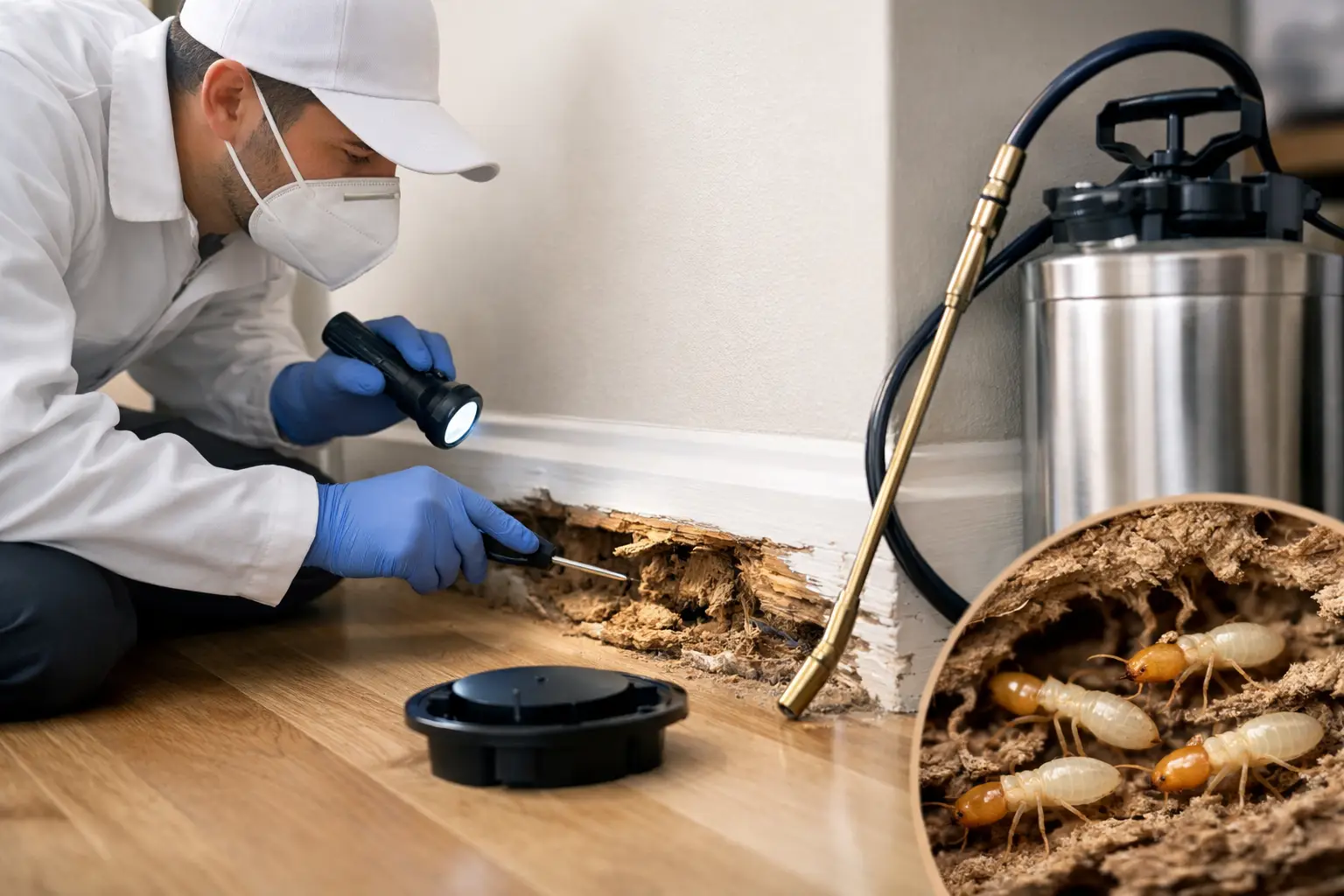
A hollow-sounding door frame, bubbling paint, or a thin line of mud along a wall can signal a problem that has been developing quietly for months. Effective termite protection is not simply about eliminating the insects you can see. It is about finding how they entered, stopping activity at its source, and reducing the conditions that allow them to return.
For homeowners, termites can compromise timber fittings, built-in cabinetry, door frames, and other concealed parts of a property before obvious damage appears. For businesses, the risk extends beyond repair costs. An infestation can disrupt operations, affect tenant or customer confidence, and create avoidable maintenance concerns. A planned, professional response protects the property and provides the reassurance that the issue is being handled properly.
What Effective Termite Protection Looks Like
Subterranean termites live in soil and travel into buildings through hidden routes. They need moisture and protection from open air, which is why they may move through cracks around pipes, construction joints, expansion gaps, and areas beneath flooring. Seeing winged insects near a window or finding discarded wings may be the first visible sign, but active termites are often concealed behind walls or below ground.
That is why a surface spray is rarely a complete answer. It may affect exposed insects without reaching the colony or blocking the access points that allowed the infestation to develop. Reliable termite protection begins with an inspection that looks beyond the visible symptoms.
A qualified technician assesses likely entry routes, wood-to-ground contact, damp areas, structural gaps, previous treatment points, and signs of active feeding. The findings determine whether the property needs a localized treatment, a wider soil barrier, a baiting approach, or a combination of methods. The right solution depends on the property layout, construction type, infestation level, and how termites are moving through the site.
Inspection identifies the real scope of the problem
Termites can travel through areas that are difficult for property owners to inspect safely or accurately. A professional assessment helps distinguish termite activity from other issues such as water damage, wood rot, ants, or aging materials. It also identifies whether the infestation is limited to one area or whether there are multiple points of entry.
For commercial properties, inspections should account for service ducts, storage zones, false ceilings, loading areas, landscaping, and utility penetrations. In F&B settings, particular care is needed to protect food-handling areas while addressing pest risks with appropriate treatment procedures. A tailored inspection creates a clear starting point and avoids unnecessary disruption.
Treatment must address termites where they travel
Liquid soil treatments and baiting systems are two common approaches for subterranean termites. A liquid treatment can create a treated zone in targeted soil areas, helping prevent termites from reaching the structure. Depending on access and construction, technicians may need to treat along external perimeters, around entry points, or through carefully planned injection locations.
Baiting works differently. Stations are placed in suitable locations to attract foraging termites, which then carry the active ingredient back through the colony. This approach can be valuable where a conventional soil treatment is impractical or where ongoing colony monitoring is preferred.
Neither method is automatically best for every property. Soil treatment can provide a direct protective barrier, but installation may require access to affected zones. Baiting can be less invasive in certain environments, but it requires regular inspection and monitoring for results. A responsible pest management provider explains these trade-offs and recommends a treatment plan based on evidence, not a one-size-fits-all package.
Why Prevention Matters After Treatment
Removing active termites is only one part of protecting a property. Termites are attracted to favorable conditions, especially moisture, accessible timber, and concealed gaps leading from the ground into a building. If those conditions remain unchanged, future termite activity is more likely.
Moisture management is often an overlooked part of prevention. Leaking pipes, poor drainage, air-conditioning condensate, and damp planter areas can create conditions that support termite movement. Repairs may fall outside the scope of pest control treatment, but a good inspection should flag these issues so they can be addressed promptly.
Property owners should also pay attention to timber and storage practices. Wooden materials, cardboard, and unused furniture should not be stored directly on the ground or pressed against exterior walls. Garden debris, mulch placed too close to the structure, and timber landscaping features can all provide concealed routes toward the building.
Small maintenance changes can make a meaningful difference. Seal gaps around pipes and service openings, maintain drainage, keep inspection areas accessible, and avoid covering possible termite entry points with clutter or landscaping. These measures do not replace professional treatment, but they strengthen the long-term protection plan.
When to Arrange a Termite Inspection
Waiting for major visible damage is rarely the best approach. Termites can remain active for a long period before a homeowner notices a change in the appearance or strength of wood. Early inspection is especially sensible after water leaks, renovation work, or signs of unusual insect activity near timber features.
Arrange a professional assessment if you notice mud tubes on walls or foundations, damaged or hollow wood, tight-fitting doors or windows, bubbling paint, unexplained pinholes in wood, or piles of discarded wings. These signs do not always confirm active termites, but they deserve prompt evaluation.
Routine inspection is equally valuable for properties without obvious symptoms. This is particularly true in Singapore, where warm, humid conditions can support termite activity throughout the year. Regular checks help identify risks before a minor access point becomes a costly structural issue.
New properties and renovated spaces still need protection
A newer building is not automatically immune to termites. Construction gaps, landscaping, moisture issues, and changes to the surrounding ground can create access opportunities over time. Renovations can also disturb existing barriers or expose previously inaccessible areas.
Before renovating, it is wise to inspect timber elements and assess whether the planned work could affect termite protection measures. If treatment is needed, coordinating it with renovation schedules can reduce disruption and make key areas easier to access. For landlords and facility managers, documenting inspections and treatments also supports more consistent property maintenance.
Choosing a Professional Termite Control Partner
Termite work should be based on careful diagnosis, appropriate products, and clear follow-up, not quick promises. Ask how the inspection will be carried out, what treatment method is being recommended, which areas will be treated, and what preparation is required. You should also understand the monitoring or follow-up plan, particularly if baiting is used.
Safety matters as much as effectiveness. A professional provider should use treatment methods suited to the environment, explain precautions clearly, and minimize unnecessary disturbance to residents, staff, customers, and daily operations. For commercial sites, treatment planning should also consider access requirements, hygiene protocols, and operational schedules.
Experience and technical support make a difference when termite activity is concealed or recurring. Servcare combines experienced pest management practices with tailored inspection and treatment planning, helping property owners address active termite threats while building a practical prevention strategy for the future.
Building Long-Term Termite Protection Into Property Care
The most dependable approach is to treat termite prevention as part of normal property upkeep, much like checking for leaks or maintaining electrical systems. Schedule inspections at sensible intervals, act quickly on moisture issues, and keep records of past findings and treatments. If a property has had termite activity before, continued monitoring is particularly worthwhile because the conditions that attracted termites may still exist nearby.
Termite protection works best when professional treatment and everyday maintenance support each other. A careful inspection today can protect more than timber. It can protect the comfort, value, and peace of mind attached to the property you rely on every day.