

Termites can remain out of sight while causing costly damage to timber, built-in fixtures, and other vulnerable parts of a property. That is why a termite treatment warranty should be more than a sales promise. It should set clear expectations for what happens after the initial treatment, how ongoing risk is monitored, and what support is available if termite activity returns.
For homeowners, facility managers, and business operators, the right warranty provides reassurance that treatment is backed by a professional process. It also encourages the regular inspections and preventive work that help stop a small hidden issue from becoming a major repair project.
What Is a Termite Treatment Warranty?
A termite treatment warranty is a written service commitment provided after professional termite control work. Its purpose is to explain the period of coverage, the conditions for keeping that coverage active, and the provider’s response if termites are found during the warranty term.
Warranties vary considerably. Some cover retreatment of affected areas when live subterranean termite activity is confirmed. Others may include scheduled inspections, monitoring, or treatment maintenance as part of a recurring protection plan. A warranty does not usually mean that termites can never enter a property again. Termites are persistent pests, and their underground routes can change as moisture conditions, landscaping, construction work, and surrounding activity change.
The value lies in having a professional partner who continues to assess the risk, responds according to the agreed terms, and helps protect the property over time.
What a Termite Treatment Warranty Should Cover
Before accepting a warranty, ask for the terms in writing. A dependable agreement should be specific enough that both parties understand what is and is not included.
Treatment response for confirmed termite activity
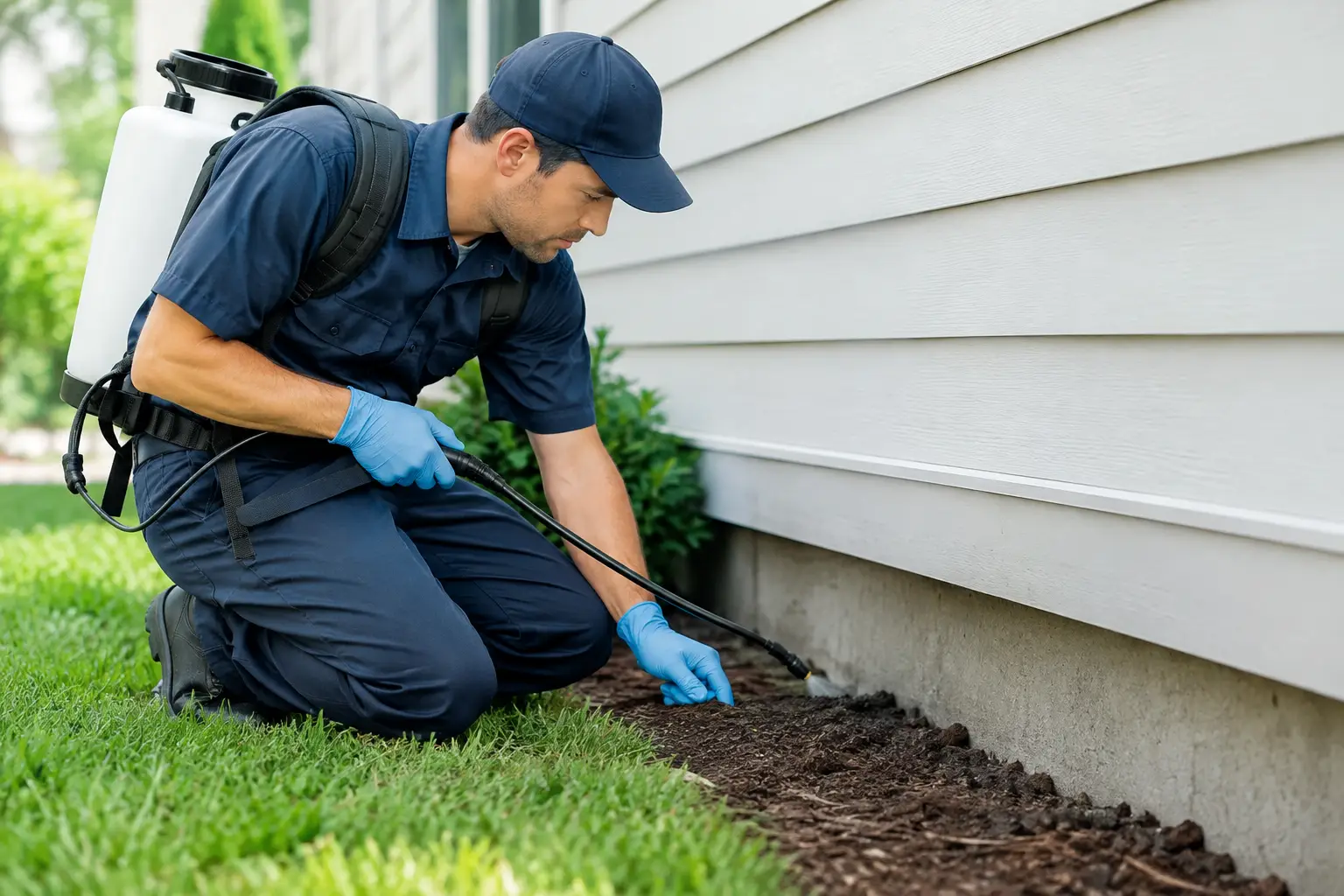
The central question is simple: if live termites are found after treatment, what will the pest management company do? Many warranties provide for a follow-up inspection and retreatment of the affected area where appropriate. The response may involve targeted soil treatment, localized treatment of infested timber, baiting, or another method suited to the property’s construction and the termite activity found.
The wording matters. Look for a clear definition of what qualifies as a covered recurrence. Old mud tubes, historic damage, or signs of previous activity do not necessarily indicate an active infestation. A qualified inspection should distinguish between past evidence and live termite presence before deciding on the next step.
The length of coverage and renewal requirements
A warranty should state its start date, end date, and renewal process. Annual coverage is common, but the appropriate interval depends on the treatment method, building design, environmental conditions, and property risk profile.
Do not assume coverage continues automatically. Some agreements require renewal inspections or scheduled maintenance visits to remain valid. This is not simply an administrative detail. Termite prevention depends on continued observation. Missing inspections can allow a new entry point or moisture problem to develop unnoticed.
Scheduled inspections
Inspections are one of the most useful parts of ongoing termite protection. A technician can check accessible areas for termite shelter tubes, damaged timber, excess moisture, wood-to-soil contact, and conditions that may allow concealed entry.
For commercial sites, inspections also help facility teams document pest management activity and identify building maintenance concerns before they affect operations. For homes, they provide practical guidance on issues such as leaking pipes, poor drainage, clutter near exterior walls, or landscaping that bridges termite access routes.
Scope of protected areas
A property may include a main building, additions, outdoor structures, false ceilings, storage areas, landscaping features, and utility zones. These are not always covered in the same way. The warranty should identify the building areas included and note any inaccessible locations.
This is especially relevant for properties with extensive renovations, concealed service ducts, raised flooring, or areas blocked by stored materials. If an inspection cannot reach a space, the provider cannot reasonably confirm its condition. Clear records protect both the customer and the service team from misunderstandings later.
What a Warranty Usually Does Not Cover
A professional warranty is valuable, but it has limits. Understanding exclusions upfront is part of making an informed decision.
Most termite warranties do not cover repairs to structural damage, replacement of damaged furniture, or losses caused by termites before treatment. Pest control and building repair are separate services, even though they may be needed at the same time. If damage is found, a qualified contractor or relevant building professional may need to assess its severity.
Coverage may also be affected when conditions that attract or enable termites are left unresolved. Persistent water leaks, poor drainage, timber in direct contact with soil, unreported construction changes, and blocked access for inspections can all increase risk. A good provider will explain these conditions clearly and recommend practical corrective action rather than using exclusions as a surprise.
It also depends on the termite species and treatment method. Subterranean termites require a different strategy from drywood termites, and a warranty designed for one type of termite may not apply to another. Ask what pest is covered and how the inspection confirmed the diagnosis.
Why Retreatment Alone Is Not Enough
A warranty that promises repeat treatment but does not include careful inspection and prevention can leave important gaps. Termites often travel through concealed spaces, and visible signs may appear far from the actual entry point. Applying treatment without reviewing the wider conditions can address the symptom while missing the reason activity returned.
Effective long-term protection combines treatment with risk reduction. This may include correcting moisture sources, improving drainage, removing timber debris, maintaining separation between soil and structural wood, and reviewing landscaping or renovation changes. The exact recommendations depend on the property, but the principle is consistent: termites are less likely to establish themselves where access, moisture, and food sources are controlled.
For businesses, this approach also reduces disruption. Preventive inspections can be planned around operating hours, tenant needs, food safety procedures, and site access requirements. Waiting until damage becomes visible is rarely the least disruptive option.
Questions to Ask Before You Sign
A warranty should be easy to understand, not filled with vague assurances. Before proceeding, ask the provider how long the warranty lasts, whether inspections are included, and what happens if live termites are found. Confirm whether follow-up treatment is included, whether there are call-out or inspection charges, and which parts of the property are covered.
You should also ask what you need to do to maintain coverage. Find out whether renewal is required, whether building alterations must be reported, and whether the provider will issue inspection reports or treatment records. These details are useful for property maintenance planning and can be particularly helpful for facility managers coordinating multiple vendors.
Finally, ask how the proposed treatment suits your site. A professional recommendation should reflect the construction type, infestation evidence, accessibility, occupancy, and safety needs of the property. One-off treatments may appear less expensive initially, but a tailored program with a clearly defined warranty can offer stronger long-term value.
Choosing a Provider You Can Rely On
The warranty is only as dependable as the company behind it. Look for a licensed pest management provider with relevant termite experience, trained technicians, transparent documentation, and a process for inspecting and responding to reported activity. The provider should take time to explain the treatment plan, potential limitations, and preventive measures without making unrealistic guarantees.
Servcare approaches termite management with inspection-led recommendations, professional treatment methods, and ongoing guidance designed to protect property with minimal unnecessary disruption. The goal is not merely to remove visible termites, but to reduce the conditions that allow an infestation to return.
A termite treatment warranty works best when it is treated as an active protection plan rather than a document kept in a drawer. Keep inspection appointments, address maintenance recommendations promptly, and report suspected activity early. Those simple steps give your property the best chance of staying protected long after the first treatment is complete.