


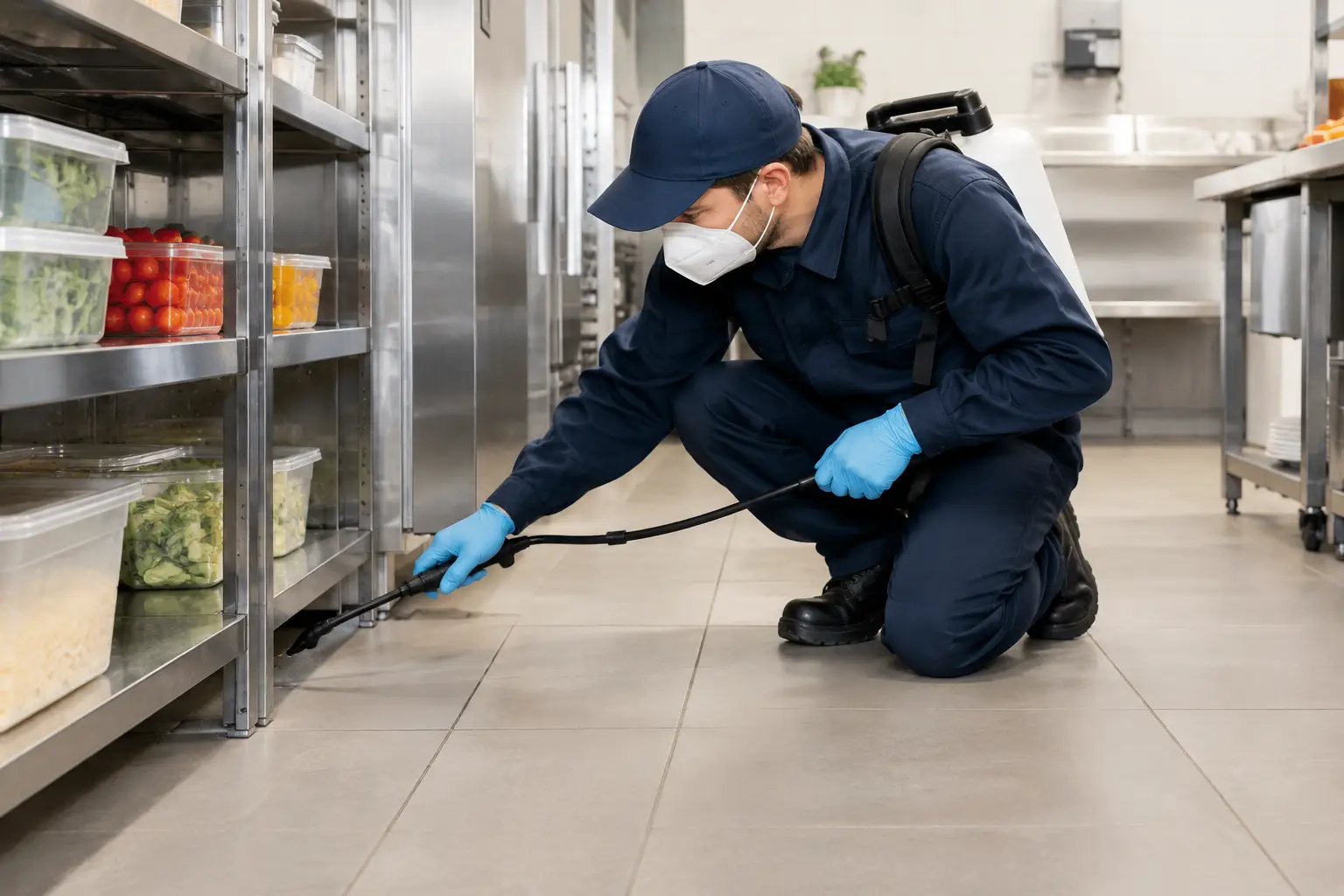
A single torn food packet, a drip beneath a refrigerator, or an unsealed trash bin can give pests exactly what they need to settle in. Effective food pest prevention is not about making a space look clean for the day. It is about removing the food, water, shelter, and access points that allow cockroaches, rodents, flies, ants, and stored-product pests to return.
For households, the concern is family hygiene and the comfort of a pest-free kitchen. For restaurants, retail outlets, offices, and industrial facilities, the stakes are higher: contamination, damaged stock, failed inspections, customer complaints, and disruption to operations. Prevention works best when daily habits and professional pest management support each other.
Why Food Pest Prevention Requires More Than Cleaning
Food pests do not need an obvious mess to survive. Rodents can feed on crumbs behind equipment and chew through lightweight packaging. Cockroaches are drawn to grease residue, moisture, and warm hiding places around appliances. Ants can locate tiny sugar spills, while pantry beetles and moths may arrive inside dry goods before they are even placed on a shelf.
Routine cleaning is essential, but it cannot solve every risk on its own. A kitchen may have spotless countertops while grease buildup remains under a cooking line, water collects in a floor drain, or gaps around pipes allow pests to enter. In commercial settings, deliveries, waste collection areas, false ceilings, and shared building services can also introduce pest pressure beyond the food preparation area.
The goal is to make the entire food environment less attractive and less accessible. That means looking beyond visible activity and identifying the conditions that support it.
Start With Food Storage and Stock Control
The most reliable first step is to protect food from access. Keep dry goods such as flour, rice, cereal, pet food, spices, and baking ingredients in sealed containers made from glass, metal, or durable food-grade plastic. Original cardboard and thin plastic packaging can be easily damaged by rodents and may conceal pantry pests.
In homes, avoid allowing half-open packets to accumulate in cabinets. In food businesses, use a first-in, first-out stock rotation system and inspect deliveries before they enter storage. Look for torn cartons, webbing in dry goods, insect casings, droppings, gnaw marks, or unusual odors. One affected package should be isolated immediately, not left among clean stock while someone decides what to do later.
Keep food storage areas organized enough to inspect. Products pushed tightly against walls or stacked directly on the floor create hidden zones where pests can feed and breed undisturbed. Raised shelving and reasonable spacing improve cleaning access and make early signs easier to spot.
Do Not Forget Non-Food Attractants
Pests are not selective. Pet bowls, birdseed, grease traps, beverage syrup, used cooking oil, and food-contaminated cardboard can all become food sources. Even a recycling bin with unwashed containers may support cockroaches, flies, or ants.
Remove these attractants as deliberately as you manage edible stock. Empty pet food bowls overnight where possible, rinse recyclables before storage, and keep used oil in properly sealed containers. Small changes at the end of each day can prevent a minor issue from becoming an established infestation.
Control Moisture Where Pests Need It Most
Water is often the missing piece in a pest problem. Cockroaches, rodents, and flies are more likely to remain where moisture is dependable, especially in warm service areas and kitchens. A small leak under a sink or behind a dishwasher can support pest activity long after accessible food has been removed.
Check plumbing connections, refrigerator drip trays, air-conditioning condensate lines, floor drains, and areas around water filters. Repair leaks promptly and dry wet surfaces rather than simply placing a bucket beneath them. In commercial kitchens, cleaning teams should pay close attention to difficult areas under equipment, behind ice machines, and around dishwashing stations.
Drain care matters as well. Organic buildup inside drains can attract drain flies and provide a food source for other pests. Regular mechanical cleaning, appropriate drain maintenance, and keeping nearby floors dry are more effective than relying on fragrance products to mask the problem.
Make Waste Management Part of Your Prevention Plan
Waste is one of the strongest pest attractants in any food environment. A bin that is not emptied frequently, fitted with a lid, or cleaned around its base can quickly draw flies, cockroaches, rodents, and ants.
Use lined bins with close-fitting lids and empty them before waste overflows. Clean the inside and outside of bins routinely, including wheels, handles, and the floor beneath them. Outdoor waste areas deserve the same attention as the kitchen because pests often feed outside before finding a route indoors.
For F&B and commercial operations, waste collection schedules should match the volume produced. If waste remains onsite for extended periods, ensure the holding area is clean, enclosed where practical, and free from standing water. Cardboard should not be allowed to build up near food storage or loading areas, as it offers both concealment and a potential food source for some pests.
Exclude Pests Before They Reach Food
Food pest prevention is much easier when pests cannot enter in the first place. Inspect door sweeps, window screens, vents, utility penetrations, pipe openings, and gaps around roller shutters. Rodents can enter through surprisingly small openings, while cockroaches and ants can use cracks that are easy to overlook.
Fit doors properly and avoid leaving them propped open during deliveries or cleaning. Where frequent access is unavoidable, consider practical barriers such as strip curtains, self-closing doors, or controlled receiving procedures. Screens and vents should be intact and clean, not damaged or blocked with debris.
Exclusion requires maintenance. Sealant can deteriorate, door sweeps wear down, and building movement can create new gaps. Regular inspections are more dependable than waiting for droppings, insects, or chewed packaging to reveal the problem.
Train People to Spot Early Warning Signs
The people who handle food, clean facilities, receive stock, or close a kitchen are often the first to notice a problem. They should know what to report and feel confident doing so quickly.
Common warning signs include cockroach droppings that resemble black pepper, rodent droppings or gnaw marks, greasy rub marks along walls, ants following a consistent trail, flying insects near drains, and damaged food packaging. Pantry pest activity may appear as small beetles, moths, larvae, or fine webbing in dry goods.
A simple reporting process prevents delays. Record where activity was seen, the date, the type of evidence, and any conditions nearby, such as a leak or food spill. This information helps a pest professional identify patterns and target the underlying source rather than treating only the area where pests were noticed.
When a Professional Inspection Is the Safer Choice
DIY products may reduce visible activity, but they can also drive pests deeper into walls, equipment voids, or neighboring areas. This is especially true for cockroaches and rodents, which often have hidden harborages or access routes that are not obvious to occupants.
Professional support is appropriate when pests keep returning, food or packaging has been contaminated, rodent evidence is present, or a business needs documented preventive measures. A qualified technician can assess pest species, breeding or nesting sites, entry points, sanitation risks, and the treatment approach that best fits the property.
The right plan should not be limited to a one-time spray. It should combine inspection, targeted treatment where needed, monitoring, proofing recommendations, and follow-up. In food-sensitive spaces, safety, placement, and minimal disruption matter as much as treatment effectiveness.
Build Food Pest Prevention Into Daily Operations
The strongest programs are consistent rather than complicated. At closing, remove food residue, store ingredients securely, empty waste, clean floors and drains, and check for water leaks. At receiving, inspect deliveries and keep damaged goods out of storage. On a scheduled basis, inspect hard-to-reach areas, doors, drains, shelves, and exterior waste zones.
For a household, these habits protect the kitchen and pantry without adding unnecessary effort. For a business, they become a practical part of food safety and facility management. If pest activity appears despite good housekeeping, treat it as useful evidence that there may be an access, moisture, or harboring issue that needs professional attention.
A well-maintained food area should give people confidence, not concern. Servcare can help property owners and businesses turn recurring pest risks into a clear, long-term prevention plan built around the way their space actually operates.