


A cluster of winged insects near a window, light fixture, or doorway can turn a normal evening into a property concern. To avoid termite swarms indoors, focus on the conditions that attract termites before reproductive termites emerge, find a route inside, and establish a colony close to your building. A swarm does not always mean termites are feeding inside the home, but it is a clear signal that professional inspection should not be delayed.
Termite swarmers are the winged reproductive members of a colony. They usually emerge when weather and moisture conditions are favorable, often after warm rainfall. Their purpose is to leave an established colony, pair up, and start a new one. When this happens indoors, the insects may have entered through an opening from outside, or they may have emerged from a concealed infestation within the structure.
Why Indoor Termite Swarms Need Prompt Attention
Unlike many nuisance insects, termites can cause damage quietly. Subterranean termites travel through soil and protected pathways, feeding on materials that contain cellulose, including timber, cardboard, paper products, and some forms of insulation. By the time visible signs appear, there may already be hidden activity behind walls, beneath flooring, or around structural elements.
A few flying insects near a window could be a seasonal event from outdoors. However, repeated swarms, discarded wings on floors or windowsills, mud tubes along walls, hollow-sounding wood, or doors that suddenly stick deserve closer investigation. These signs do not confirm the full extent of an issue on their own, but they justify a thorough assessment.
For businesses, the stakes can extend beyond repair costs. Termite activity can affect building maintenance schedules, tenant confidence, food-handling environments, inventory storage, and operational continuity. Early action is generally less disruptive and more cost-effective than waiting for visible damage.
How to Avoid Termite Swarms Indoors Before They Start
Prevention is not about one spray or one repair. It is about reducing access, limiting moisture, and removing conditions that make the property appealing to termites. The right approach depends on the building design, landscaping, drainage, age of the property, and any prior termite history.
Keep moisture under control
Termites are strongly drawn to damp, protected environments. Repair leaking pipes, dripping air-conditioning units, roof leaks, and faulty seals around bathrooms or kitchens as soon as possible. Pay attention to spaces that are easy to overlook, such as beneath sinks, behind appliances, under raised floors, and around service ducts.
Good drainage matters outside as well. Water should flow away from the foundation rather than collecting beside exterior walls. Clear blocked gutters and downspouts, and avoid allowing irrigation systems to soak the same section of the building repeatedly. In humid conditions, ventilation in enclosed utility areas and storage rooms can also help reduce persistent dampness.
Remove termite-friendly materials near the building
Wood-to-soil contact gives subterranean termites a concealed bridge from the ground to a structure. Keep firewood, timber offcuts, wooden pallets, cardboard boxes, and garden debris away from exterior walls and raised off the ground where possible. Do not assume treated wood or old packaging is harmless. These materials can still provide shelter or a food source.
Mulch can be useful for landscaping, but thick layers placed directly against a wall may retain moisture and make inspections more difficult. If mulch is used, keep a visible gap between it and the building perimeter. The goal is not to strip every planted area bare, but to make the foundation easier to monitor and less inviting to termites.
Seal entry points without trapping existing activity
Termite swarmers can enter through very small gaps around window frames, doors, utility lines, vents, and cracks in exterior surfaces. Weatherstripping, door sweeps, properly fitted screens, and sealing visible gaps can reduce the chance of swarmers finding their way indoors.
Sealing is a sensible preventive measure, but it is not a substitute for inspection. If you have seen mud tubes, damaged wood, or swarms emerging from a particular area, avoid simply sealing the opening and moving on. Termites may remain active behind the surface and find another route. The source must be identified and treated correctly.
Reduce light attraction during swarming periods
Winged termites are attracted to light. During known swarming periods, close windows and doors before evening, repair torn insect screens, and reduce unnecessary exterior lighting near entrances. If outdoor lighting is needed for safety, consider directing it away from doors and windows instead of leaving bright fixtures pointed at the building.
This step can limit indoor nuisance, but it will not prevent a colony from developing. Think of lighting adjustments as a useful layer of protection, not the whole solution.
What to Do If Termite Swarmers Appear Inside
Stay calm and avoid spraying random household insecticides into cracks, walls, or floor gaps. Killing the visible swarmers may make the immediate situation look better, but it does not eliminate the colony that produced them. It can also interfere with an inspection by scattering evidence.
First, collect a small sample or take clear photos. Termite swarmers can be confused with flying ants, and correct identification matters. Termites typically have straight antennae, a broad waist, and four wings of similar length. Flying ants usually have bent antennae, a narrow waist, and front wings that are longer than their rear wings.
Then note where and when the swarm appeared. Check nearby windowsills, baseboards, ceiling edges, plumbing areas, and exterior walls for discarded wings, mud tubes, moisture, or damage. Vacuuming the insects is fine for immediate cleanup, but keep a sample if possible and do not disturb suspected mud tubes before an inspection.
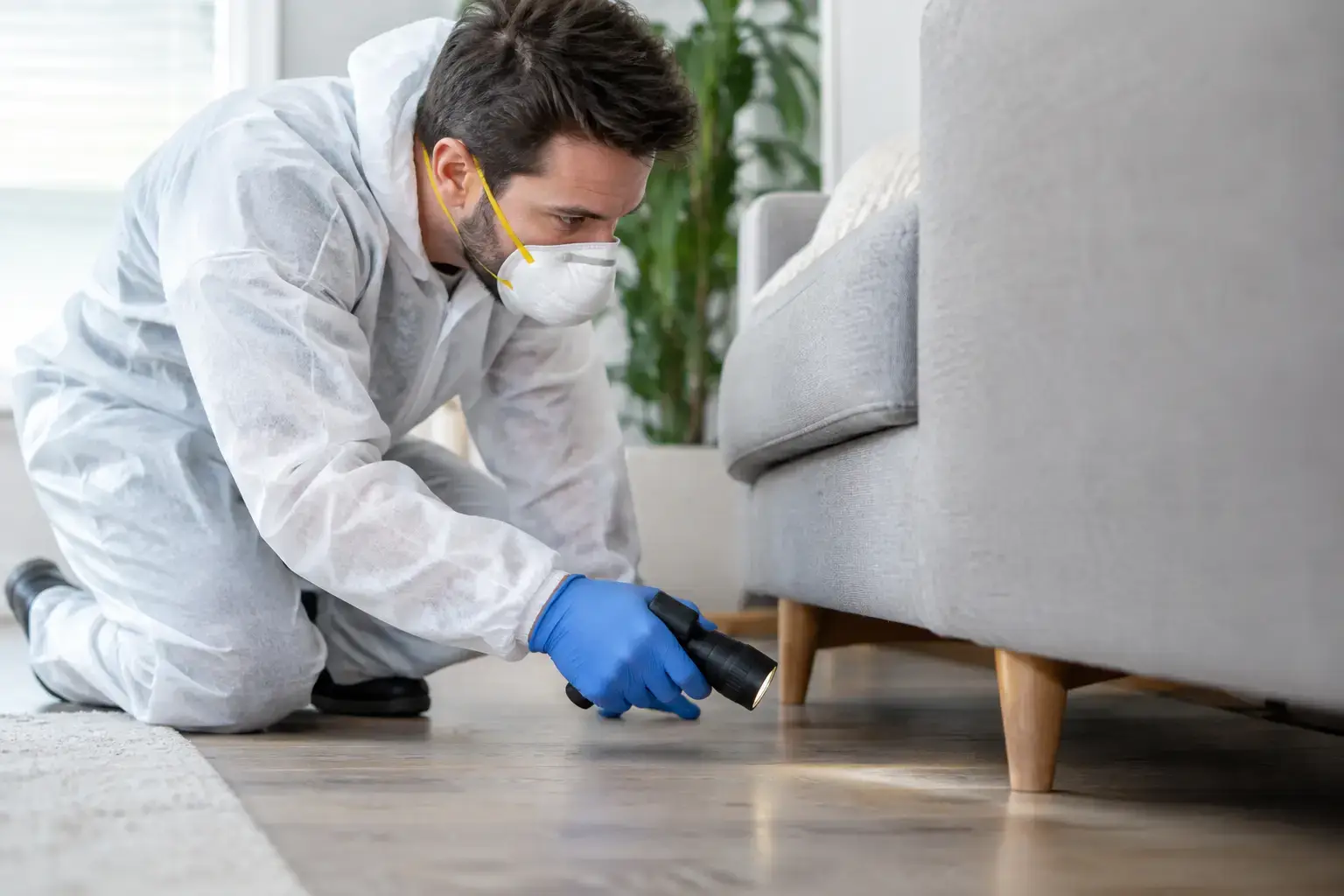
Arrange a professional termite inspection promptly, especially if swarmers emerged from a wall, floor, built-in cabinet, or other enclosed area. A trained technician can assess whether the swarm likely entered from outdoors or indicates activity within the property. Depending on the findings, treatment may involve targeted colony control, soil treatment, baiting, localized corrective work, or a combination of methods.
Avoid Common Prevention Mistakes
The most common mistake is treating visible swarmers as the problem rather than as a warning sign. Swarmers live only briefly, and they do not cause the structural damage themselves. The colony workers are the concern, because they remain hidden and continue feeding.
Another mistake is relying only on do-it-yourself barriers. Caulk, screens, and dry conditions help, but termites can travel through concealed routes that are not obvious during a casual check. Older properties, homes with past water damage, and buildings surrounded by dense landscaping may need more frequent professional monitoring.
It is also risky to postpone action because no damage is visible. Termite feeding often occurs behind finished surfaces, where it can remain unnoticed. A professional inspection provides a clearer picture and helps avoid unnecessary treatment when no active infestation is found.
Build Prevention Into Property Maintenance
The best termite strategy is ongoing prevention rather than emergency response. Include termite checks when scheduling plumbing repairs, roof maintenance, exterior painting, landscaping work, or renovations. Contractors can unintentionally create termite access by leaving timber scraps near the structure, covering inspection areas with soil or landscaping, or allowing water to pool around foundations.
For commercial properties, assign responsibility for reporting moisture issues, winged insect sightings, and signs of timber damage. Facility teams do not need to diagnose termites themselves, but a consistent reporting process prevents small observations from being overlooked. Regular inspections are especially valuable where buildings have complex service areas, storage zones, or high moisture exposure.
Servcare approaches termite management with inspection-led recommendations designed around the property, its risk conditions, and the need for lasting protection. The objective is not simply to clear away visible insects, but to address the conditions and colony activity that can put a building at risk.
A termite swarm indoors is worth taking seriously, but it does not need to become a crisis. Prompt identification, practical moisture and access control, and professional guidance can protect your property while restoring the peace of mind that comes from knowing the real source has been addressed.