


A single mosquito bite in a condominium can feel like a small nuisance. Repeated bites, resident complaints, and concern over mosquito-borne disease are different matters altogether. This mosquito control condominium guide explains how residents, management councils, and facility teams can work together to reduce breeding risks before they become a recurring property-wide problem.
Condominiums present a particular challenge because mosquito breeding can occur in both private and common areas. A drain outside one unit, a neglected planter on a balcony, or stagnant water in a shared landscape feature may affect many households. Effective control depends on clear responsibilities, regular inspection, and professional treatment when risk or activity is identified.
Why Mosquito Issues Spread Quickly in Condominiums
Mosquitoes need very little standing water to breed. Water collected in saucers, roof gutters, floor traps, discarded containers, ornamental features, or poorly maintained drains can be enough. In a high-density residence, mosquitoes can move between balconies, corridors, gardens, parking areas, and nearby buildings with ease.
Singapore’s warm, humid conditions also allow mosquito populations to develop quickly. This means a response cannot rely only on spraying when adult mosquitoes are seen. Adult treatment may provide immediate relief in selected areas, but it does not solve the source if larvae are developing nearby. Long-term protection starts with finding and removing breeding habitats.
For management teams, the challenge is often visibility. Common areas may be inspected routinely, while breeding sites inside private units go unnoticed. Residents, contractors, cleaners, landscapers, and security personnel all have a role in reporting conditions that could hold water.
A Mosquito Control Condominium Guide Starts With Ownership
The most reliable condominium mosquito control programs divide responsibilities clearly. Management should oversee shared facilities, building maintenance, vendor coordination, and communication. Residents should check their own balconies, planters, household containers, and floor drains. Service providers should inspect systematically, identify risk patterns, and recommend measures suited to the site.
This division matters because uncertainty creates gaps. A resident may assume a blocked balcony drain is the management’s responsibility, while management may not know it exists. A written reporting process helps close that gap. Residents should know whom to contact when they notice mosquito activity, standing water, blocked drains, or neglected areas.
Management committees can support cooperation by communicating practical expectations rather than simply issuing reminders. Explain why checks are needed, which areas residents should inspect, and what will happen if a potential breeding site is found. A respectful approach encourages earlier reporting and faster correction.
Inspect the Areas That Commonly Hold Water
A useful inspection looks beyond obvious puddles. Mosquito breeding sites are often small, shaded, and overlooked during routine cleaning. Inspections should be more frequent after heavy rain, construction work, landscaping changes, or reports of increased mosquito bites.
In common areas, facility teams should pay close attention to roof gutters, drainage channels, catch basins, plant trays, irrigation systems, refuse areas, outdoor furniture, air-conditioning drainage points, decorative water features, and basement drainage. Any area with poor water flow deserves follow-up, especially if leaves, sediment, or debris can block drainage.
Within units, residents should empty and scrub plant saucers, pails, vases, pet bowls, and containers stored outdoors. They should also check balcony drains, air-conditioning trays, laundry areas, and unused items that can collect rainwater. If a drain is slow, damaged, or persistently wet, it should be reported rather than covered up or ignored.
Construction and renovation can introduce temporary risks. Unused equipment, protective sheets, open containers, and materials left outdoors may trap rainwater. Management should ensure contractors maintain clean work areas and remove water-holding items promptly.
Remove Breeding Conditions Before Treatment Is Needed
Source reduction is the foundation of mosquito prevention. It means eliminating standing water, improving drainage, and maintaining areas where water is meant to flow or collect. These measures are often more effective over time than relying on insecticide applications alone.
For example, clearing a blocked drain addresses the condition that allows larvae to develop. Treating the drain without fixing the blockage may only delay the next cycle. Similarly, a water feature may need circulation, maintenance, or a revised design if it repeatedly creates mosquito risk.
There are situations where water cannot be removed, such as certain drainage structures or operational water features. In these cases, a pest management professional may recommend targeted larval control, monitoring, or other site-specific measures. The right method depends on the type of water source, its location, access, and the presence of people, pets, and sensitive environments nearby.
Know When Adult Mosquito Treatment Helps
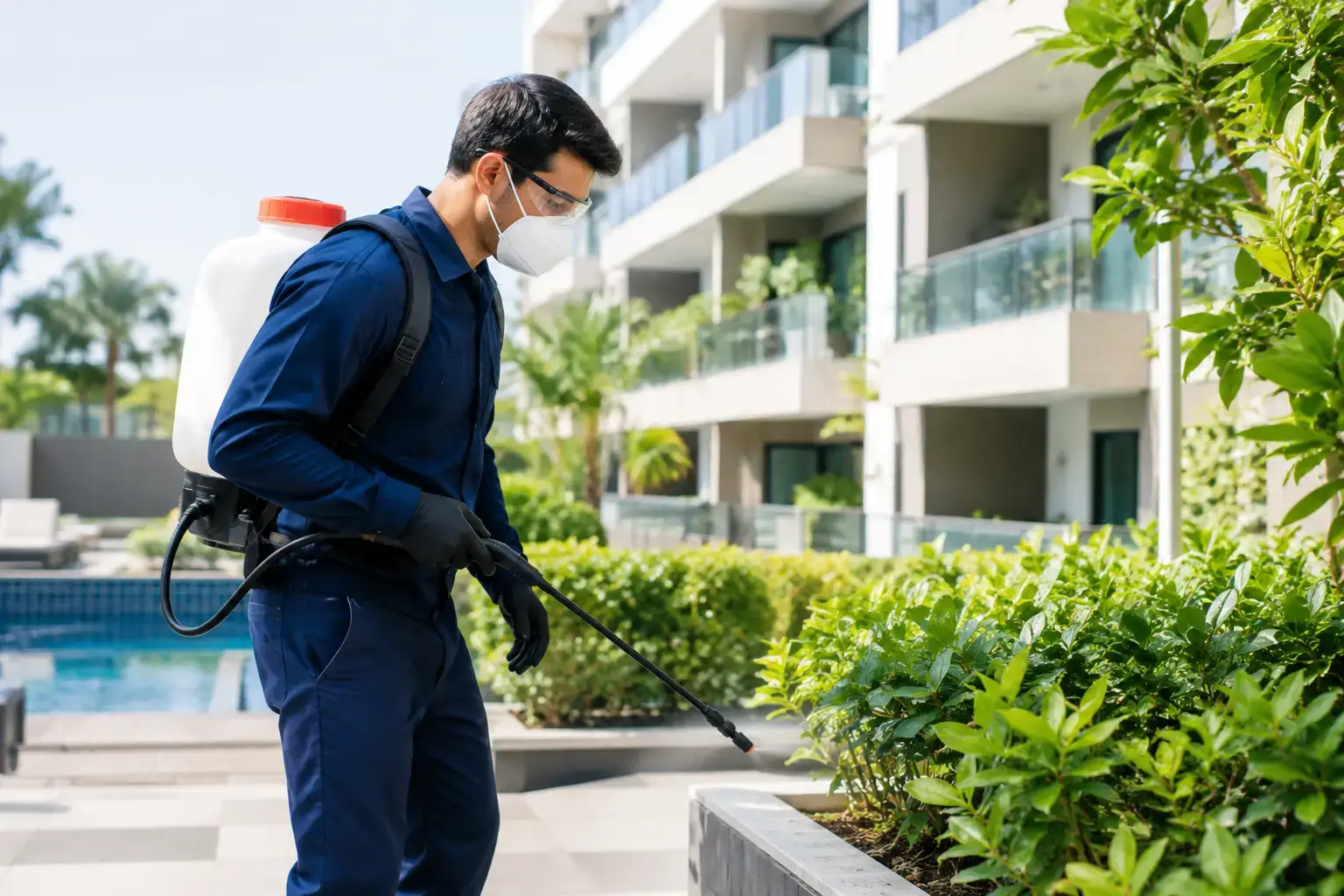
Fogging and other adult mosquito treatments can be appropriate when there is active mosquito activity, a cluster of complaints, or an elevated risk identified through inspection. These treatments are designed to reduce adult mosquitoes in targeted areas. They should be part of a broader plan, not the only action taken.
Timing, weather, site layout, and mosquito resting habits all affect results. Outdoor treatment may be less effective during rain or strong wind, while dense landscaping and concealed spaces can require careful inspection and coverage planning. A professional should assess where mosquitoes are likely resting and whether source reduction has already been completed.
Residents also need clear advance notice when treatment is scheduled. Notices should state the affected areas, timing, any reasonable precautions, and who to contact with questions. Good communication reduces disruption and reassures households that the work is being carried out with safety in mind.
Build a Reporting and Response Process
The best condominium programs make reporting simple. A resident who notices mosquitoes should not have to determine the species or locate the breeding source before raising a concern. A clear report with the location, time of day, and pattern of activity gives the management team a useful starting point.
Management can then log reports by block, floor, and common area. Patterns may reveal an issue that is not apparent during a single inspection, such as repeated activity near a particular landscape zone or drainage line. This record also helps verify whether treatment and maintenance actions are reducing complaints over time.
A practical response process should include inspection, corrective action, follow-up, and communication. If a likely breeding site is found, it should be removed, cleaned, repaired, or treated as appropriate. If no source is immediately visible, inspection should expand to nearby units and shared infrastructure rather than stopping at the first location checked.
Choose Professional Support for Complex or Recurring Activity
Recurring mosquito problems usually point to an unresolved condition, not simply a need for more spraying. Professional pest control support is valuable when mosquito activity persists, breeding sites are difficult to access, or the property needs a structured prevention plan.
An experienced provider can inspect the property as a system: landscape, drainage, refuse handling, building exterior, utility zones, and resident-facing areas. They can also advise on treatment intervals, targeted larval control, documentation, and practical improvements that fit the condominium’s operations.
Servcare combines trained technicians, science-backed methods, and long-term prevention planning to help properties address mosquito risks with minimal disruption. For condominiums, the goal is not a temporary reduction in visible mosquitoes. It is a safer, better-managed environment where breeding opportunities are consistently controlled.
Keep Prevention Part of Routine Property Care
Mosquito prevention works best when it is integrated into regular maintenance instead of treated as an occasional campaign. Drain cleaning, landscape checks, housekeeping reviews, and post-rain inspections should all include attention to water accumulation. Management can also review mosquito concerns during contractor meetings and site walk-throughs.
Residents are more likely to cooperate when they see that management is taking the issue seriously and acting on reports. Brief, timely reminders before rainy periods or after treatment can be more effective than long notices sent only after complaints increase.
A well-run condominium does not wait for mosquito activity to become highly visible. It creates a habit of checking, reporting, and correcting small water-holding conditions early. That everyday discipline protects resident comfort and gives everyone greater peace of mind.