

A single cockroach near the kitchen sink, faint scratching in the ceiling, or a line of flying insects around a window can be easy to dismiss. But pests rarely stay isolated for long. If you are asking when should you call pest control, the safest answer is usually before the activity becomes visible throughout your property.
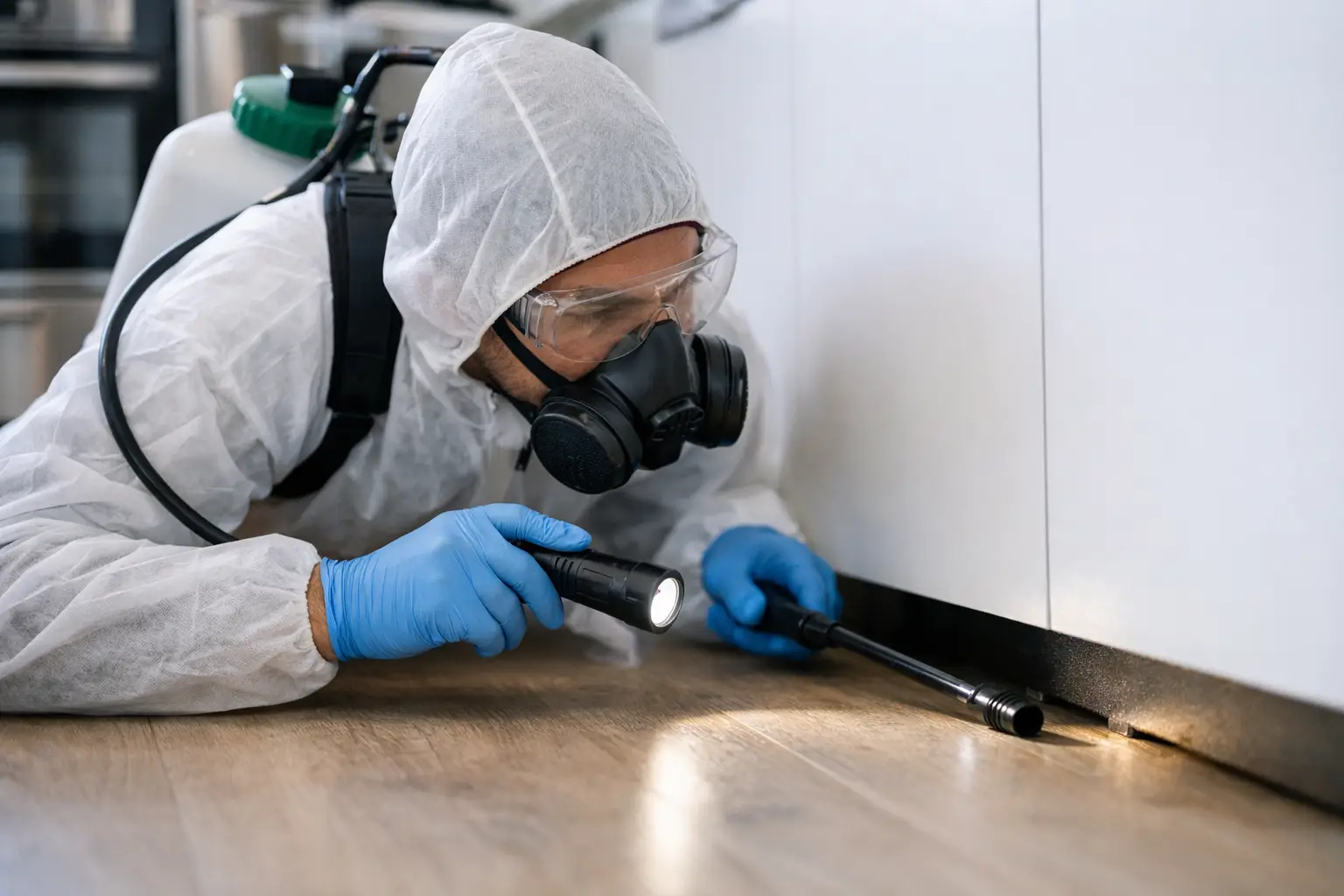
Professional pest management is not only for severe infestations. An early inspection can identify where pests are entering, feeding, nesting, or breeding, then address the source before disruption, contamination, or damage grows. For homes, that means protecting comfort and family hygiene. For businesses, it can mean protecting operations, customer confidence, stock, and compliance.
When Should You Call Pest Control Instead of Waiting?
Call when you see a pattern, not just a pest. One insect brought in on a bag or an occasional mosquito after rain may not require a full treatment. Repeated sightings, fresh signs of activity, or pests appearing in sensitive areas are different. They suggest a condition inside or around the property is supporting an infestation.
Waiting can appear less expensive in the short term, but it often makes treatment more involved. Rodents reproduce quickly, cockroaches can spread through hidden voids, and termites can continue feeding behind walls or beneath flooring without obvious surface damage. The earlier the issue is assessed, the more targeted and manageable the response can be.
There are also situations where a professional should be your first call rather than a last resort. These include pest activity around food preparation areas, signs of termite damage, rodents in ceilings or wall voids, recurring bites or mosquito breeding concerns, and any infestation affecting a commercial premises.
Signs That Need Professional Attention
Cockroaches keep returning after cleaning or sprays
Seeing a cockroach during the day can indicate a larger population competing for shelter at night. Other warning signs include small dark droppings, shed skins, egg cases, a musty odor, or activity around drains, cabinets, appliances, and electrical areas.
Store-bought sprays may kill the insects you see, but they may not reach hiding places or interrupt the breeding cycle. Professional cockroach control starts with identifying the species, likely harborages, and contributing conditions such as moisture, grease buildup, gaps, or access to food. This is especially relevant in kitchens, F&B premises, staff pantries, and multi-unit properties where pests can move between spaces.
You hear, see, or smell rodents indoors
Rodent activity deserves prompt attention because rats and mice can contaminate food and surfaces, damage wires, and carry parasites. Scratching at night, gnaw marks, greasy rub marks along walls, droppings, torn packaging, and a persistent urine-like odor are all reasons to arrange an inspection.
Do not assume a trap catching one rodent has solved the problem. The key question is how it got in and whether more are present. Effective rodent control combines removal with proofing recommendations, sanitation measures, and monitoring. Without closing entry points, an empty trap today can become another problem next month.
Termites are swarming or wood sounds hollow
Subterranean termites are among the pests least suited to a wait-and-see approach. They can travel through soil and concealed routes to feed on timber, often causing damage before homeowners notice anything unusual.
Call a professional if you find winged insects or discarded wings near windows, doors, or lights; mud-like shelter tubes along walls or foundations; bubbling paint; damaged timber; or wood that sounds hollow when tapped. Swarming insects are sometimes confused with flying ants, but an inspection can confirm what you are dealing with.
Termite treatment is not simply a matter of spraying exposed insects. It requires a careful assessment of the structure, the likely access points, and the extent of risk. Early action can help avoid more disruptive repairs later.
Mosquitoes are breeding close to the property
A mosquito indoors is irritating. Repeated mosquito activity around a home, workplace, landscape area, drain, or outdoor dining space is a reason to investigate breeding conditions. Mosquitoes need very little standing water, and breeding sites can be hidden in containers, drains, plant trays, roof gutters, and poorly maintained outdoor areas.
For properties with regular foot traffic, the concern is not just comfort. Mosquito activity can affect the confidence of residents, employees, visitors, and customers. A professional assessment helps identify breeding sources that may be missed during routine checks and supports a more reliable reduction plan.
Situations Where DIY Measures Are Not Enough
Basic prevention still matters. Keeping food sealed, removing clutter, cleaning spills, managing waste, and reducing standing water all make a property less attractive to pests. These actions work best as part of a larger plan, not as a substitute for treatment once an infestation is established.
DIY products can be appropriate for a minor, isolated issue when used according to their labels. The trade-off is that they often address visible pests rather than nests, entry routes, breeding sites, or protected harborages. Overuse can also expose people, pets, or sensitive work areas to unnecessary chemicals.
Professional help is particularly valuable when pests return after repeated DIY attempts, when you cannot locate the source, or when treatment must be carried out carefully around children, pets, food, equipment, or customers. A qualified provider can recommend the least disruptive method that fits the infestation and the property.
Why Businesses Should Act at the First Sign
For a business, even a small pest sighting can become an operational concern. A cockroach in a customer area, rodent droppings near inventory, or flies and mosquitoes around a service area may affect hygiene standards, employee confidence, and reputation.
F&B operators should not wait for repeated sightings near preparation or storage areas. Offices, retail spaces, warehouses, and industrial facilities also benefit from early action because pest activity can spread through loading zones, false ceilings, drainage systems, storage rooms, and shared building areas.
A dependable pest management program is designed around the site. It may include inspection, treatment, monitoring, sanitation guidance, exclusion measures, and scheduled follow-up. This approach gives facility managers a clearer record of what was found, what was done, and what should be monitored next.
What to Expect From a Professional Inspection
A proper inspection should do more than confirm that pests are present. The technician should look for evidence of activity, identify likely species where possible, assess the severity of the issue, and inspect conditions that allow pests to persist.
You should also expect practical guidance. That may include recommendations to seal gaps, improve waste handling, repair moisture issues, clear clutter, or change storage practices. Treatment recommendations should be explained clearly, including what preparation is needed, what areas will be treated, and how follow-up will help prevent recurrence.
For larger properties or recurring issues, ongoing monitoring is often a better investment than occasional emergency treatment. Pest pressure changes with weather, construction activity, neighboring premises, and seasonal conditions. Regular attention helps detect problems before they become disruptive.
Choose Prevention Before the Problem Spreads
The right time to call is when pest activity begins to affect your confidence in the safety, hygiene, or condition of your property. You do not need to wait for a severe infestation, visible damage, or customer complaint to take action.
Servcare helps homeowners and businesses assess pest activity, treat the source with science-backed methods, and put practical prevention in place. A timely inspection can turn an uncertain warning sign into a clear plan for protecting your space and your peace of mind.