

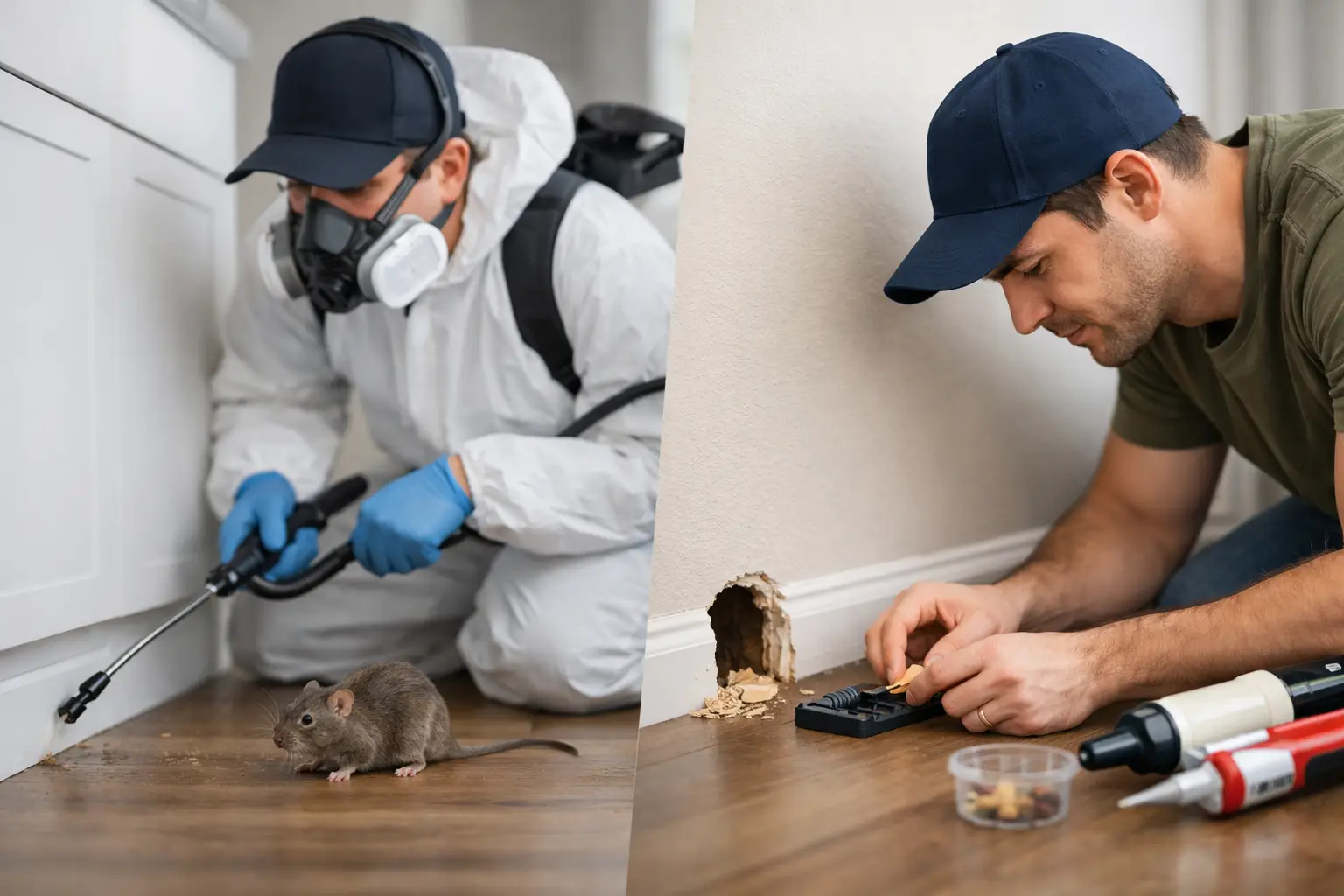
A cockroach seen near the kitchen sink, mosquito bites that keep returning, or scratching sounds above a ceiling can make anyone reach for a spray can. For a small, isolated issue, that first response may be reasonable. But the choice between professional pest control vs DIY becomes more serious when pests keep returning, put health at risk, or threaten a property’s structure and reputation.
The right answer is not always the most expensive option or the fastest-looking one. It depends on the pest, the scale of activity, the people using the space, and whether the real source of the problem has been identified. DIY products can play a limited role. Professional treatment brings inspection, targeted control, and prevention together when a lasting result matters.
Professional Pest Control vs DIY: The Real Difference
DIY pest control is usually product-led. A homeowner or business operator spots a pest, buys a trap, bait, repellent, or aerosol, and treats the visible area. This can be useful for monitoring occasional activity or dealing with a single, minor issue before it develops.
Professional pest control is diagnosis-led. A trained technician looks beyond the pest that has been seen to assess access points, nesting areas, food and water sources, breeding conditions, and signs of a wider infestation. The treatment plan should then match the pest, site conditions, and level of risk.
That difference matters because pests are rarely active in only one visible place. Cockroaches may hide inside cabinet voids, appliance motors, drainage areas, or wall gaps. Rodents can enter through surprisingly small openings and travel through ceiling spaces. Mosquitoes breed where water is allowed to collect. Subterranean termites may cause damage out of sight for years before obvious signs appear.
A product may reduce what is visible. Effective pest management addresses why the pest is there and how it is surviving.
When DIY Can Be a Sensible First Step
DIY is not automatically a poor choice. For a low-level, occasional pest issue, simple measures can be practical and cost-conscious. A few ants near a food spill, a single flying insect entering through an open window, or an isolated cockroach brought in through packaging may not require a full treatment program.
Start with basic housekeeping and exclusion. Store food in sealed containers, remove waste promptly, dry wet surfaces, clear clutter, and seal minor gaps where appropriate. Sticky monitors and properly placed traps can also help confirm where activity is occurring. These actions support any pest control effort, whether handled independently or by a professional.
DIY is most likely to work when the source is obvious, the activity is limited, and the chosen product is used exactly as directed. It is less suitable when there are children, pets, food preparation areas, sensitive occupants, or a commercial environment where an incorrect application could create safety or compliance concerns.
There is also a cost consideration. A small purchase may appear less expensive than a service visit, but repeated spending on products that do not resolve the cause can become costly. More importantly, delays may allow a manageable issue to develop into an established infestation.
Where DIY Treatment Often Falls Short
Many over-the-counter products are designed for general consumer use, which means they may not be suited to the conditions behind a persistent infestation. The issue is not simply product strength. It is correct identification, placement, timing, dosage, and follow-up.
For example, spraying cockroaches in an open area may kill a few insects but miss harborages and egg cases. Some pests may scatter into new hiding places after being disturbed, making future treatment more difficult. Rodent poison used without a plan can leave an animal inaccessible within a wall or ceiling, creating odor and hygiene problems. Improperly used chemicals can also expose people, pets, and food-contact surfaces to unnecessary risk.
DIY efforts also tend to focus on one room or one obvious point of activity. In homes, multifamily buildings, restaurants, offices, and industrial facilities, pests may be moving through shared service areas, drains, loading zones, false ceilings, storage rooms, or structural gaps. Without a full inspection, treatment can become a cycle of temporary relief followed by another outbreak.
The Hidden Cost of Waiting
Waiting is especially risky with termites and rodents. Subterranean termites feed within concealed areas and can compromise timber before a property owner sees blistered paint, hollow-sounding wood, or mud tubes. Rodents contaminate surfaces and stored goods, damage wiring, and can create serious concerns for food businesses.
Mosquito control also requires more than treating adult mosquitoes that are already flying. Breeding prevention, site assessment, and attention to standing water are essential. If breeding conditions remain, the problem simply restarts.
What Professional Pest Control Adds
A professional provider brings a structured process that is difficult to replicate with a retail product alone. It begins with inspection and pest identification, followed by a treatment approach designed for the site. The goal is to control current activity while reducing the conditions that allow pests to return.
For residential customers, this means protecting family health, daily comfort, and the condition of the home without relying on guesswork. For businesses, it means protecting operations, customer confidence, staff well-being, and hygiene standards with minimal disruption.
A quality service should explain what was found, what treatment is recommended, and what the property owner or site team can do next. It should not rely on a one-time spray as the entire solution. Depending on the pest and infestation level, monitoring visits, follow-up treatment, exclusion work, sanitation guidance, and preventive scheduling may all be appropriate.
Professional-grade products and equipment are only part of the value. Technical judgment is what determines whether they are used safely and effectively. Experienced pest management teams understand pest behavior, treatment limitations, and the importance of applying control measures only where needed.
At Servcare, this approach is supported by more than two decades of operational experience, science-backed methods, and entomologist guidance. The focus is not simply on removing the pest you can see. It is on creating dependable, long-term protection for the property.
Choosing the Right Response for Common Pests
Cockroach activity should be taken seriously when sightings are frequent, occur during the day, or appear in kitchens, bathrooms, and food storage areas. These signs can point to a larger population nearby. A professional inspection can identify harborages and select a control method that reaches the infestation without unnecessary broad spraying.
For rodents, droppings, gnaw marks, grease trails, damaged packaging, and sounds in ceilings are all reasons to act promptly. Traps can help with a single intruder, but recurring signs call for a plan that includes proofing entry points and addressing nesting routes.
For mosquitoes, household repellents may offer short-term personal protection. They do not solve breeding conditions around a property. Professional assessment is valuable where mosquito activity is persistent or where a site has drainage, landscaping, roof gutters, containers, or other areas that can hold water.
Termites are a clear case for professional involvement. Because their activity is often concealed, visible damage is rarely the full picture. Treatment should be based on a detailed assessment of the structure, termite species, and extent of activity.
Questions to Ask Before Hiring a Provider
Not every pest problem requires the same scope of service, so ask how the provider will inspect the property and how it will determine the pest involved. Ask what safety measures are used around occupants, pets, food, and sensitive areas. You should also understand whether follow-up is recommended, what prevention steps are expected from you, and how the provider will measure progress.
For commercial sites, clear documentation and a preventive plan are particularly valuable. F&B operators, retailers, offices, and industrial facilities need confidence that pest management supports their hygiene routines and operating standards, not just a quick response after a complaint.
The best decision is the one that matches the risk. Use practical DIY measures for minor, clearly understood issues, but do not let repeated sightings become your normal. When pests are recurring, concealed, widespread, or affecting a sensitive environment, professional support provides the clarity and control needed to protect the space properly.
A pest-free property is rarely the result of one product. It comes from consistent attention to sanitation, access points, monitoring, and timely treatment when the signs call for more than a quick fix.