

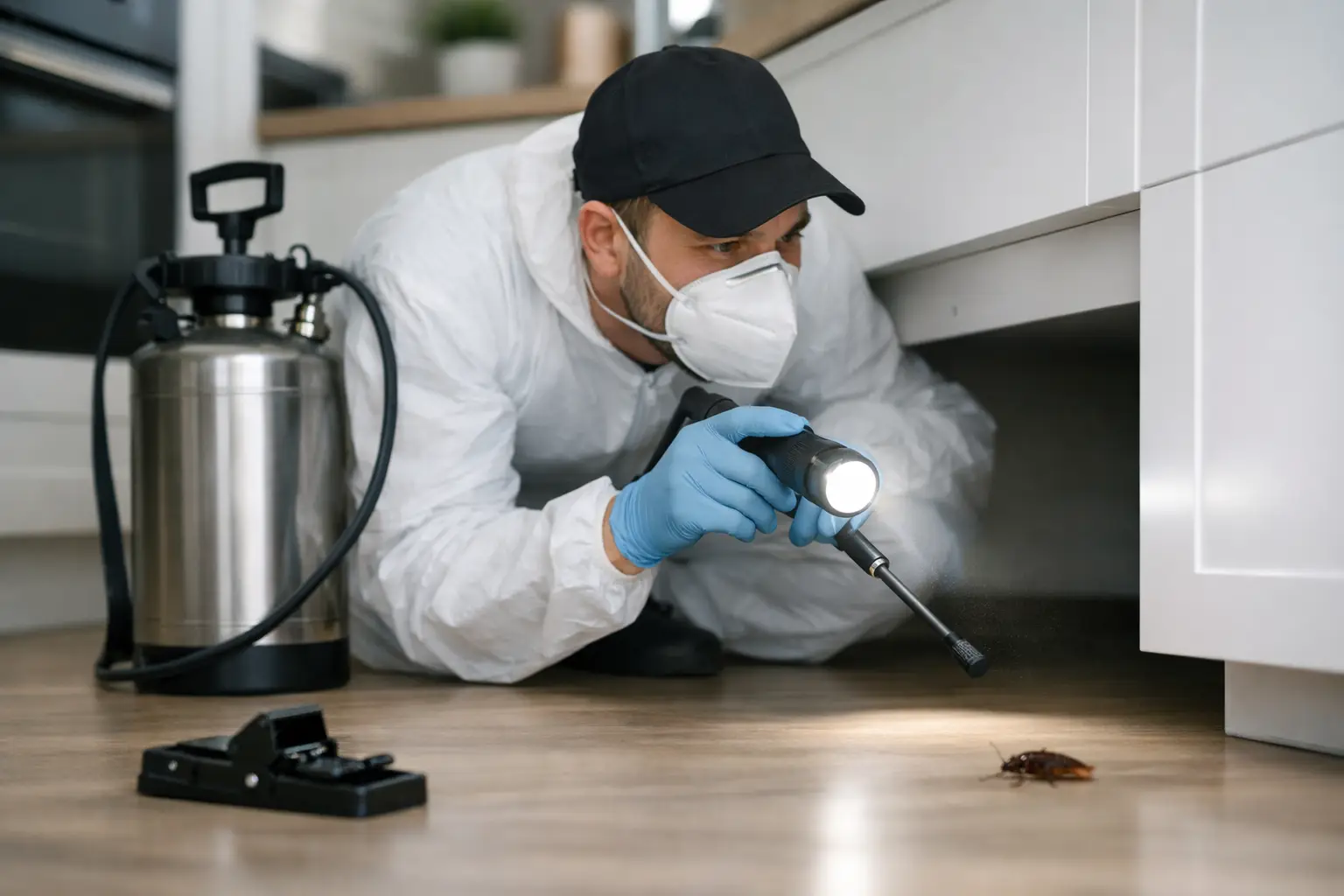
A pest problem rarely stays contained. A few cockroaches near the kitchen can point to a hidden harboring area. Rodent activity can threaten food safety and wiring. Termites may damage timber long before visible signs appear. Knowing how to choose a pest control company helps you respond with confidence, protect the people using your property, and avoid repeating the same treatment cycle.
The right provider does more than apply a product and leave. They identify the pest, inspect the conditions allowing it to thrive, explain the recommended treatment, and help reduce the chance of future activity. That approach matters whether you manage a family home, an office, an F&B outlet, a retail space, or an industrial facility.
Start With Licensing, Training, and Accountability
Pest control involves products, equipment, and treatment methods that must be used responsibly. Begin by confirming that the company holds the relevant licenses and complies with local pest management requirements. In Singapore, that means checking for the appropriate National Environment Agency licensing.
Credentials alone are not a guarantee of results, but they are a necessary starting point. A properly licensed provider is accountable for safe operational practices and is more likely to follow established standards for treatment, storage, documentation, and waste handling.
Ask who will conduct the service and what training they receive. Experienced technicians should be able to discuss pest behavior, likely entry points, nesting or breeding conditions, and the practical limits of a treatment. For complex or persistent infestations, access to entomologist support is an added advantage. It brings scientific insight to decisions about treatment timing, product selection, and prevention.
Choose Inspection Over a One-Size-Fits-All Quote
A reliable company should be interested in what is happening at your property before recommending a solution. The pest species, level of activity, layout of the site, sanitation conditions, nearby construction, and vulnerable occupants all affect the treatment plan.
For example, cockroach control may require targeted treatment around cracks, utility penetrations, drains, food-preparation areas, and storage zones. Mosquito control depends on locating potential breeding sources and addressing standing water. Rodent control should include an assessment of access points, food sources, droppings, rub marks, and nesting locations. Subterranean termite control requires careful evaluation of the building structure, soil conditions, and possible concealed entry routes.
Be cautious if a provider offers a firm solution without asking meaningful questions or inspecting the affected areas. A quick response can be valuable when pests are active, but speed should not replace diagnosis. The best treatment is not always the most extensive one. It is the one that addresses the actual risk with the least unnecessary disruption.
Ask How the Treatment Protects People, Pets, and Operations
Safety should be explained clearly, not treated as a vague promise. Ask what products and methods the company plans to use, where they will be applied, and what precautions are required before, during, and after the service.
A professional provider should give straightforward guidance on preparing the area, handling food and utensils, protecting pets, and allowing staff or family members to return to treated spaces. In commercial settings, they should also consider operational constraints such as customer-facing hours, food handling procedures, inventory, equipment, and workplace safety protocols.
Eco-conscious pest management does not mean every situation can be resolved without treatment products. It means using an informed, measured approach that combines targeted applications with exclusion, sanitation recommendations, monitoring, and habitat reduction. The right balance depends on the pest and the property. Ask the company why its proposed method is suitable for your situation.
Look for a Prevention Plan, Not Just Pest Removal
A treatment can reduce visible activity quickly, but lasting protection requires more than removing the pests you can see. When considering how to choose a pest control company, pay close attention to what happens after the initial service.
A strong provider will explain the conditions contributing to the infestation and offer practical recommendations. This may include sealing gaps around pipes and doors, improving waste management, correcting moisture issues, storing food properly, clearing clutter, or changing how deliveries and stock are handled.
Ongoing service is especially valuable where pest pressure is continuous. F&B businesses, warehouses, shared residential buildings, and facilities with frequent deliveries often need routine monitoring and preventive treatment rather than a single visit. That does not mean every property needs the same schedule. A professional company should recommend service intervals based on documented risk, pest activity, and the nature of your operation.
Compare the Scope of Service, Not Only the Price
Two proposals can look similar on the surface while delivering very different levels of protection. Before deciding, compare what is included: inspection, treatment areas, number of visits, monitoring devices, follow-up checks, reporting, and recommendations for prevention.
For business operators, documentation can be as important as the treatment itself. Clear service reports help facility managers track recurring issues, demonstrate due diligence, and coordinate repairs or housekeeping improvements. F&B and regulated environments may also need records that support internal audits and hygiene requirements.
Ask whether the quote covers follow-up visits if activity persists, and clarify what circumstances may require additional work. An honest provider will set realistic expectations. Some infestations take time to control because eggs hatch after treatment, pests migrate from neighboring areas, or structural conditions cannot be corrected immediately. Promises of instant, permanent results without an inspection should raise concerns.
Evaluate Communication Before You Commit
Pest issues can be stressful, particularly when they affect a home, customer experience, or food safety. The company you choose should communicate in a way that is clear, responsive, and respectful.
Notice whether the representative listens to your concerns and asks relevant questions. Do they explain the problem in plain language? Are they specific about next steps, preparation requirements, and expected outcomes? Do they distinguish between urgent action and optional improvements?
Good communication is also a sign of technical discipline. A provider that documents findings, explains treatment decisions, and gives practical aftercare instructions is better positioned to manage the problem consistently. This is particularly useful for multi-site businesses and property managers who need a dependable point of contact and a clear service history.
Check Experience With Your Type of Property
Residential and commercial pest management share core principles, but the operational demands can differ significantly. A home may need a discreet treatment plan that protects children, pets, and daily routines. An office may need service coordinated around staff access and common areas. A restaurant needs careful attention to food safety, drains, grease areas, storage, and delivery points. Industrial sites may require broader monitoring across loading bays, exterior perimeters, production areas, and waste zones.
Ask for examples of the types of properties the company regularly serves and the pests they commonly manage. Long-term experience is useful when it is paired with current methods, trained technicians, and a willingness to tailor the plan. Servcare, for example, combines more than two decades of operational experience with licensed pest management practices, professional-grade treatments, and prevention-focused recommendations.
Questions Worth Asking Before You Decide
Before approving a service, make sure you can get clear answers to these questions:
- What pest has been identified, and what evidence supports that finding?
- Which areas will be inspected and treated, and why?
- What safety steps are required for occupants, pets, food, equipment, or stock?
- How many visits are expected, and how will progress be measured?
- What changes can I make to reduce future pest activity?
- What reports, monitoring records, or follow-up support will I receive?
The answers should feel specific to your property, not copied from a generic script. A capable pest control company will be transparent about the work, realistic about the timeline, and focused on reducing the conditions that let pests return.
The best time to choose a provider is before a small sign becomes a larger disruption. Choose a team that treats your property with care, explains its recommendations honestly, and gives you a practical path toward a safer, more comfortable space.