

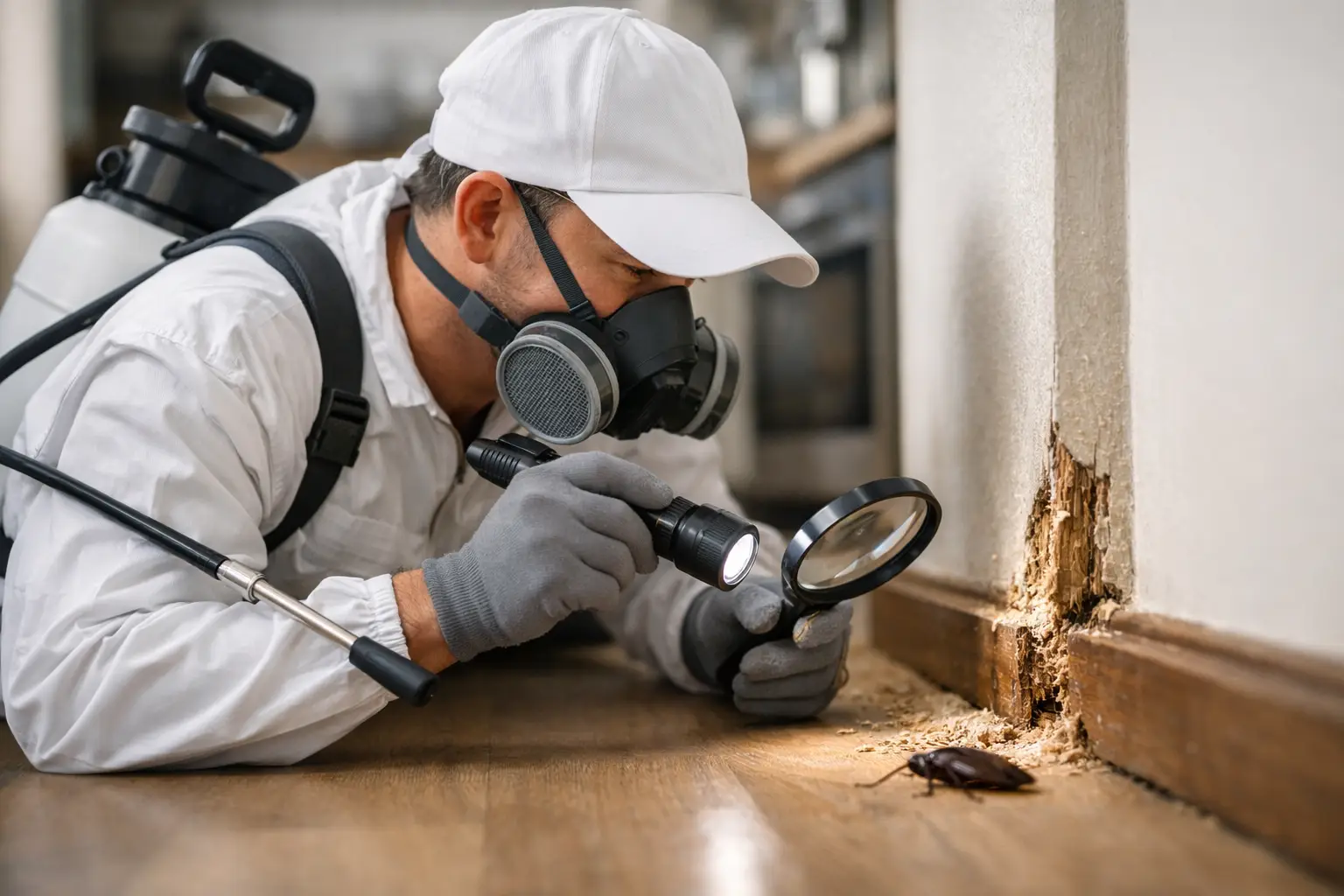
A pest inspection is more than a search for visible insects or rodent droppings. It is the first step in understanding what is attracting pests, where they are moving, and how far activity may have spread. For homeowners, this can mean protecting family health and the condition of a property. For businesses, it can mean preventing contamination, complaints, operational disruption, and damage to hard-earned reputation.
A proper inspection replaces guesswork with a clear plan. Rather than applying a general treatment to the most obvious area, a trained technician assesses pest behavior, environmental conditions, entry points, and the signs that reveal an active or developing infestation.
Why a Pest Inspection Matters
Pests are rarely limited to the place where they are first noticed. A cockroach seen near a kitchen sink may be nesting inside a cabinet void, around plumbing penetrations, or in a nearby electrical compartment. Rodent droppings in a storeroom may point to gaps along a service duct, poorly managed waste, or access from an adjacent unit. Winged termites near a window can signal a swarm, but the more serious concern is whether subterranean termites are already traveling through concealed areas of the building.
An inspection helps identify the source before the issue grows. This matters because different pests require different responses. Mosquito control focuses on breeding prevention and water management. Cockroach control requires attention to harborage areas, food residue, moisture, and sanitation. Rodent control depends on exclusion, monitoring, and reducing available food sources. Subterranean termite control requires careful assessment of soil-to-structure pathways and vulnerable building areas.
The trade-off is straightforward: a quick, generalized spray may provide short-term relief, while a thorough assessment takes more care but gives treatment a stronger chance of resolving the underlying problem. When recurring activity is the concern, inspection-led pest management is the better investment.
What Happens During a Professional Pest Inspection
A qualified technician begins by listening. Details such as where pests were found, when activity is most noticeable, recent renovations, water leaks, and waste-handling practices can all help narrow the search. In commercial settings, the inspection may also consider delivery schedules, food preparation areas, storage practices, staff facilities, and shared service corridors.
The physical assessment then focuses on the areas most likely to support pest activity. This commonly includes kitchens, bathrooms, utility spaces, ceilings, false walls, drains, loading areas, refuse points, storerooms, and exterior perimeters. The technician looks for evidence such as live pests, droppings, egg cases, gnaw marks, grease trails, damaged materials, mud tubes, moisture issues, and possible entry gaps.
Looking Beyond the Visible Signs
The most useful findings are often not immediately obvious. Pests prefer protected, quiet spaces close to food, water, and warmth. That means the inspection should look behind equipment, beneath sinks, around floor drains, along pipe penetrations, within cabinet joints, and at the edges of walls and floors.
For rodent activity, technicians may identify rub marks along travel routes, gaps beneath doors, damaged seals, and openings around conduits. For cockroaches, they may find harborages in cracks, hinges, appliances, or drainage systems. For termites, inspection may involve checking accessible wooden elements, damp areas, expansion joints, and signs of concealed soil movement.
Not every inspection will uncover a large infestation. Sometimes the result is reassurance that there is no established activity, alongside practical recommendations to reduce future risk. That is still a valuable outcome, particularly for a property undergoing renovation, preparing for occupancy, or managing a high-sensitivity environment such as an F&B operation.
Common Issues a Pest Inspection Can Identify
A professional assessment is designed to connect pest sightings with the conditions that enable them. The most common findings generally fall into four areas:
- Access points: Gaps around pipes, damaged door sweeps, unsealed vents, cracks, and poorly fitted utility openings can allow pests to enter and travel through a property.
- Food and waste sources: Exposed food, overflowing bins, grease buildup, unsecured stock, and inconsistent cleaning can sustain cockroaches, rodents, and flies.
- Moisture and breeding conditions: Leaks, condensation, standing water, clogged drains, and damp voids create favorable conditions for mosquitoes, cockroaches, termites, and other pests.
- Harborage and nesting sites: Clutter, cardboard storage, unmaintained landscaping, wall voids, and inaccessible service areas can provide protection for pests to breed or remain hidden.
For commercial properties, findings may also reveal operational weak points. A pest issue near a receiving bay, for example, may be linked to incoming goods, open doors during deliveries, or waste awaiting collection. Addressing only the visible pests without correcting those conditions leaves the business exposed to repeat activity.
When to Schedule a Pest Inspection
Visible pest activity is a clear reason to arrange an inspection, but it is not the only one. Early action is especially sensible when you notice repeated sightings, droppings, unexplained bites, odd odors, damaged packaging, chewed wires, mud-like tubes on walls, or signs of moisture around wooden fixtures.
A pest inspection is also useful before moving into a property, after extensive renovation, or when taking over a commercial space. New occupants can inherit concealed pest conditions from previous tenants, especially in units that have been vacant, heavily used for food preparation, or connected to neighboring properties through shared building services.
Businesses should also consider routine inspections as part of preventive maintenance. Restaurants, food retailers, warehouses, offices, and industrial facilities have different risk profiles, but all benefit from early detection. In regulated or customer-facing settings, a documented, professionally managed program can help demonstrate that pest risks are being addressed responsibly.
What to Expect After the Inspection
The inspection should lead to recommendations that match the pest, level of activity, property layout, and your operational needs. A credible provider will explain what was found, why it matters, and what should happen next. The plan may include targeted treatment, monitoring devices, proofing work, sanitation improvements, drainage recommendations, or scheduled follow-up visits.
Treatment should be proportionate to the issue. A single pest sighting does not always require the same approach as an established infestation. Likewise, a severe infestation may need more than one visit because pest life cycles, hidden harborages, and environmental conditions can affect results. Clear communication about these realities helps set reasonable expectations and prevents a false sense of security after the first treatment.
For homes, the goal is to restore comfort while protecting family members and pets through careful product selection and application. For businesses, the goal also includes minimizing disruption, supporting hygiene standards, and protecting operations. Experienced pest management teams plan treatment around the site rather than forcing every property into the same process.
Choosing the Right Pest Control Partner
The quality of the inspection influences every step that follows. Look for a provider with relevant licensing, trained technicians, reliable reporting, and the ability to explain recommendations in practical terms. Technical expertise matters, but so does the willingness to understand how a property is used and where disruption must be minimized.
Servcare combines experienced pest management practices with tailored recommendations for homes and businesses. Its approach focuses on identifying the conditions behind pest activity, applying appropriate treatment methods, and helping customers maintain long-term protection rather than relying on temporary fixes.
If you have noticed early warning signs, do not wait for a minor concern to become a costly infestation. A careful inspection gives you a clearer view of the risk and a practical path toward a cleaner, safer, more comfortable property.