

A cockroach seen near the kitchen sink, mosquito bites after a rainy week, or fresh termite mud tubes along a wall are rarely isolated problems. The best pest control methods do more than remove the pests you can see. They identify why activity started, treat the source safely, and reduce the conditions that allow an infestation to return.
For households and businesses, that distinction matters. A quick spray may provide short-term relief, but lasting protection requires the right treatment for the pest, the property, and the level of risk. Food areas, family spaces, storage rooms, offices, and industrial facilities each need a practical plan that controls pests without creating unnecessary disruption.
Why one-off treatments often fall short
Pests survive because they can access food, water, shelter, and entry points. If these conditions remain unchanged, even a treatment that kills active pests may not prevent the next wave. Cockroaches can breed in hidden cracks around plumbing and equipment. Rodents can return through gaps no wider than a small coin. Mosquitoes can develop from standing water in a matter of days, while subterranean termites may continue feeding inside concealed areas long before visible damage appears.
The most dependable approach combines inspection, targeted treatment, exclusion, and follow-up monitoring. This is commonly known as integrated pest management, but the principle is simple: solve the cause as well as the symptom.
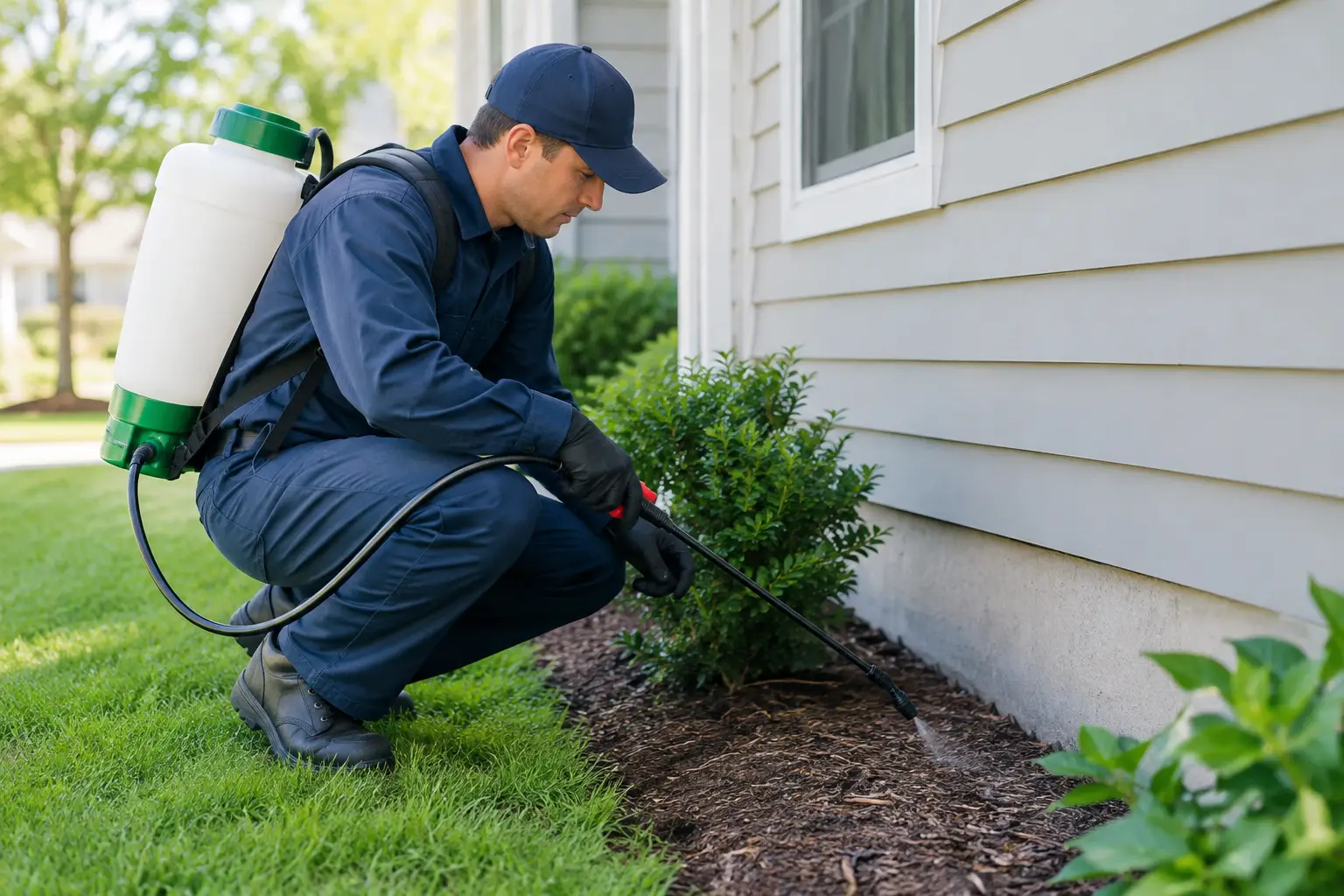
Treatment should also match the infestation. Broad chemical application is not always the best answer, especially in homes with children or pets, food-handling environments, or sensitive commercial operations. Professional-grade products, correct application methods, and well-timed follow-up work together to control pests with safety and practicality in mind.
Best pest control methods start with inspection
A detailed inspection is the foundation of effective pest management. Before selecting a treatment, a technician should assess the pest involved, locate activity, identify likely nesting or breeding sites, and check for access points and contributing conditions.
For example, cockroach droppings, egg cases, and grease trails can indicate where colonies are established. Rodent rub marks, gnawing, droppings, and damaged packaging help reveal travel routes. In termite cases, inspection may include checking susceptible timber, damp zones, expansion joints, and areas around pipes or foundations.
Inspection is especially valuable when activity seems to disappear and then return. Recurrence usually indicates that the original source was not fully addressed, an access route remains open, or neighboring conditions are contributing to pressure on the property. A tailored plan prevents time and money from being spent on treatments that do not fit the real problem.
Control cockroaches with targeted treatment and hygiene
Cockroach control requires more than spraying visible insects. Roaches are nocturnal, highly mobile, and skilled at hiding in narrow gaps behind cabinets, appliances, drains, and electrical fixtures. Seeing one during the day can be a sign that a larger population is competing for hiding spaces.
Effective cockroach management typically combines targeted application in harborages with sanitation improvements. Food residue, grease buildup, overflowing trash, and water leaks can support ongoing activity. In commercial kitchens and F&B operations, cleaning schedules and waste management are central to pest prevention, not separate housekeeping concerns.
Gel baits can be useful when placed precisely in active areas, allowing roaches to carry the treatment back to concealed harborages. Residual treatments may also be used in suitable cracks and voids. The right method depends on the species, the severity of activity, and the setting. For heavy infestations, follow-up visits are often necessary because eggs may hatch after the initial treatment.
Reduce mosquito breeding at the source
Mosquito control is most effective when breeding sites are removed or treated before adult populations increase. Adult mosquito fogging can reduce active mosquitoes in a specific area, but it does not eliminate larvae developing in stagnant water nearby. That is why source reduction should be the priority.
Check common collection points such as plant saucers, roof gutters, drains, containers, tarps, unused equipment, and outdoor storage areas. Water that appears insignificant can still provide a breeding site. On larger properties, regular inspections help identify areas where rainwater collects repeatedly.
Where standing water cannot be removed, a trained pest professional can recommend appropriate larval control measures. Outdoor vegetation management, drainage improvements, and regular site checks can also reduce resting areas and breeding conditions. This layered approach is more reliable than treating adult mosquitoes alone.
Stop rodents by removing access and pressure
Rodent control should address both the population and the routes rodents use to enter. Rats and mice are attracted to accessible food, cluttered storage, poor waste containment, and sheltered voids. They can contaminate food, damage wiring, and create serious hygiene concerns for homes and businesses.
Traps and bait stations are useful tools, but placement is critical. Rodents tend to travel along walls, behind stored items, and near protected edges rather than across open areas. A professional assessment can determine the right control method while considering children, pets, customers, and staff.
Exclusion is what turns rodent treatment into long-term protection. Seal gaps around utility lines, doors, vents, and pipes. Repair damaged screens and door sweeps. Store food and materials in secure containers, keep waste areas clean, and avoid allowing cartons or equipment to create undisturbed nesting spaces. In commercial environments, documentation and routine monitoring also support operational standards and early intervention.
Protect property from subterranean termites
Subterranean termites are among the most serious pest threats because they can damage timber from within. They travel through soil and moisture-rich pathways, often entering structures through small cracks, service penetrations, or contact between wood and the ground. By the time damage is obvious, the infestation may already be extensive.
The best termite control method depends on the construction of the property, the infestation location, and the termite species. Professional options may include targeted soil treatment, localized treatment of affected areas, baiting systems, or a combination of methods. The goal is to disrupt the colony and create protection around vulnerable areas.
Termite treatment is not a situation for guesswork or retail products. Improper treatment can drive termites into new sections of a structure without resolving the colony. Regular inspections are valuable for properties with known moisture issues, landscaping close to the building, previous termite history, or exposed timber features.
Prevention is part of every effective plan
The best pest control methods are preventive by design. After treatment, practical improvements make a property less attractive and less accessible to pests. These measures are often straightforward, but they must be consistent.
Maintain clean food preparation and dining areas, repair leaks promptly, and keep drains and waste zones in good condition. Reduce clutter in storage spaces so inspections and cleaning are easier. Seal gaps around doors, windows, pipes, and utility entries. Outdoors, keep vegetation from pressing against walls, clear blocked gutters, and prevent water from pooling.
For businesses, prevention also means assigning clear responsibilities. A pest management program works best when cleaners, kitchen teams, maintenance staff, and facility managers know what signs to report and how daily practices affect pest risk. Early reporting can turn a small issue into a routine service visit rather than an operational disruption.
When professional pest control is the better choice
DIY measures can help with minor, early-stage activity, particularly when they focus on sanitation and exclusion. However, professional support is the better choice when pests are recurring, spreading across multiple areas, affecting food or business operations, or causing possible property damage.
A qualified provider can identify the pest accurately, select treatment methods appropriate to the setting, and provide a structured prevention plan. In Singapore, selecting an NEA-licensed pest management company offers added confidence that work is carried out with the proper standards and accountability. Servcare combines experienced technicians, entomologist support, and tailored treatment plans to help homes and businesses resolve pest concerns with minimal disruption.
Lasting pest control is not about using the strongest product or treating every surface. It is about making informed decisions early, addressing the conditions pests depend on, and keeping protection in place after the immediate problem is gone.