


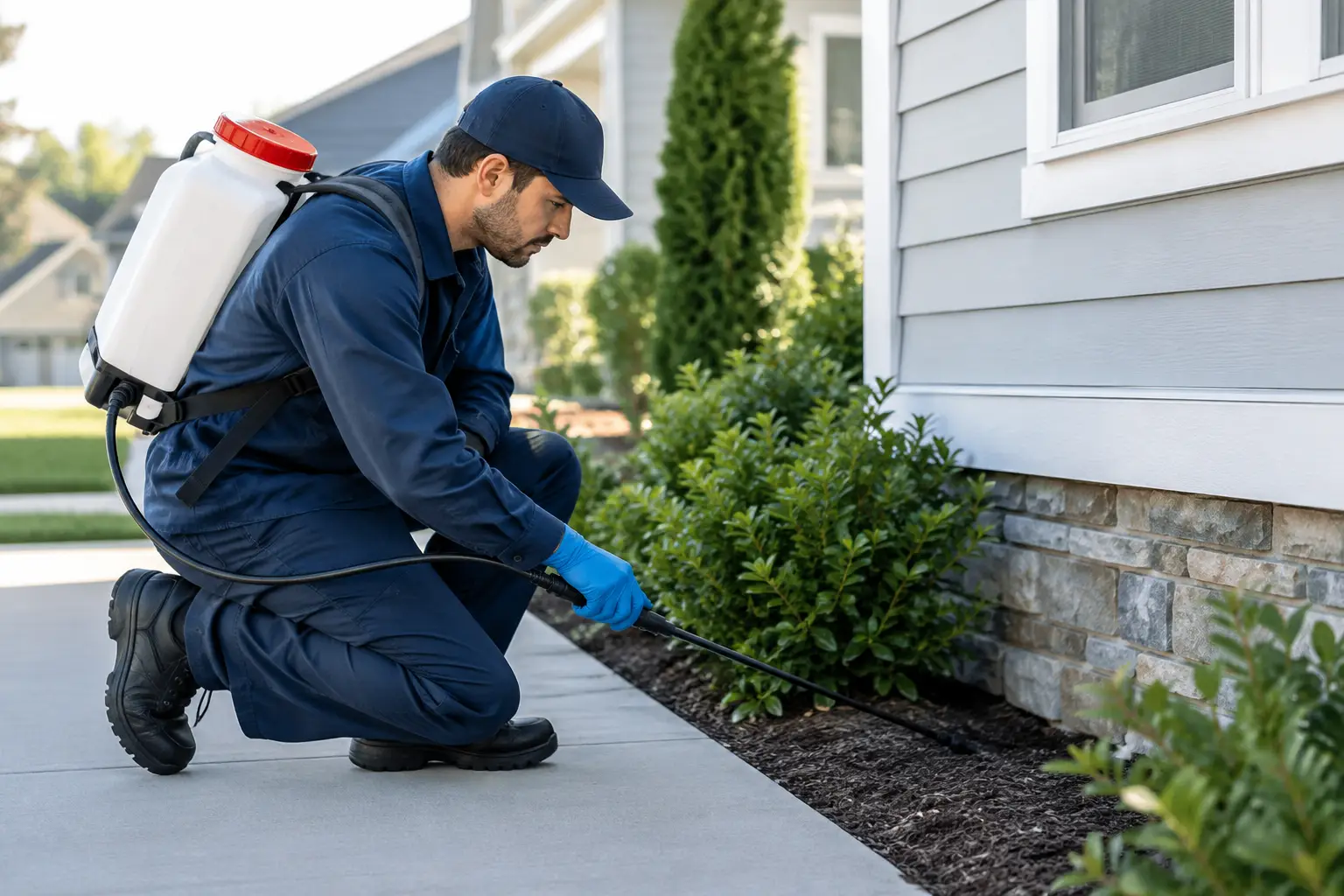
A cockroach seen after closing time, fresh rodent droppings near a storeroom, or mosquito activity around a home is rarely a problem solved by one treatment. Pest control contracts provide a planned response: regular inspections, targeted treatments, monitoring, and prevention measures that reduce the conditions pests need to return.
For households, this means greater confidence that the places where children, pets, and family members spend time are being managed with care. For businesses, it means protecting hygiene standards, stock, customer trust, and daily operations. The right agreement is not simply a schedule of spray visits. It is a practical long-term protection plan built around the risks of a particular property.
Why One-Time Treatments Often Fall Short
A single treatment can be appropriate for a contained or newly discovered pest issue. However, pests do not appear at random. They are drawn to food, moisture, shelter, access points, and breeding areas. Unless those conditions are identified and addressed, activity can return after the immediate population has been reduced.
Cockroaches can remain hidden in cracks, drains, kitchen equipment, and utility areas. Rodents may enter through gaps around pipes, doors, or loading bays. Mosquitoes can breed in small amounts of standing water, while subterranean termites can travel unseen from the soil into structural timber. Each pest has a different behavior, life cycle, and treatment requirement.
That is why a professional contract focuses on more than visible pests. It creates a routine for finding early warning signs, treating active pressure responsibly, and recommending corrective actions before a minor issue becomes a costly infestation.
What Pest Control Contracts Should Include
A useful agreement begins with an inspection, not a generic promise. The provider should assess the property type, pest history, vulnerable areas, operating hours, and any safety considerations. A restaurant kitchen, condominium unit, warehouse, and landed home do not face the same pest pressures or require the same service frequency.
Scheduled Inspections and Monitoring
Regular inspections give technicians the opportunity to check conditions that can change between visits. A new leak, damaged door sweep, overflowing bin area, landscaping work, or renovation can all create new entry points and harborages.
Monitoring devices may be used where appropriate to track pest activity over time. This provides a clearer picture of where pressure is increasing and whether treatment measures are working. For commercial properties, documented findings also help facility teams demonstrate that pest risks are being actively managed.
Treatments Matched to the Pest and Environment
Professional pest management should be based on the pest involved, the level of activity, and the way the space is used. Effective cockroach control may involve gel baiting, targeted crack-and-crevice treatment, and recommendations for sanitation and moisture control. Rodent control may combine trapping, baiting where suitable, monitoring, and proofing advice.
For mosquito control, the focus should include identifying potential breeding habitats and reducing larvae before they develop into biting adults. Termite protection requires a different level of care, often involving detailed inspection, treatment of affected areas, and a prevention strategy based on the building and surrounding ground conditions.
The objective is to use the right method in the right location, with attention to people, pets, food-handling areas, and the environment. More chemical is not automatically better. A considered treatment plan is safer and more likely to deliver lasting results.
Clear Reports and Practical Recommendations
After each service, clients should understand what was found, what was done, and what requires attention before the next visit. Reports are particularly valuable for F&B operators, retailers, offices, and industrial facilities where multiple staff members share responsibility for premises management.
Recommendations should be specific and achievable. Rather than simply advising a client to “keep the area clean,” a technician might identify an unsealed pipe opening, a floor drain that needs maintenance, food debris behind equipment, or cartons stored too close to a wall. Small improvements can significantly reduce pest pressure when they are acted on consistently.
Choosing the Right Service Frequency
The best service interval depends on the property and its exposure. High-risk locations such as food preparation areas, waste rooms, loading bays, and facilities with frequent deliveries may need more frequent inspections than a low-traffic office. A home with an active infestation may initially require closer follow-up before moving to a maintenance schedule.
There is no benefit in paying for unnecessary visits. At the same time, choosing the least frequent option without considering the risk can allow pest activity to build unnoticed. A reliable provider will explain why a recommended frequency is appropriate, rather than applying the same schedule to every customer.
Seasonal conditions also matter. Heavy rain can change rodent movement and mosquito breeding patterns. Construction nearby can disturb pest habitats and drive activity toward neighboring buildings. Regular service gives clients a way to respond to these changing conditions without starting from zero each time.
Questions to Ask Before Signing a Contract
The strongest pest control contracts set realistic expectations. They define the service scope, visit frequency, covered pests, reporting process, and responsibilities on both sides. Before committing, ask how the provider will inspect the property, how treatments will be selected, and how progress will be measured.
It is also sensible to ask whether the company is properly licensed and whether its technicians are trained to work in your type of environment. In Singapore, businesses should look for an NEA-licensed provider and clear standards for safety, recordkeeping, and pesticide use. Technical support from experienced pest professionals or entomologists can be especially valuable when activity is persistent or difficult to identify.
Consider these practical points when comparing proposals:
- Which pests are covered, and are termite inspections or treatments included separately?
- How often will visits take place, and can the schedule change if activity increases?
- What monitoring, reporting, and follow-up are included?
- What actions will the property owner, tenants, or staff need to take?
- Are treatments suitable for homes with children or pets, food premises, and sensitive work areas?
Price matters, but it should not be the only comparison point. A low-cost contract that offers little inspection, vague reporting, or no prevention guidance may leave the underlying problem untouched. Value comes from competent service, appropriate treatment, responsive communication, and evidence that risks are being reduced over time.
Responsibilities That Make a Contract Work
Pest management is most effective when the service provider and property occupants work together. Technicians can identify risks and treat active problems, but daily conditions are shaped by how a site is maintained.
For homeowners, this may mean repairing leaks, storing food properly, clearing clutter, and reporting new pest signs promptly. For business operators, it may involve staff training, waste management, stock rotation, drain maintenance, and making sure contractors do not leave access points open. These are not burdensome extras. They are the steps that help professional treatments last longer.
A good provider will communicate these responsibilities clearly and respectfully. The goal is not to assign blame when pests are found. It is to identify the source of pressure and resolve it with minimal disruption.
When a Contract Is Most Valuable
Ongoing pest management is particularly worthwhile for premises where hygiene, compliance, or reputation are central to operations. F&B establishments, retail stores, offices with pantry areas, warehouses, schools, healthcare-related settings, and industrial facilities all benefit from planned prevention and documented service.
It can also be valuable for homes with recurring cockroach or rodent activity, properties near construction or dense urban areas, and buildings with a history of termite risk. In these situations, waiting until pests are obvious can mean more treatment, more inconvenience, and more potential damage.
Servcare approaches ongoing pest management as a partnership built on inspection, targeted treatment, prevention, and clear guidance. With more than two decades of experience, the focus remains on protecting people, property, and peace of mind rather than relying on temporary fixes.
The best time to put a pest management plan in place is before a small sign becomes a larger disruption. Choose a contract that gives you clear accountability, practical prevention, and the confidence that someone is watching for problems you may not yet be able to see.