


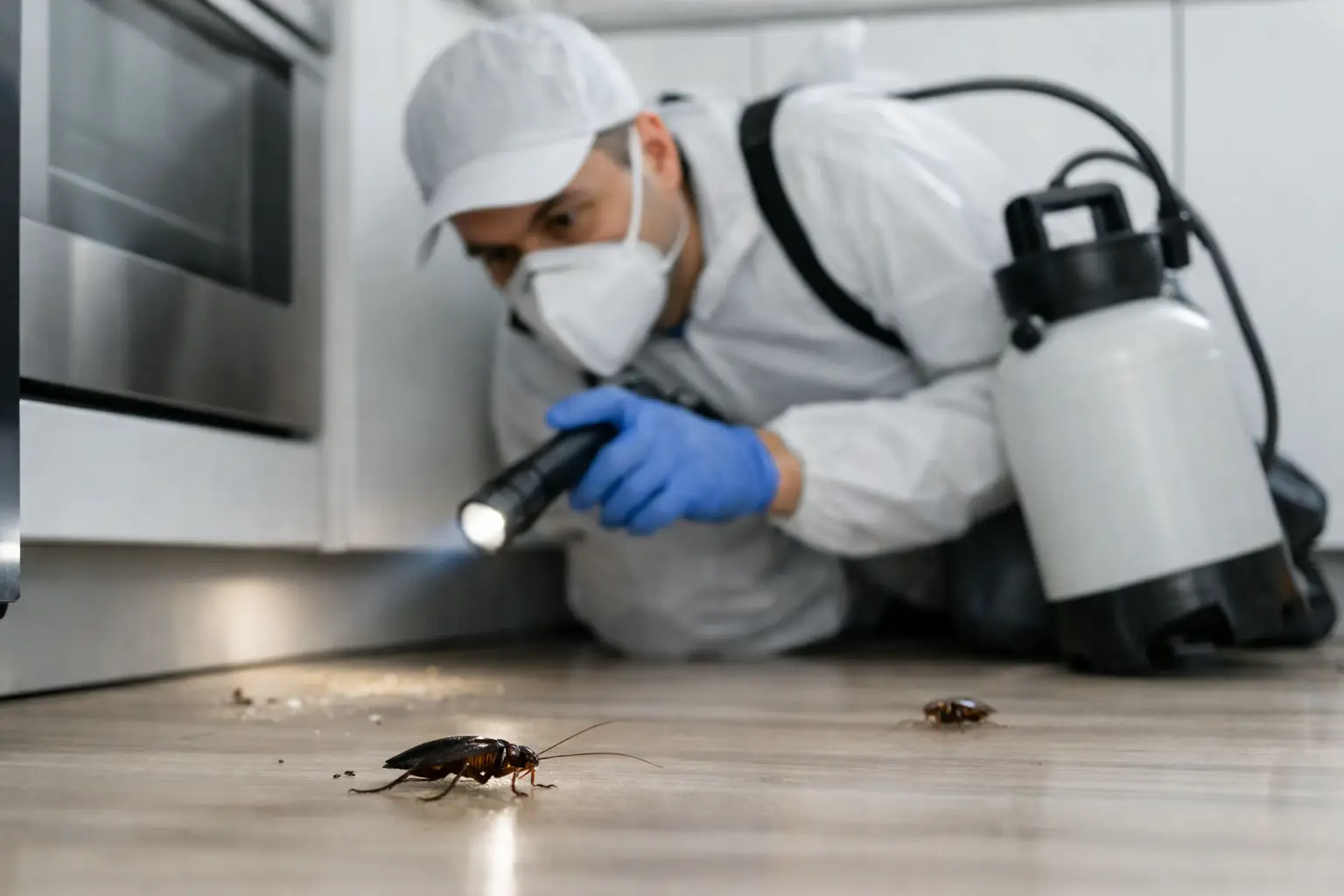
A cockroach seen after a recent spray treatment can feel like proof that nothing worked. So, why do cockroaches keep coming back? Usually, the visible insect is only one part of a larger problem: surviving roaches are still sheltered nearby, eggs are hatching, or new roaches are entering through gaps, drains, deliveries, or shared building areas.
Cockroach control is rarely solved by killing the few insects that come into view. Long-term results depend on removing the conditions that support the infestation, treating the places cockroaches actually hide, and preventing reinfestation. This matters at home, but it is especially urgent for F&B businesses, offices, retail spaces, and facilities where cockroach activity can create hygiene, compliance, and reputation concerns.
Why Do Cockroaches Keep Coming Back?
Cockroaches are built to remain unseen. They prefer tight, dark spaces close to food, moisture, and warmth, such as cabinet hinges, appliance motors, pipe voids, false ceilings, floor drains, storage areas, and cracks behind wall fixtures. Seeing one in the kitchen at night may mean there are more hiding within a few feet of the food and water sources they need.
A treatment may reduce the number of active roaches quickly, but some individuals can remain in protected harborages. Egg cases may also survive a treatment depending on the species, product used, and placement of the application. When young roaches emerge later, it can look as though the infestation has returned overnight when it was never fully eliminated.
Reinfestation is another common reason. In apartments, condominiums, commercial buildings, and connected retail units, cockroaches can travel through plumbing penetrations, utility lines, wall voids, drains, and corridors. A clean unit can still experience activity if a nearby source remains untreated.
Food is not always obvious
Cockroaches do not need an open garbage bag or a dirty kitchen to survive. Crumbs under a toaster, grease around a stove, pet food left overnight, residue in recycling bins, and unwashed dishes can provide enough food. Some species can also feed on cardboard glue, paper, soap residue, and organic matter caught in drains.
This is why housekeeping is essential but not always sufficient. Cleaning lowers the available food supply and makes treatment more effective, yet it will not remove roaches already breeding behind equipment or inside structural gaps.
Moisture keeps an infestation alive
Water is often the deciding factor. A slow leak beneath a sink, condensation around refrigeration equipment, damp mop heads, clogged drains, and humid utility rooms can sustain cockroach activity even when food sources are limited.
In commercial settings, moisture issues may be hidden behind dishwashing stations, beverage machines, cold rooms, or plumbing access panels. At home, common trouble spots include under-sink cabinets, bathroom drains, laundry areas, and the space behind refrigerators. Fixing leaks and drying these areas can significantly reduce the conditions that allow roaches to thrive.
They can arrive with everyday items
Cockroaches are capable hitchhikers. They may be brought in through grocery cartons, secondhand furniture, delivered appliances, storage boxes, or supplies received at a business. German cockroaches, a common indoor pest, are particularly associated with kitchens, food storage areas, and items moved from one infested location to another.
For this reason, recurring activity is not always a sign that treatment failed. A property may have been cleared, then reintroduced to roaches through incoming goods or neighboring activity. Inspection is needed to distinguish between a surviving infestation and a new introduction.
Why Quick Sprays Often Do Not Stop Roaches for Good
Aerosol sprays can kill cockroaches that are directly hit, which offers immediate reassurance. However, they often do not reach the hidden population. Roaches may be deep inside cracks, behind appliances, within equipment, or in wall and pipe voids where surface spraying has little effect.
Some store-bought products can also push roaches away from the area that was treated. This does not necessarily solve the infestation. Instead, the insects may relocate to another cabinet, room, or neighboring unit, making the source harder to find.
Overuse of repellent sprays can interfere with certain bait-based treatment strategies as well. Effective baits depend on roaches feeding on them and transferring the active ingredient within the population. When products are selected or placed without a clear treatment plan, results can be inconsistent.
The right approach depends on the species, level of activity, building layout, sanitation conditions, and likely entry points. A small issue confined to one cabinet requires a different response than persistent activity across a restaurant kitchen or a multi-unit residential property.
Signs the Problem Is More Than an Occasional Roach
One cockroach does not always confirm an established infestation, especially if it came in from outdoors or arrived with an item. But repeated sightings, especially during the day, should be taken seriously. Cockroaches are mostly active at night, so daytime activity can indicate crowding or a substantial population nearby.
Other warning signs include pepper-like droppings, shed skins, egg cases, a musty odor, and small roaches appearing around kitchens or bathrooms. In businesses, sightings near food preparation areas, inventory, dishwashing stations, or customer spaces require prompt attention. Delaying treatment gives the population more time to breed and spread.
What Long-Term Cockroach Control Looks Like
Lasting control begins with a detailed inspection. The goal is not merely to locate visible roaches, but to identify the species, harborages, food and water sources, access routes, and conditions contributing to the problem. This makes it possible to apply treatment where it will have the greatest effect rather than relying on broad, unnecessary spraying.
Targeted treatment may involve professional-grade baiting, crack-and-crevice application, monitoring devices, residual treatments in appropriate areas, and insect growth control measures. The methods used should be selected for the environment and performed with attention to occupant safety, food handling requirements, and operational disruption.
Follow-up matters because cockroach control is a process. Monitoring after the initial treatment shows whether activity is declining, whether eggs have hatched, and whether an overlooked source or entry point needs attention. For severe or recurring infestations, ongoing service can be the most reliable way to maintain control.
Prevention should happen alongside treatment. Keep food in sealed containers, remove trash regularly, clean grease and crumbs from appliances, and avoid leaving pet food out overnight. Repair leaks, dry wet areas, clear drain debris, and reduce cardboard clutter near kitchens and storage rooms. Sealing gaps around pipes, baseboards, doors, and utility openings also makes it harder for roaches to move through the property.
When to Call a Professional
Professional support is worthwhile when roaches keep appearing after DIY efforts, when small nymphs or egg cases are present, or when activity is occurring in food areas, shared buildings, or sensitive environments. It is also the right choice when a property manager or business needs documented, reliable pest management that supports hygiene standards and daily operations.
A qualified pest control team can investigate beyond the room where roaches were seen. That includes checking adjacent spaces, hidden harborages, moisture conditions, and building access points. Servcare combines inspection-led treatment with prevention guidance to help clients address the source of cockroach activity and protect their property with greater confidence.
The most useful next step is not another random spray. Track where and when roaches are appearing, correct the moisture or sanitation issues you can identify, and arrange a professional assessment if sightings continue. Acting early gives you the best chance of stopping a small hidden problem before it becomes a persistent infestation.