


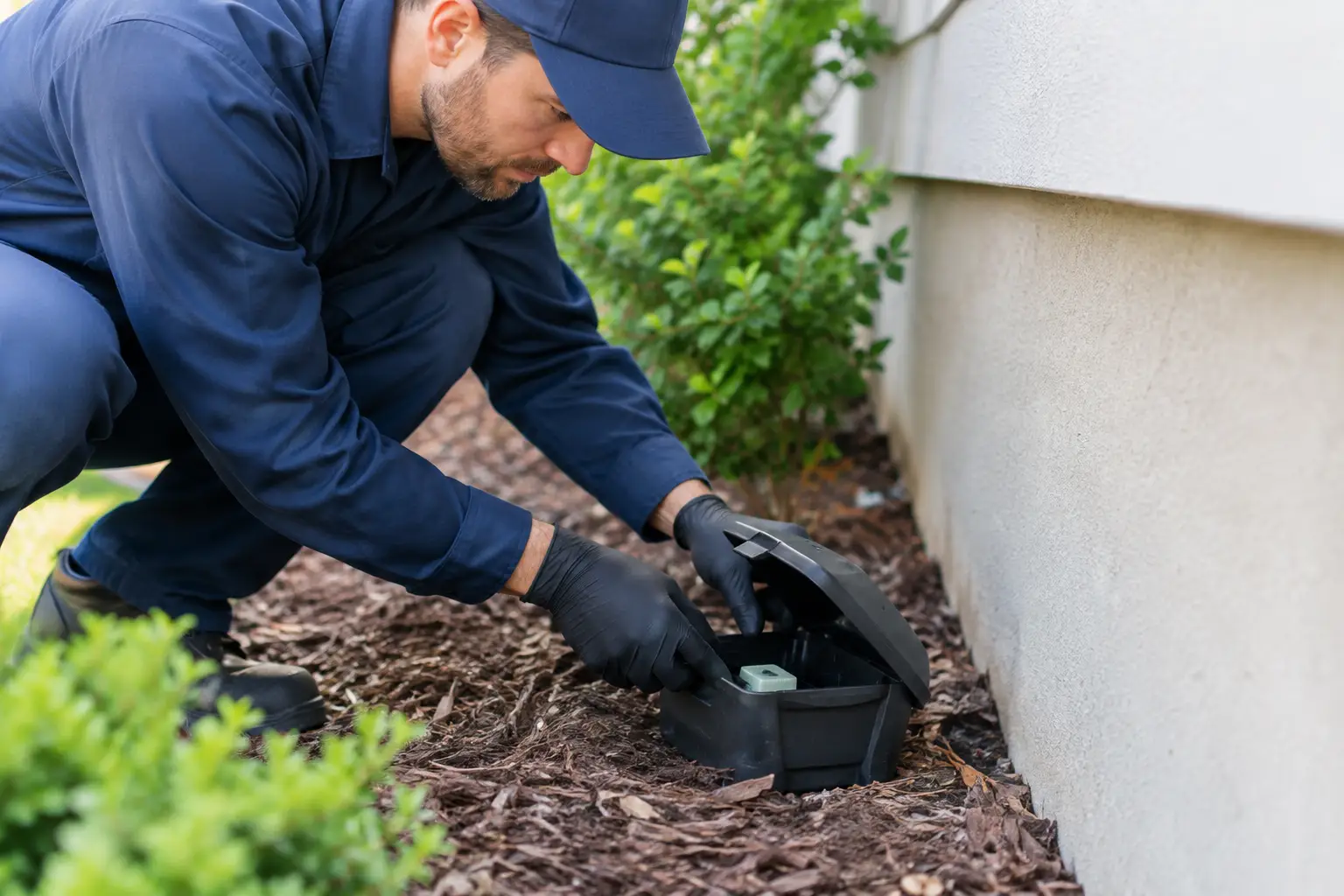
A bait station with no immediate visible change can be frustrating when you are worried about termites inside a wall, floor, or timber fixture. However, termite baiting results are not measured by how quickly termites disappear from sight. They are measured by whether the colony feeding on your property is being affected, activity is declining, and the risk of further structural damage is brought under control.
Baiting is designed to work with termite behavior, not against it. Rather than trying to create an instant kill on contact, a professional baiting program uses the termites’ natural foraging and feeding habits to carry an active ingredient back through the colony. This makes baiting a valuable long-term control approach, particularly for subterranean termites that travel underground and may remain hidden until damage becomes serious.
What Termite Baiting Results Should Look Like
The first positive result is often not something a property owner can see. During inspections, a technician may find that termites have begun feeding at a bait station or that activity in a previously active area has changed. This shows the bait is being accepted and the treatment has a route into the colony.
As the bait is shared, termite numbers and feeding activity should begin to reduce. Mud tubes may become inactive, damaged areas may show no fresh termite presence, and monitoring stations may show less activity over time. These are encouraging signs, but they should be confirmed through professional inspection rather than assumed from appearances alone.
The strongest termite baiting result is colony suppression or elimination, combined with a continuing protection plan. A property can have more than one termite colony nearby, and new colonies may forage into the area later. That is why baiting should be viewed as a managed protection system, not a single visit with a guaranteed permanent finish line.
How Long Does Termite Baiting Take?
There is no responsible one-size-fits-all answer. Baiting generally takes weeks or months rather than days because termites must first find the station, accept the bait, and distribute it within the colony. The pace depends on the species, colony size, weather, food sources, station placement, and how actively termites are foraging at the time.
If termites are already feeding in an installed station, progress may be seen sooner. If the colony is feeding elsewhere, the monitoring phase can take longer. This is not necessarily a treatment failure. It may simply mean the termites have not yet encountered the station or have a more attractive food source nearby.
In Singapore’s warm and humid conditions, subterranean termites can remain active for much of the year. That makes consistent monitoring especially valuable. A technician can assess station activity, replenish bait when needed, inspect vulnerable areas, and adjust the plan based on real termite behavior rather than guesswork.
Why the Bait Does Not Kill Immediately
Effective bait must act slowly enough for foraging termites to feed normally and share it with others in the colony. If the product killed termites too quickly, they could die near the station before transferring the bait further. Other termites may then avoid the area, leaving the colony largely unaffected.
The delayed action is therefore intentional. It gives the treatment a better chance of reaching worker termites, soldiers, and the reproductive individuals that sustain the colony. This approach requires patience, but it addresses the source of the infestation more effectively than treating only the termites visible at one point.
What Can Affect Baiting Performance?
Professional termite baiting is not a passive set-and-forget service. Results depend on correct installation, regular inspections, and decisions made as activity develops. A station placed away from active foraging routes may need time or repositioning. A station near competing wood, moisture, or landscaping materials may also receive less feeding than expected.
Property conditions matter as well. Water leaks, poor drainage, timber in contact with soil, damp voids, and untreated wood debris can all make a building more attractive to termites. Baiting can control the colony, but it cannot remove every condition that supports termite activity unless those contributing issues are addressed.
For commercial properties, access and operational planning also affect outcomes. Bait stations and inspection points need to remain accessible for scheduled servicing. Facility managers should inform the pest control team about renovations, landscaping work, leaks, or changes around loading areas and utility spaces. Small changes on site can alter termite movement.
Baiting Versus Direct Termite Treatment
Baiting is often chosen for its colony-focused and lower-disruption approach. It can be a suitable option where drilling or extensive chemical application is undesirable, or where termite activity is difficult to trace to a single entry point. It is also useful as part of an ongoing monitoring strategy around homes, offices, retail spaces, and other managed properties.
However, baiting is not always the only treatment needed. When active termites are causing immediate damage in a specific area, direct treatment may be recommended alongside baiting to quickly manage local activity. A professional inspection determines whether baiting alone is appropriate or whether a combined plan offers better protection.
The right choice depends on the construction type, extent of activity, accessibility, and the property’s risk factors. A reliable provider should explain the expected timeline and trade-offs clearly, rather than promise instant results that termite biology cannot support.
Monitoring Is What Protects Long-Term Results
Once activity has reduced, monitoring remains essential. Termites are cryptic pests. The absence of visible mud tubes does not prove that no termites are present, especially in concealed structural areas. Follow-up inspections help verify that the treated activity has stopped and identify new risk areas before damage escalates.
A professional program should include documented checks of stations and vulnerable points, clear reporting on termite findings, and recommendations tailored to the property. This gives homeowners confidence that their investment is being watched over. For businesses, it supports a more controlled approach to property maintenance, hygiene expectations, and operational continuity.
Servcare approaches termite management with inspection-led treatment and ongoing prevention in mind. The goal is not simply to place bait stations. It is to understand the termite pressure around the property, respond to active findings, and maintain a practical plan that reduces the chance of repeated damage.
When to Request a Termite Inspection
Do not wait for major damage before seeking help. Hollow-sounding wood, blistered paint, sagging timber, mud tubes along walls or foundations, and discarded winged insects can all indicate termite activity. In some cases, there are no obvious signs at all, which is why routine inspections are sensible for properties with previous termite history, moisture issues, or timber landscaping features.
If you have already started a baiting program, ask your technician what activity has been recorded, whether bait consumption has occurred, and what the next inspection will confirm. Clear answers help set realistic expectations and make it easier to see progress over time.
Termite baiting rewards a steady, professional approach. Give the system time to work, keep monitoring appointments, and correct conditions that make termites more likely to return. That combination offers the best path toward protecting the property you have worked hard to maintain.