


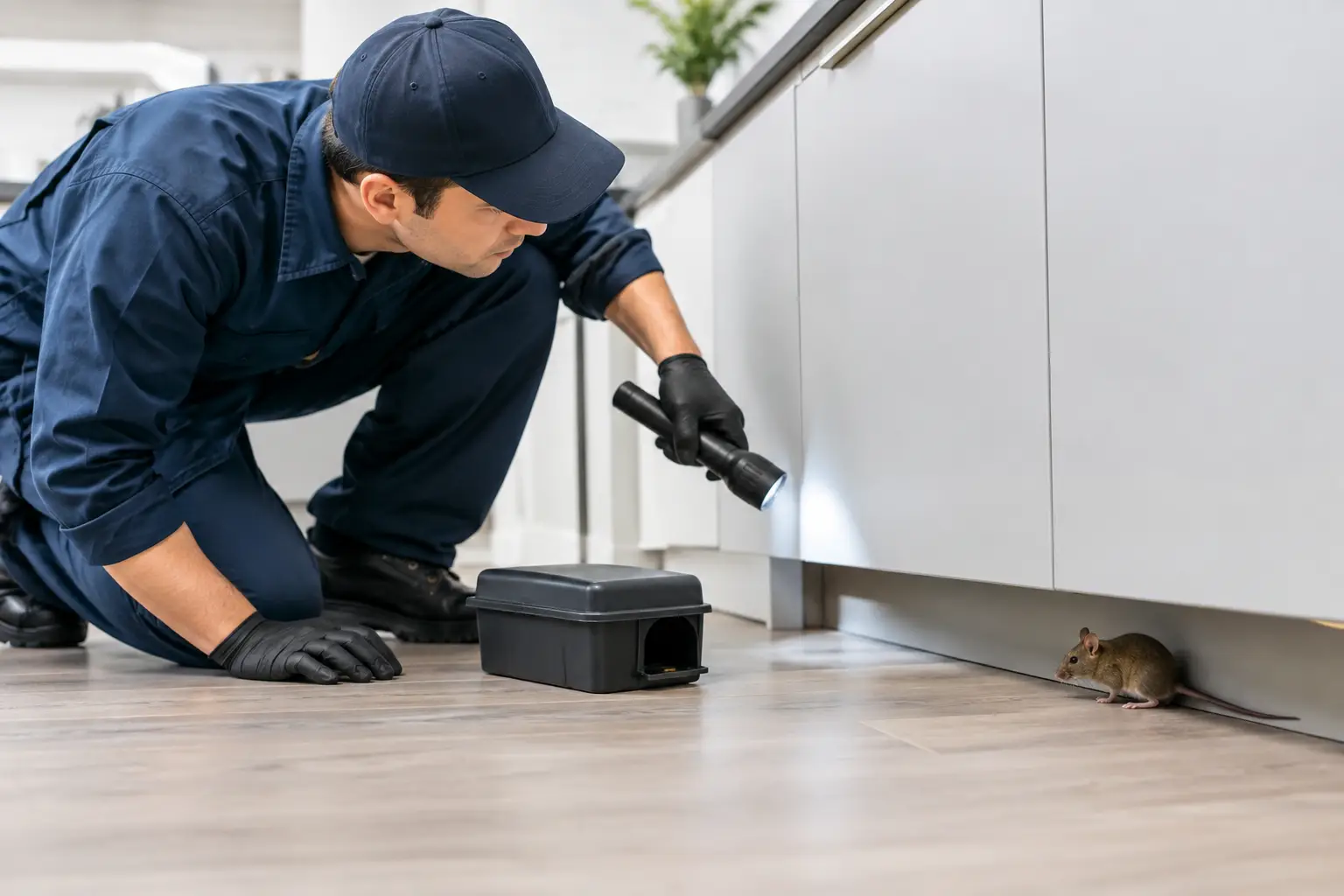
A rat sighting near a trash area, a scratching sound above a ceiling, or gnaw marks on stored goods should not be treated as a minor inconvenience. Rodent control is about more than removing the animal you can see. It is about finding how rodents entered, identifying what is sustaining their activity, and preventing the next infestation from taking hold.
For homeowners, rodents can contaminate food, damage wiring, and create real concern for children and pets. For businesses, the consequences can extend to hygiene standards, stock loss, customer confidence, and operational disruption. A reliable response needs to address the immediate problem while protecting the property over time.
Why Rodent Activity Escalates Quickly
Rodents are highly adaptable. In dense urban environments such as Singapore, rats and mice can move between drains, construction areas, waste collection points, ceiling voids, storerooms, and neighboring properties with surprising ease. A small gap around a pipe, cable trunking, door, or vent can be enough to provide access.
Once inside, rodents tend to stay close to dependable food, water, and shelter. A leaking pipe beneath a sink, uncovered pet food, poorly managed waste, or cluttered storage can turn an occasional visitor into an established infestation. Their nesting and feeding activity is often concentrated in concealed locations, which is why the scale of a problem may not be obvious at first.
Rodents also reproduce quickly when conditions are favorable. Waiting for more sightings can allow the issue to spread into additional rooms, units, or work areas. Early action is usually less disruptive and gives a treatment plan a better chance of controlling the source before activity becomes widespread.
Signs That Professional Rodent Control Is Needed
Seeing a rat or mouse is a clear warning sign, but it is not the only one. Rodents are often more active at night, so evidence of their movement may appear before a direct sighting.
Droppings are among the most common indicators. Fresh droppings may appear dark and moist, while older droppings become dry and dull. Their location matters as much as their presence. Droppings near food storage, behind appliances, in cabinets, along walls, or around electrical equipment can help indicate travel routes and feeding areas.
Gnaw marks on packaging, doors, cables, or wood should also be taken seriously. Rodents gnaw continuously, and damaged electrical wiring can create a safety risk in addition to costly repairs. Grease marks along walls and pipe runs, shredded paper or insulation, unusual pet behavior, and scratching sounds in ceilings are further signs that warrant inspection.
In commercial settings, a single sign can justify prompt attention. F&B outlets, warehouses, retail spaces, offices, and industrial facilities may have different risk points, but all need to protect food, inventory, equipment, and shared workspaces from contamination.
Why Traps Alone Often Do Not Solve the Problem
A trap can remove an individual rodent. It does not necessarily reveal where the rodent came from, whether others are present, or why the location remains attractive. This is the main reason infestations can appear to disappear and then return weeks later.
Effective control starts with inspection. A trained technician looks for evidence of activity, likely entry points, nesting zones, food and water sources, and conditions around the property that encourage rodents to remain. Treatment should then be based on the actual level of activity and the layout of the site, not a generic one-size-fits-all approach.
There are trade-offs in every method. Trapping may be appropriate in sensitive indoor areas where careful placement and frequent monitoring are required. Baiting can be effective when professionally selected, secured, and managed, particularly in locations with established rodent movement. Exclusion work, sanitation improvements, and monitoring may take more coordination, but they are essential for reducing repeat activity.
The safest approach is not simply the method that acts fastest. It is the one that is suitable for the property, protects people and non-target animals, and forms part of a documented prevention plan.
What a Professional Rodent Control Plan Should Include
A dependable rodent control service should be systematic from the first inspection through follow-up monitoring. The goal is to reduce active infestation while making the property less accessible and less appealing to rodents.
A Detailed Site Inspection
Inspection identifies the evidence behind the problem. This can include checking false ceilings, service risers, kitchen and pantry areas, loading zones, waste areas, drains, storerooms, exterior perimeters, and possible entry points around utilities. In multi-unit buildings, the findings may show that activity is connected to shared spaces or neighboring areas, not only the room where rodents were first noticed.
Targeted Treatment and Monitoring
Treatment should be positioned according to rodent behavior and site conditions. Professional-grade tools and products must be used responsibly, especially where children, pets, customers, food, or sensitive operations are present. Monitoring after treatment is equally important because it confirms whether activity is reducing and highlights areas that need further attention.
For businesses, records of inspections, observations, and treatment actions can support internal hygiene procedures. This is particularly valuable for facilities where pest management affects audits, tenant expectations, or brand reputation.
Exclusion and Prevention Measures
Rodents cannot be controlled for long if they can re-enter freely. Sealing gaps around pipes, repairing damaged door sweeps, screening vents, closing wall penetrations, and maintaining covers on drains can greatly reduce access. The right exclusion measure depends on the building design. A warehouse loading bay, a restaurant kitchen, and a residential apartment each have different vulnerabilities.
Good housekeeping supports every treatment plan. Waste should be contained and removed regularly, food should be stored in sealed containers, spills should be cleaned promptly, and clutter should be reduced where possible. These steps do not replace professional treatment during an active infestation, but they make treatment more effective and help prevent recurrence.
Rodent Prevention at Home and at Work
Long-term prevention is usually built from small, consistent actions rather than one major change. Property owners and facility teams should pay particular attention to areas where food, moisture, and concealed access come together.
Keep dry goods and pet food in sturdy sealed containers instead of thin bags or open boxes. Check beneath sinks and behind appliances for leaks, since rodents need reliable water as well as food. Do not allow cardboard, unused equipment, or loose materials to accumulate against walls or in storage corners where nesting can go unnoticed.
Outside the building, keep waste areas clean and bins closed. Trim dense vegetation away from walls where practical, and inspect drains, grates, utility openings, and service doors regularly. If a gap is large enough for a rodent to pass through, it deserves attention even if no activity is currently visible.
For commercial properties, prevention works best when cleaning teams, operations staff, tenants, and pest management professionals share clear responsibilities. A technician may identify a recurring risk, but lasting results depend on timely repairs, proper waste handling, and staff awareness on site.
Choosing a Rodent Control Provider
The right provider should offer more than a quick treatment visit. Look for a company that explains its findings clearly, recommends actions suited to your site, and provides follow-up based on activity rather than assumptions. Licensing, technician training, safe product handling, and practical reporting all matter.
Servcare brings more than two decades of pest management experience to rodent issues in homes and commercial environments. Its approach combines professional inspection, science-backed treatment methods, and prevention guidance to help clients protect their premises with confidence.
Ask what the provider has found, where the likely entry points are, what treatment method is proposed, and what you can do before the next visit. Clear answers are a good sign that the work is focused on lasting control, not just a temporary reduction in sightings.
A rodent-free property is maintained through prompt reporting, careful inspection, and steady preventive habits. When the first signs appear, addressing them with a structured plan can protect the health, comfort, and reputation of everyone who uses the space.