

A fresh coat of paint, polished floors, and a promising location can make a property feel like the right choice within minutes. But termites work where buyers rarely look: behind walls, beneath flooring, inside door frames, and around concealed timber. A termite inspection before property purchase gives you a clearer view of the risks before a major financial decision becomes final.
For buyers in Singapore, this step deserves particular attention. Subterranean termites can enter a building from the ground and continue feeding out of sight for long periods. A property may look well maintained while hidden termite activity or old damage remains undiscovered. A professional inspection helps separate a manageable pest issue from a potentially costly property concern.
Why termite risk should be checked before you commit
Termites do not usually announce their presence. Unlike some household pests, they can cause damage quietly, leaving visible signs only after timber has been weakened. By then, repairs may involve more than replacing a skirting board or a section of cabinetry. Depending on the affected materials and extent of activity, repairs can disrupt renovation plans, handover schedules, and your budget.
A seller’s general maintenance record is useful, but it is not a substitute for a focused termite assessment. Standard property viewings are designed to help you assess layout, condition, and suitability. They are not designed to identify concealed termite pathways, moisture conditions, damaged internal timber, or previous treatment gaps.
An inspection gives buyers practical information at the point when it has the most value. You can ask informed questions, request supporting records, factor necessary work into your budget, or reconsider a purchase if the risk is beyond your comfort level. It is a relatively small step compared with the cost and stress of discovering an infestation after completion.
What a termite inspection before property purchase involves
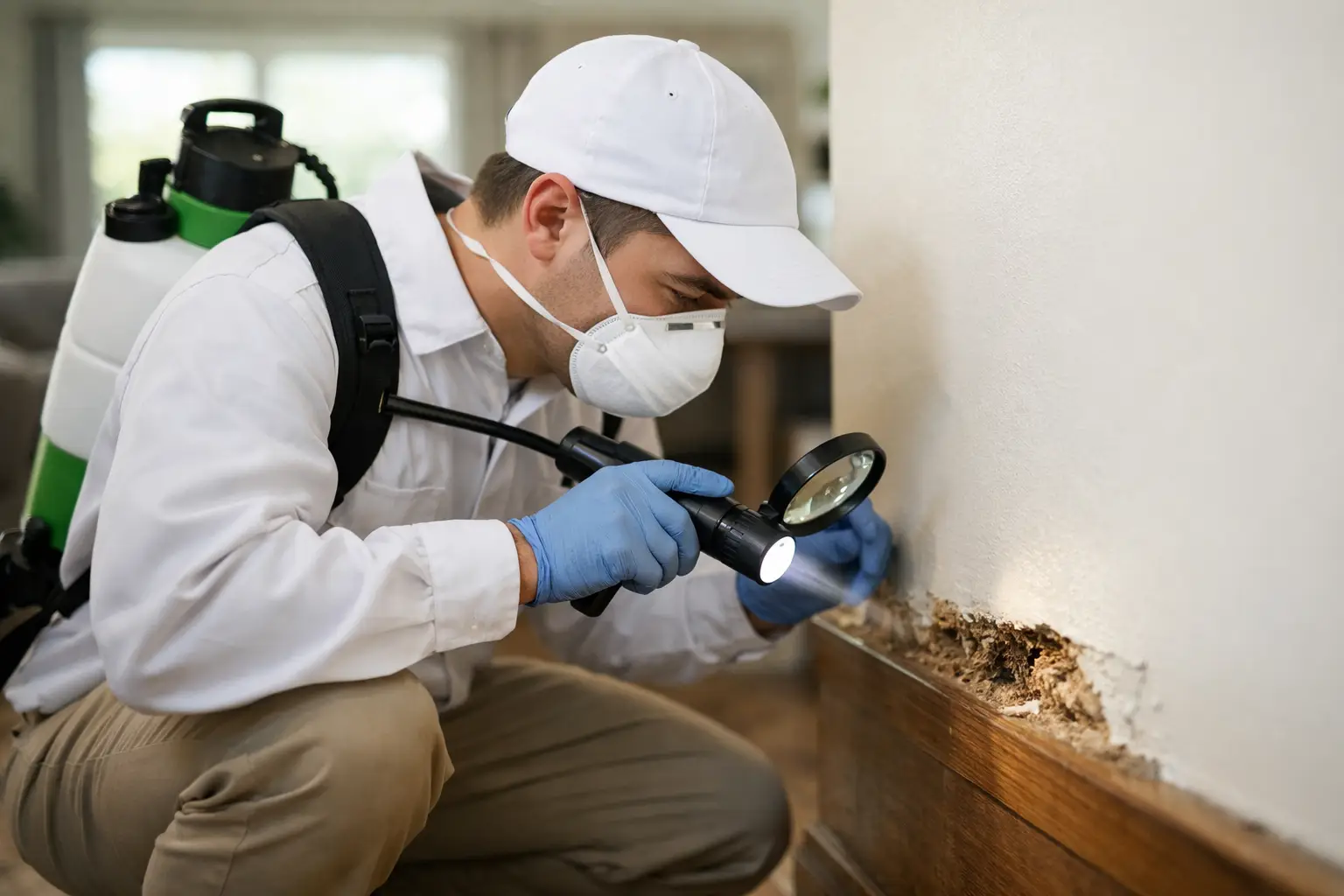
A professional termite inspection is not simply a quick look around for insects. The inspector assesses accessible areas that may show current activity, previous damage, or conditions that increase the chance of infestation. This commonly includes internal timber features, door and window frames, built-in cabinets, false ceilings where accessible, service areas, and the external perimeter of the property.
The inspection also looks for signs that termites may have traveled into the building. Subterranean termites often build mud tubes to maintain moisture while moving between their nest and a food source. These tubes may be found along walls, foundations, pipes, utility points, or concealed structural areas. Other warning signs include hollow-sounding timber, blistered paint, sagging wood, fine debris near damaged areas, or sections of timber that break easily under gentle pressure.
The goal is not to create unnecessary alarm over every mark or crack. Water damage, age, and ordinary wear can resemble pest damage. A trained pest professional considers the evidence carefully and distinguishes likely termite signs from other property defects. This gives buyers a more reliable basis for deciding what to do next.
Accessible does not mean every hidden area
No inspection can see through every wall, floor, or fixed fixture without invasive work. A credible report should be clear about this limitation. It should identify the areas inspected, note locations that could not be accessed, and explain whether those restrictions affect the level of confidence in the findings.
This is especially relevant in properties with extensive built-ins, enclosed storage, raised platforms, or renovation works that conceal structural elements. If signs of termite activity are found near an inaccessible area, further investigation may be recommended. That is not a reason to panic. It is a reason to understand the scope of the risk before proceeding.
Active termites, old damage, and treatment history are different issues
Finding termite damage does not automatically mean termites are currently active. Conversely, the absence of obvious damage does not guarantee that a property has never had an issue. Buyers need to understand three separate questions: Is there active activity now? Is there evidence of past damage? Has the property been treated properly and protected against reinfestation?
Active activity generally calls for prompt professional treatment and may require a closer assessment of the affected timber. Past damage requires a judgment on whether the materials remain sound, whether repairs are needed, and whether treatment records show that the original cause was addressed. A previous treatment can be reassuring when it was carried out professionally and supported by clear documentation, but it should not be treated as a permanent guarantee.
Termite control is most effective when it addresses the colony and the conditions that allow termites to return. One-off surface spraying is not a meaningful answer to a subterranean termite problem. Depending on the property, an appropriate approach may involve baiting, targeted treatment, soil or perimeter protection where relevant, and scheduled monitoring.
What to ask after the inspection
The inspection report should be useful to a buyer, not filled with vague warnings. Ask the inspector to explain findings in plain language and prioritize what needs attention. If termite signs are identified, clarify whether they indicate active infestation, previous damage, or conditions that could invite future activity.
It is also sensible to ask about the likely treatment approach, the need for repairs or further building assessment, and whether ongoing monitoring is recommended. If the seller says the property was previously treated, request the available service report, treatment date, warranty terms if any, and records of follow-up inspections.
For buyers considering a condominium unit, ask whether management has a pest-control program for common areas and whether there have been known termite issues in the development. The answer does not replace an inspection of the individual unit, but it provides useful context. For landed properties, inspection of the surrounding grounds and building perimeter becomes even more significant because subterranean termites commonly enter from soil.
When a termite finding should affect negotiations
The right response depends on the findings. A small, localized area of old damage with evidence of completed treatment may be manageable, particularly if repairs are straightforward. On the other hand, active termites, extensive concealed damage, repeated signs of activity, or limited access to critical areas may justify a more cautious approach.
Buyers may use a professional report to request treatment before completion, negotiate the purchase price, allow for repair costs, or seek more time for specialist evaluation. The point is not to turn every termite finding into a deal breaker. It is to avoid accepting a risk without knowing its likely cost and implications.
Be wary of informal assurances such as “we have never seen termites” or “the wood was replaced recently.” Owners may be entirely sincere, yet termite activity can remain unseen. Professional evidence is more dependable than assumptions, especially when the property will be your home, business location, or investment asset.
Prevention begins after the purchase too
A clean inspection is encouraging, but it should lead to sensible prevention rather than complacency. Termites are attracted to accessible cellulose materials and favorable moisture conditions. Leaking pipes, poor drainage, damp storage areas, timber debris, and cracks around service entries can all make a property more attractive or easier to enter.
After purchase, address moisture issues promptly and avoid storing cardboard, timber offcuts, or old papers directly against walls or in damp spaces. Keep an eye on door frames, built-in carpentry, and areas around plumbing. Regular professional inspections are particularly worthwhile for properties with a history of termites, nearby construction activity, ground-level timber features, or conditions that are difficult to monitor.
Servcare approaches subterranean termite control with a focus on accurate inspection, targeted treatment, and longer-term prevention. With professional guidance, buyers can understand the condition of a property without guesswork and plan the next step with greater confidence.
Before signing away the option to act, give the property the same careful attention you would give its legal documents and financing. The right inspection can protect not only the building, but also the peace of mind you expect when you receive the keys.