

A cockroach seen near the kitchen sink, mosquitoes gathering around a drain, or fresh termite trails along a wall can quickly change how safe a property feels. Effective pest management is not simply about removing the pest in sight. It is about finding why activity started, treating the source responsibly, and reducing the conditions that allow it to return.
For homes, this means protecting family health, comfort, and valuable property. For businesses, the stakes can also include hygiene compliance, food safety, customer confidence, and operational continuity. A professional approach brings structure to an issue that can otherwise become stressful, costly, and repetitive.
What Professional Pest Management Involves
Pest activity is usually a symptom of an underlying opportunity. Pests may be drawn to food residues, standing water, cluttered storage, unsealed entry points, moisture damage, or poorly maintained waste areas. A surface treatment may reduce visible activity temporarily, but it may not address nests, breeding sites, access routes, or the environmental conditions supporting an infestation.
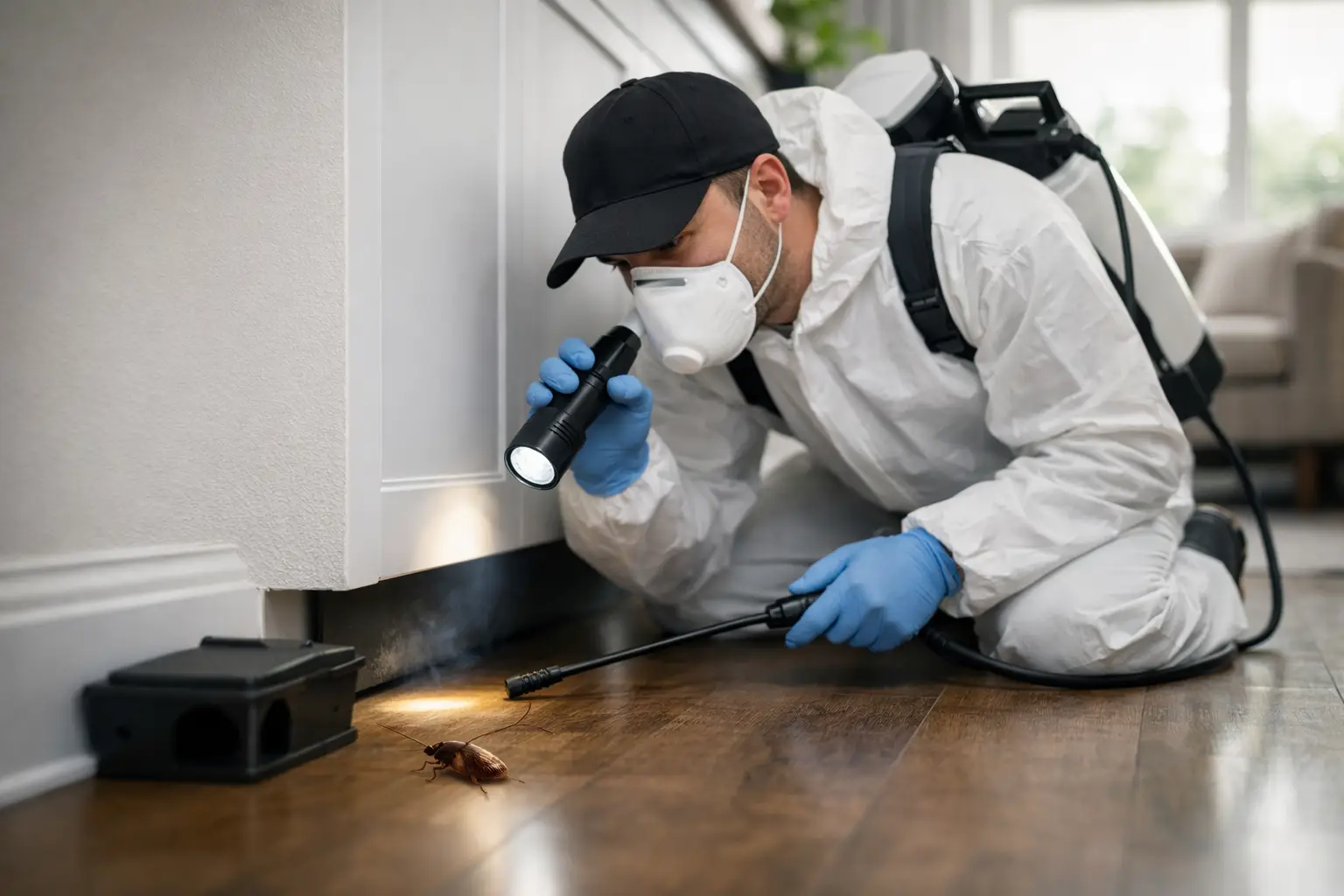
Professional pest management begins with a careful inspection. The goal is to identify the pest species, assess the level of activity, locate likely harborages, and understand how the pest is moving through the property. Treatment can then be tailored to the situation rather than based on a generic spray program.
This process normally combines targeted treatment with practical prevention. Depending on the pest and site, that can include monitoring, baiting, residual applications, source reduction, proofing recommendations, and follow-up visits. The right approach depends on the property type, the severity of the issue, the presence of children or pets, and the operational requirements of the site.
Why One-Time Treatments Often Fall Short
A one-time treatment can be appropriate for a minor, isolated issue. However, recurring pest activity often needs more than a single visit. Eggs may hatch after treatment, pests may continue entering from nearby areas, or a hidden food and moisture source may remain available.
Cockroaches are a clear example. Seeing one or two may indicate a larger population in voids, cabinets, drains, electrical areas, or shared building spaces. Mosquitoes can breed in small amounts of standing water that are easy to overlook. Rodents may travel along ceiling voids, utility lines, and external perimeters before entering through a small gap. Subterranean termites can remain out of sight while feeding on timber from below ground.
Long-term control requires a plan that accounts for pest behavior. It also requires realistic expectations. Some infestations improve rapidly, while others need scheduled monitoring and follow-up to interrupt the breeding cycle and confirm that treatment is working.
Four Pest Risks That Need Prompt Attention
Cockroaches and Hygiene Concerns
Cockroaches can contaminate food-contact surfaces, storage areas, and equipment as they move through drains, waste zones, and hidden crevices. In homes, they are particularly concerning in kitchens and bathrooms. In commercial kitchens, restaurants, retail spaces, and offices, visible cockroach activity can damage confidence as quickly as it affects hygiene standards.
Effective control combines targeted treatment with sanitation and exclusion measures. Food should be stored properly, grease and spills should be addressed, waste should be managed consistently, and gaps around plumbing or cabinets should be assessed. Treatment is more effective when these practical steps support it.
Mosquitoes and Breeding Prevention
Mosquito activity is not only irritating. In Singapore, reducing breeding opportunities is an important part of protecting households, employees, and visitors. Breeding may occur in outdoor containers, floor traps, drains, roof gutters, plant trays, or areas where water collects after rain.
Control is most effective when it focuses on the breeding source. Professional inspections can identify potential problem areas that are not obvious during routine cleaning. Treatment may be necessary, but regular checks and water management remain essential for keeping mosquito pressure low.
Rodents and Contamination Risks
Rodents can contaminate food, damage packaging, gnaw on cables, and create sanitation concerns through droppings and urine. Their presence can be especially serious in F&B, warehousing, industrial, and retail environments, where a small issue can spread through storage areas or affect daily operations.
Successful rodent control is not based on trapping alone. It requires an inspection of travel routes, entry points, nesting areas, food sources, and external conditions. Proofing gaps, improving waste management, and placing monitoring devices strategically help prevent repeated entry after initial activity has been controlled.
Subterranean Termites and Property Damage
Subterranean termites can cause significant damage before their presence becomes visible. They travel through soil and concealed routes, feeding on timber structures, built-in carpentry, door frames, and other cellulose-based materials. Mud tubes, hollow-sounding wood, bubbling paint, or damaged skirting may signal activity, but the absence of visible signs does not guarantee that a property is clear.
A professional termite inspection is the sensible response when there is concern. Treatment options depend on construction, accessibility, the extent of activity, and the need to protect surrounding areas. Early action can limit damage and avoid more extensive repairs later.
Pest Management for Homes and Businesses
The principles of control are similar across properties, but the plan should not be identical. A homeowner may need discreet treatment around living spaces, clear preparation guidance, and reassurance about safety for children and pets. A facility manager may need scheduled service, detailed reporting, pest trend monitoring, and a program that works around staff, customers, stock, or food preparation.
F&B operators need particular attention to hygiene-sensitive areas, waste handling, delivery zones, drains, and storage rooms. Industrial facilities may require perimeter management, rodent monitoring, and control measures suited to larger sites. Offices and retail premises often need pest activity addressed with minimal disruption to tenants and visitors.
This is why inspection matters. A reliable provider should explain what was found, why a particular treatment is recommended, and what actions the property team or household can take between visits. Clear communication is part of effective service, not an extra.
Choosing a Safe, Reliable Provider
Pest control involves products, placement methods, and application practices that should be handled by trained professionals. A provider should be properly licensed, experienced with the relevant pest issue, and able to recommend treatments based on evidence rather than assumptions.
Look for a service that prioritizes targeted applications and integrated prevention over unnecessary blanket spraying. Eco-conscious practices do not mean ignoring an active infestation. They mean selecting practical, responsible methods that manage risk while protecting people, pets, property, and the surrounding environment.
Experience also matters when conditions are complicated. Shared buildings, concealed voids, sensitive commercial environments, and persistent infestations require more than a standard response. Servcare combines professional-grade treatment methods with entomologist-backed guidance and more than two decades of operational experience to help clients address the cause of pest activity, not just its visible signs.
Practical Steps Between Professional Visits
Professional treatment works best when property conditions support it. Small maintenance habits can make a meaningful difference over time:
- Keep food in sealed containers and clean crumbs, grease, and spills promptly.
- Empty waste regularly and keep bins, chutes, and surrounding areas clean.
- Repair leaking pipes, manage condensation, and avoid leaving standing water in drains or containers.
- Seal gaps around pipes, doors, utility lines, and other possible entry points.
- Reduce clutter in storage areas so pests have fewer hidden harborages.
These steps will not replace professional treatment where an infestation is established. They do, however, remove the resources pests depend on and make monitoring more accurate.
When to Arrange an Inspection
It is sensible to arrange an inspection when pest sightings become repeated, droppings or gnaw marks appear, bites increase, unexplained damage is found, or staff and family members notice activity in more than one area. Businesses should also act before activity becomes visible to customers or affects food, inventory, or compliance requirements.
Waiting can allow a manageable issue to become harder to control. Prompt inspection gives you a clearer understanding of the risk and the most appropriate next step. With a treatment plan built around the property, the pest, and prevention, you can restore a cleaner, safer environment and protect the peace of mind that matters every day.