


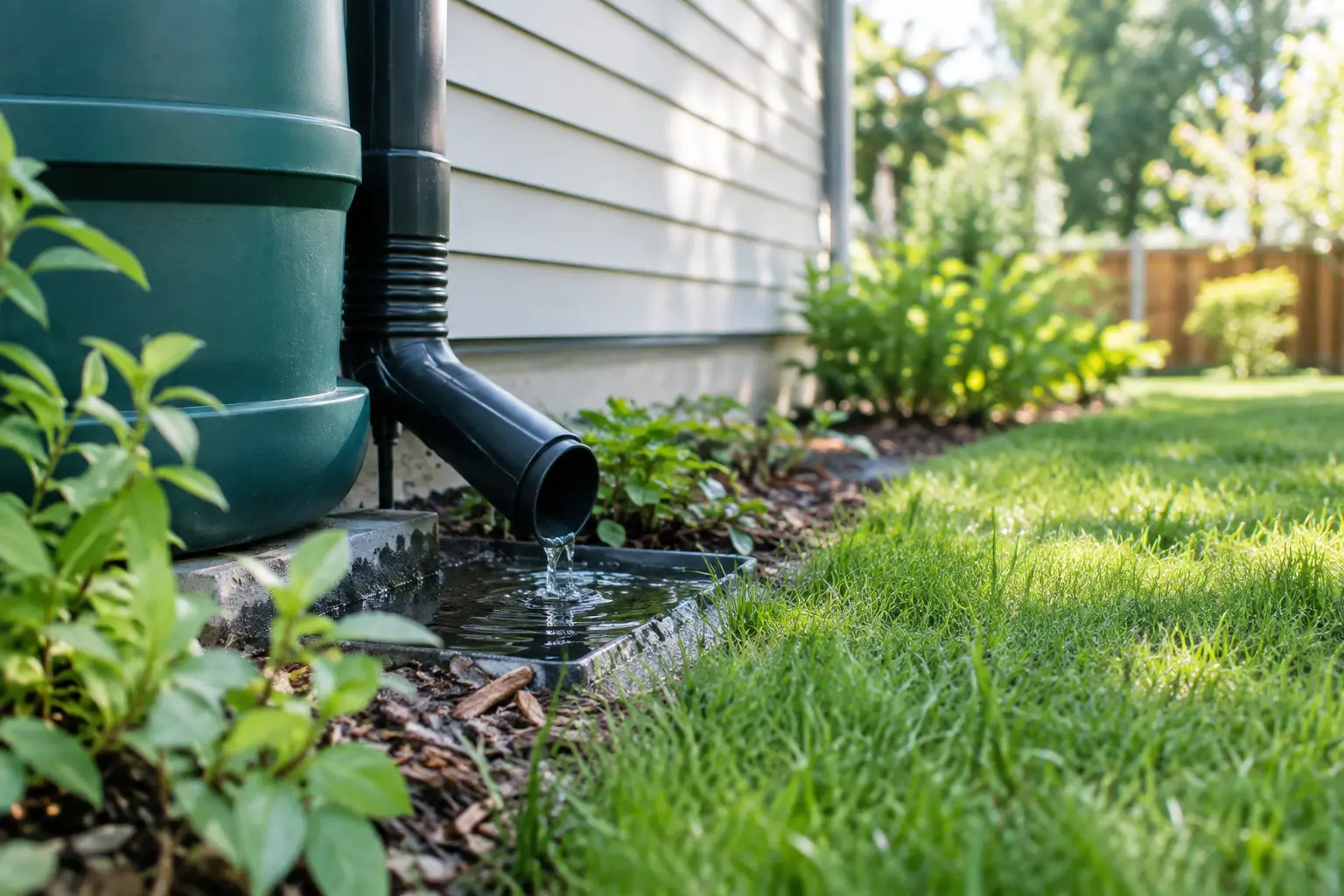
A mosquito problem often starts in a place that barely looks like a problem: a bottle cap holding rainwater, a blocked drain behind a shop, or a planter tray that has not been checked for a week. The top mosquito breeding hotspots are usually close to people, hidden in plain sight, and easy to overlook until adult mosquitoes become a daily nuisance.
For homes, workplaces, F&B premises, and industrial sites, mosquito control is not simply about reducing bites. It is about removing the conditions that allow mosquitoes to reproduce. A targeted inspection identifies where water collects, why it remains there, and how to correct the source before the issue grows.
Why small amounts of water create a large problem
Mosquitoes do not need ponds or large puddles to breed. Many common species can use shallow, still water found in everyday containers and structural features. In warm, humid conditions, the mosquito life cycle can progress quickly, so a neglected water-holding item may become a breeding source between routine cleaning visits.
Standing water is the central risk, but it is not the only one. Shade, debris, poor drainage, and undisturbed areas make a location more attractive and harder to monitor. The most effective prevention therefore combines regular housekeeping with practical maintenance and professional assessment where recurring activity is found.
Top mosquito breeding hotspots to inspect first
Drains, gutters, and drainage channels
Blocked drains are among the most significant mosquito breeding hotspots around residential and commercial properties. Leaves, food waste, sediment, and litter can slow water flow, leaving shallow pools along drain edges or beneath grates. Outdoor drains behind kitchens, loading areas, refuse points, and landscaped spaces deserve particular attention because they may be out of normal view.
Roof gutters can present the same issue. A gutter filled with leaves may retain water long after rainfall, especially where the slope is poor or downpipes are partially blocked. Cleaning should address the obstruction and confirm that water flows away properly. Removing visible debris without correcting a sagging gutter or damaged section may only provide a short-term result.
Plant pots, trays, and landscaped areas
Greenery improves a property, but it can also create multiple water-holding points. Plant saucers, decorative pots, watering cans, buckets, and unused containers should be emptied and scrubbed regularly. Simply tipping out water is helpful, but cleaning the surface matters because mosquito eggs can remain attached above the water line.
Landscaping teams should also look beyond pots. Dense vegetation can conceal discarded containers and reduce airflow around damp ground. Bromeliads, water features, irrigation trays, and areas where soil has sunk can retain water after rain. If a feature is difficult to keep dry, it may require a maintenance adjustment rather than repeated ad hoc treatment.
Outdoor containers and stored materials
Construction materials, tarpaulins, old tires, plastic sheeting, pallets, and discarded equipment often create hidden water pockets. This is especially relevant at industrial sites, renovation areas, service yards, and storage spaces. A loosely covered item can collect rainwater underneath, while a tarp can sag and form several small pools.
The practical solution is to store materials under cover where possible, keep covers taut, and remove items that no longer serve an operational purpose. Designating responsibility for weekly checks is useful for larger premises. Without a clear owner, these areas are easily missed because they sit outside day-to-day customer or staff spaces.
Air-conditioning units and utility areas
Air-conditioning ledges, condensate trays, cooling equipment, and utility spaces can harbor water when drainage is faulty. A slow drip may seem minor, but repeated moisture can pool in an inaccessible corner or flow into a blocked drain. Check that condensate lines drain correctly and that surrounding surfaces do not trap water.
Utility rooms also tend to accumulate cleaning equipment, spare containers, and stored items. These areas should be included in a site inspection, not treated as separate from mosquito prevention. The same applies to rooftop spaces, service corridors, and rear access lanes where leaks may go unnoticed for longer periods.
Water features, pools, and ornamental structures
Maintained swimming pools are not typically the main concern because circulating, treated water is less suitable for mosquito breeding. The risk rises when a pool is unused, poorly maintained, or collecting debris. Decorative fountains and ponds need the same attention. Stagnant water, broken pumps, and accumulated leaves change an attractive feature into a potential breeding source.
Whether a water feature can remain safely in place depends on its design and upkeep. Consistent circulation, cleaning, and professional recommendations can manage some installations. Where maintenance is unreliable or the feature has repeated mosquito activity, modifying or removing it may be the more dependable option.
Indoor and sheltered water sources
Mosquitoes are not limited to outdoor spaces. Floor drains, unused toilets, water storage containers, drip trays, and wet areas can create sheltered breeding opportunities, particularly in vacant units, storerooms, warehouses, and seldom-used restrooms. Because these spaces are protected from sun and rain, standing water can remain undisturbed for extended periods.
Facilities should include seldom-used rooms in their regular inspection schedule. Keep drains functional, repair plumbing leaks promptly, and avoid leaving water in cleaning buckets or equipment after use. For vacant premises, routine site checks are essential even when no employees or residents are present every day.
How to prioritize mosquito breeding hotspots
Not every wet area carries the same level of risk. Start with places where water is likely to remain for several days, where mosquitoes have already been seen, or where people spend time outdoors. Entrances, patios, staff break areas, playgrounds, dining areas, and loading bays deserve quick action because mosquito activity there directly affects comfort, health, and customer experience.
Next, assess how easily the source can be eliminated. Emptying a container is immediate. Repairing drainage, changing a landscape design, or correcting a structural slope may take more planning, but those improvements often deliver longer-lasting control. Repeated mosquito activity in the same location is a sign that the underlying condition has not been resolved.
For commercial properties, a simple inspection record can improve accountability. Note the area checked, the condition found, corrective action taken, and the person responsible for follow-up. This gives facility managers a clearer view of recurring issues and supports consistent housekeeping across shifts or vendors.
Prevention works best as a routine, not a reaction
After rainfall, inspect outdoor areas promptly. Empty water from movable items, clear debris from drains, and look beneath stored materials. During dry periods, continue checking areas affected by air-conditioning runoff, irrigation, plumbing leaks, and indoor water storage. Mosquito prevention must account for both weather-related and man-made sources of standing water.
Chemical treatment can be appropriate when a professional inspection identifies active breeding or conditions that cannot be immediately corrected. However, treatment should support source reduction, not replace it. Spraying adult mosquitoes alone may reduce visible activity temporarily, while missed breeding sites continue producing new mosquitoes.
A professional mosquito control program is particularly valuable when a property has complex drainage, extensive landscaping, large outdoor service areas, or repeated complaints despite routine cleaning. Experienced technicians can inspect less obvious risk points, recommend practical corrective measures, and apply suitable treatments with safety and long-term prevention in mind.
When recurring mosquitoes signal a larger issue
If mosquitoes keep returning after containers are emptied and visible puddles are addressed, look deeper. The source may be in a concealed drain, a neighboring common area, a roof gutter, a utility zone, or an overlooked item in storage. In multi-unit properties and commercial facilities, prevention also depends on coordination. One unmanaged area can affect the comfort of everyone nearby.
Servcare approaches mosquito control with this wider view: inspect the site, identify breeding conditions, treat where needed, and help property owners build a prevention routine that holds up over time. The goal is not a brief reduction in mosquito activity, but greater confidence that the conditions attracting them are being managed properly.
The most useful next step is often a slow walk around the property after rain. Look for water where it should not be, especially in the places people rarely see. Removing one overlooked breeding source today can prevent a much larger mosquito issue in the weeks ahead.