


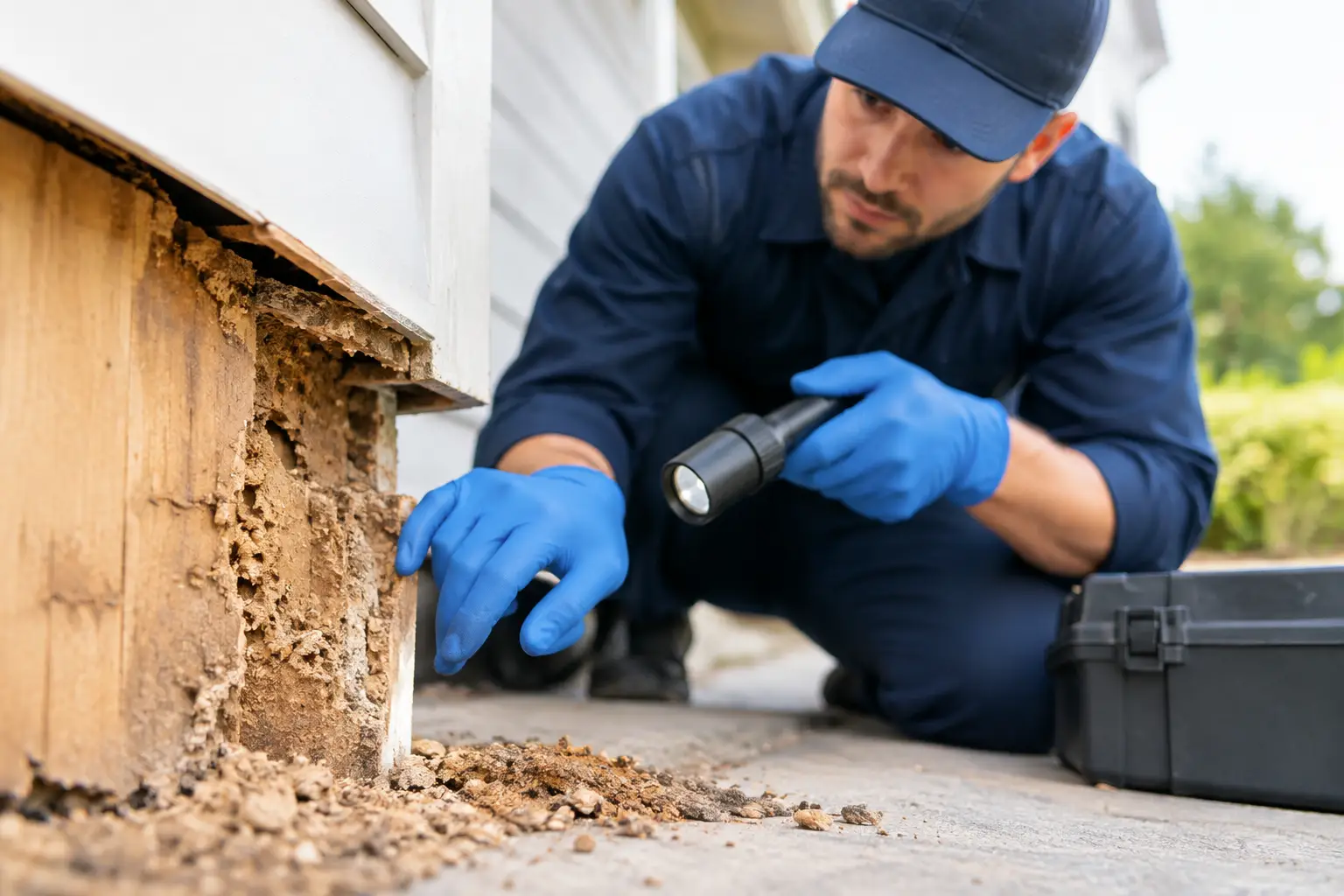
A sudden cluster of winged insects around a window, light fixture, or doorway can be alarming. If they are termites, the swarm is not usually the damage itself – it is a sign that a mature colony is nearby and looking to establish new colonies. Knowing how to prevent termite swarming starts with making your property less favorable to subterranean termites before they reach the structure.
For homeowners, a swarm can raise immediate concerns about hidden damage. For facility managers and business operators, it can also affect tenant confidence, hygiene standards, and the condition of valuable premises. Prevention is not about one quick treatment. It is about controlling moisture, reducing termite access, and acting promptly when activity appears.
Why Termites Swarm Around Buildings
Termites swarm when mature colonies release winged reproductive termites, often after warm weather and rain. These swarmers are attracted to lights and may gather around doors, windows, and exterior walls. They shed their wings after landing, then seek damp soil and a protected place to begin a new colony.
Seeing swarmers does not always mean termites are feeding inside the building. A colony may be in nearby soil, landscaping, a neighboring property, or a concealed area beneath the structure. Still, it should not be ignored. Subterranean termites can travel through soil and protected mud tubes to reach wood, paper-backed materials, and other cellulose-based building components.
The goal is not simply to keep flying termites away from lights for one evening. The more effective approach is to reduce the conditions that support termite colonies and make concealed entry harder.
How to Prevent Termite Swarming With Moisture Control
Moisture is one of the strongest factors affecting termite activity. Subterranean termites need a humid environment to survive, so plumbing leaks, poor drainage, and persistently wet areas near the foundation can create ideal conditions.
Start by checking outdoor taps, air-conditioning drain lines, gutters, downspouts, and irrigation systems. Water should drain away from the building rather than collecting beside exterior walls. Repair leaking pipes and overflowing gutters quickly, especially where water can seep into soil near the structure.
Indoors, pay attention to damp cabinets beneath sinks, bathroom wall edges, utility rooms, and areas around water heaters or floor drains. A minor leak hidden behind a cabinet can keep timber and surrounding materials damp for months. Addressing the moisture source protects the building and removes one of the conditions termites depend on.
Ventilation also matters. Enclosed, humid spaces such as crawl spaces, storage rooms, and poorly ventilated service areas should be kept as dry as practical. If condensation is recurring, identify whether it is caused by insufficient airflow, a plumbing issue, or equipment that needs maintenance.
Keep Soil, Wood, and Debris Apart
Termites often enter buildings without being seen. Direct contact between soil and wood gives them a concealed route into structural timber, door frames, decks, and stored materials. Where possible, maintain a visible gap between soil or mulch and wooden parts of the building.
Avoid stacking firewood, timber offcuts, cardboard, or wooden pallets against exterior walls. These items can hold moisture and provide a convenient food source close to the property. Store them off the ground and away from the building whenever feasible.
Landscaping deserves the same attention. Dense mulch, fallen branches, tree stumps, and heavy ground cover next to walls can retain moisture and make inspections more difficult. This does not mean every planted area needs to be removed. It means landscaping should be managed so exterior walls, foundation edges, and service entry points remain accessible for inspection.
If you are renovating, avoid leaving construction wood, cardboard packaging, or waste materials on the ground for extended periods. New construction and renovation sites can attract termites when damp debris is allowed to accumulate.
Seal Entry Points, but Do Not Rely on Sealing Alone
Small gaps around pipes, utility conduits, wall joints, and door frames can give termites protected paths into a building. Sealing obvious cracks and openings is a useful maintenance measure, particularly around plumbing lines and ground-level utility penetrations.
However, termites are persistent and can travel through hidden voids, expansion joints, and cracks that are difficult to see. Sealing alone cannot replace a termite prevention program. Think of it as one layer of protection alongside moisture management, regular inspections, and professional treatment where needed.
Window and door screens can help reduce the number of swarmers that enter indoor spaces during a flight. Keep exterior doors closed when large swarms are active, and reduce unnecessary outdoor lighting near entry points where practical. These steps limit nuisance indoors, but they do not eliminate the colony source.
Know What to Do When You See a Swarm
A termite swarm calls for a calm, practical response. Vacuum up swarmers and discarded wings, then keep a small sample or take a clear photo if possible. Termites can be mistaken for flying ants, and correct identification matters before any treatment decisions are made.
Look around the affected area for discarded wings, mud tubes along walls or pipes, bubbling paint, hollow-sounding wood, or doors and frames that have become difficult to close. Do not break open suspected mud tubes or spray large areas with household insecticide. Disturbing visible signs may make termites move elsewhere while the colony remains active.
Instead, arrange a professional inspection. A trained technician can assess whether the activity is likely from an established colony on-site, a nearby colony, or a swarm that entered from outdoors. Early assessment helps avoid unnecessary disruption while ensuring genuine risks are addressed before damage becomes more extensive.
Prevention for Commercial and Managed Properties
Termite prevention is especially important for offices, retail spaces, food and beverage premises, warehouses, and industrial facilities. These sites often have service ducts, storage zones, loading areas, landscaping, plumbing infrastructure, and concealed building voids that need consistent oversight.
Facility teams should include termite checks in routine maintenance. Report water leaks quickly, keep storage materials raised from the floor where possible, and avoid allowing cardboard or wooden pallets to build up against walls. During renovations, fit-outs, or repair works, inspect exposed areas before they are covered again.
For multi-unit or managed properties, communication is equally important. A swarm seen in one unit may be related to conditions elsewhere in the building or surrounding grounds. Coordinating inspections prevents isolated reports from becoming a recurring, property-wide issue.
When Professional Termite Protection Is the Right Step
Because subterranean termites often remain hidden, professional inspections are the foundation of reliable prevention. An inspection considers more than the location where swarmers were seen. It examines likely entry routes, moisture conditions, vulnerable timber, exterior grounds, and evidence of concealed termite movement.
If activity is found, treatment should be selected for the property and the extent of the infestation. Depending on the situation, this may involve targeted soil treatment, baiting systems, localized treatment, or a broader protection plan. The right method depends on construction type, site conditions, termite species, and whether there is active damage.
Servcare approaches termite control with tailored inspections and science-backed treatment methods designed to address current activity while supporting long-term prevention. For homes and businesses, professional guidance provides reassurance that treatment decisions are based on evidence rather than guesswork.
Regular follow-up inspections are particularly valuable in warm, humid environments such as Singapore, where termite activity can occur throughout the year. Prevention works best when small warning signs are investigated early, before termites have time to move deeper into concealed parts of a structure.
A termite swarm is a reason to pay attention, not a reason to panic. Keep the property dry, clear access around exterior walls, respond quickly to leaks and warning signs, and seek a professional assessment when activity appears. Those practical habits can protect the structure, reduce disruption, and provide greater peace of mind over time.